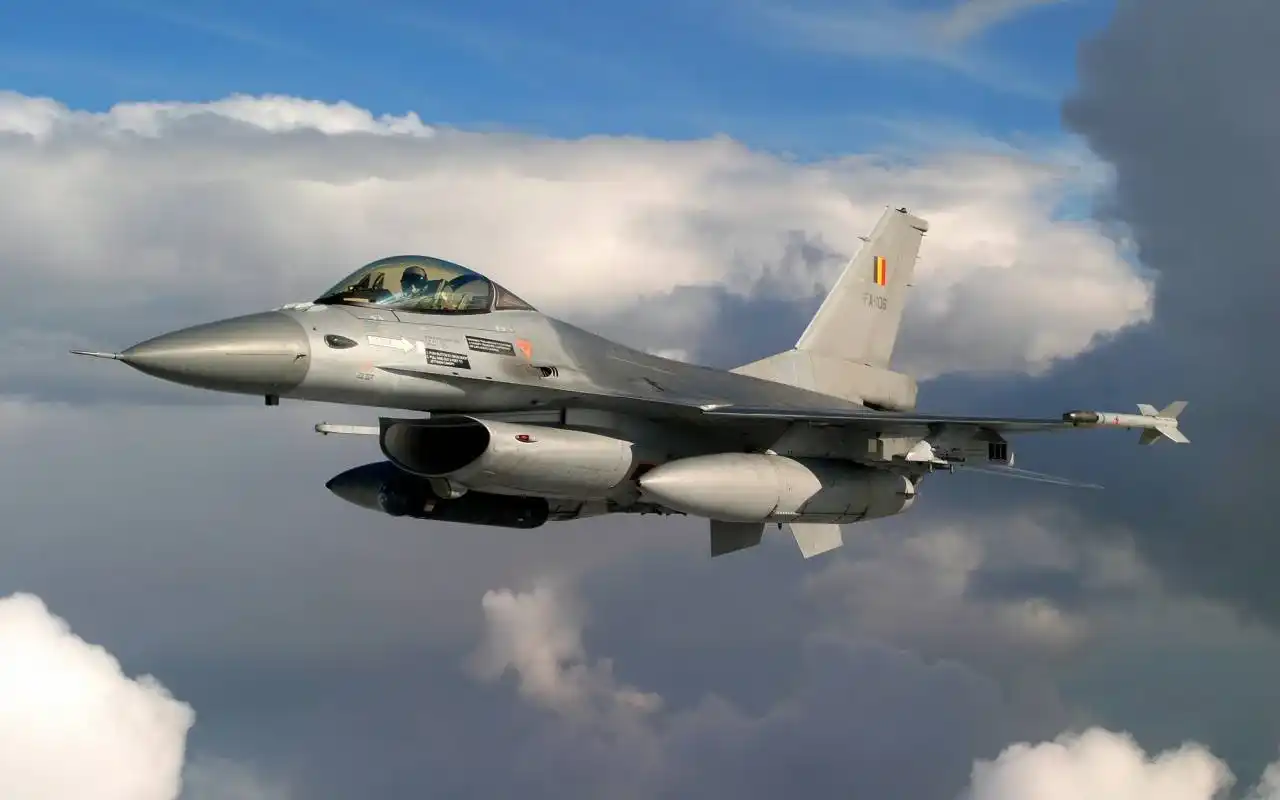
The F-16 Fighting Falcon stands as one of the most iconic and successful fighter jets in aviation history. Since its introduction in 1978, this versatile and reliable aircraft has proven itself in countless combat scenarios and continues to be a cornerstone of military aviation. Whether performing in precision air shows or engaging in real combat, the F-16’s agility, adaptability, and advanced technology have solidified its place as one of the most sought-after fighter jets in the world.
Introduction: The Rise of the F-16
The F-16 Fighting Falcon was born from the U.S. Air Force’s need for a lightweight, highly maneuverable, and affordable multirole fighter. Designed by General Dynamics (now Lockheed Martin), the F-16 first took to the skies in 1974. The aircraft was conceived during the lightweight fighter competition, where it defeated rivals like Northrop’s YF-17 and entered service in 1978.
Its remarkable success can be attributed to its agility, advanced avionics, and modular design. Today, the F-16 is not only the most widely used fighter jet globally but also the most produced Western fighter in history, with over 4,600 units built.
An Iconic Name: Fighting Falcon or Viper?
The F-16 is officially named the “Fighting Falcon”. However, the aircraft is affectionately known as the “Viper” by its pilots and crews. This nickname traces its roots back to the late 1970s when the popular Battlestar Galactica TV series featured a spacecraft named the Colonial Viper. The name caught on due to the F-16’s sleek, aggressive design and deadly performance, much like the snake it was named after.
Unrivaled Agility: The F-16’s Maneuverability
One of the most notable features of the F-16 is its exceptional agility. The aircraft’s design is optimized for maneuverability, with a small frame and a low wing load, allowing it to execute quick rolls, sharp turns, and high-speed maneuvers with ease. These capabilities make it a formidable competitor in dogfights, where agility and speed are paramount.
The bubble canopy of the F-16 also offers unmatched visibility for the pilot, enhancing situational awareness and improving the effectiveness of high-speed maneuvers. Combined with the aircraft’s fly-by-wire system and relaxed stability, the F-16 can handle extreme g-forces during tight turns and evasive actions, giving it a significant edge in combat situations.
Multirole Capability: A Fighter for All Missions
The F-16 was designed with multirole capabilities, meaning it can execute a wide variety of missions beyond traditional air superiority. Over its lifetime, the F-16 has proven itself adept at air-to-air combat, air-to-ground attacks, reconnaissance missions, and even electronic warfare. This versatility has made it the go-to aircraft for air forces around the globe.
The aircraft’s adaptability is also evident in its modular design, which allows it to be easily customized to meet the unique needs of different countries. From upgraded avionics to advanced weapon systems, the F-16 can be modified for virtually any combat or reconnaissance mission. This flexibility, combined with its affordable price tag and low operating costs, has ensured its continued success across a multitude of air forces worldwide.
Advanced Avionics: The Brain Behind the F-16
The F-16 is equipped with a sophisticated array of avionics, making it one of the most technologically advanced fighter jets of its time. The heart of its avionics suite is the AN/APG-66 radar system, which allows pilots to detect and track air and ground targets with precision. This radar system is coupled with a Head-Up Display (HUD), which provides critical flight information to the pilot without forcing them to take their eyes off the target.
Additionally, the helmet-mounted sight (HMS) gives pilots the ability to target enemies simply by looking at them, enhancing both the pilot’s situational awareness and combat effectiveness. These advanced technologies ensure that the F-16 remains competitive, even in the face of newer, more advanced fighter jets.
Combat Proven: The F-16’s Impressive Record
Since its entry into service, the F-16 has seen extensive action in numerous conflicts across the globe. From the Gulf War to the Kosovo War and the War in Afghanistan, the F-16 has proven itself as a highly effective combat aircraft. It has achieved over 70 air-to-air victories and has destroyed countless ground targets during its combat missions.
The F-16’s impressive combat record can be attributed to its combination of advanced avionics, a powerful engine, and exceptional maneuverability. The aircraft’s agility allows it to outmaneuver enemy aircraft in air-to-air engagements, while its versatility enables it to perform precision strikes against ground targets. Its success in various combat theaters has cemented its reputation as a top-tier multirole fighter.
The Viper in the Sky: The USAF Thunderbirds
Since 1983, the U.S. Air Force Thunderbirds have used the F-16 as their official demonstration team aircraft. The Thunderbirds are known for their high-performance aerobatic displays, and the F-16 is perfectly suited to the demands of such precise, high-speed maneuvers. The aircraft’s agility, speed, and aerodynamic capabilities make it an ideal choice for air shows, where precision and control are critical.
The F-16’s role with the Thunderbirds has only enhanced its reputation and visibility worldwide, as these performances showcase the full range of the aircraft’s capabilities in a visually spectacular fashion.
F-16 Variants: Customized to Perfection
The F-16 Fighting Falcon comes in a variety of variants, each tailored to meet the specific needs of different air forces. Among the most common variants are the F-16A and F-16B, which are the original single-seat and two-seat models, respectively. The F-16C is an upgraded version of the F-16A with enhanced avionics and a more powerful engine.
More recent variants, such as the F-16E, have been equipped with advanced avionics and multirole capabilities, making them ideal for both air-to-air and air-to-ground combat. Additionally, countries like Bahrain, Slovakia, and Taiwan have received modernized versions, further cementing the F-16’s long-term appeal.
Sustained Production: The F-16’s Longevity
Despite being over 40 years old, the F-16 remains in active production today. Lockheed Martin continues to manufacture new F-16s for countries that seek to bolster their air forces with the proven capabilities of the Fighting Falcon. The continued production of the F-16 is a testament to its enduring appeal, with modern upgrades ensuring the aircraft remains competitive even against more advanced fighters.
The modular design of the F-16 allows it to be easily updated, and the sheer number of aircraft in operation means that support and upgrades will continue for decades. This longevity, paired with the affordability of the F-16, has made it a favorite among air forces worldwide.
The Economics of the F-16: Affordable and Effective
One of the main advantages of the F-16 is its cost-effectiveness. Compared to newer, more advanced aircraft, the F-16 offers a relatively low purchase price and operating costs. This has made it an attractive option for many nations, particularly those with limited defense budgets.
Additionally, the modular design and widespread use of the F-16 mean that parts and upgrades are readily available, further reducing maintenance costs and ensuring that the aircraft remains operational for years to come.
Record-Breaking Achievements
The F-16 has set several aviation records over its long history. In 1974, a F-16 set a world speed record of 1,452 mph (approximately 2,338 km/h), while in 1975, another F-16 reached an impressive altitude of 61,696 feet (about 18,810 meters). These accomplishments further demonstrate the performance potential of this incredible fighter jet.
F-16 Today and Beyond: The Future of the Fighting Falcon
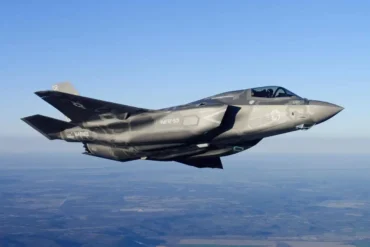
Despite the emergence of newer fighter jets, such as the F-35, the F-16 Fighting Falcon remains a crucial component of many air forces. Its combination of affordability, reliability, and customizability ensures that it will remain in service for many years to come. With upgrades like the Block 70 standard, which includes advanced AESA radars, the F-16 will continue to evolve to meet the needs of modern warfare.
The F-16 remains a true testament to the power of versatility and innovation in military aviation, with no signs of slowing down anytime soon.
Conclusion: The F-16’s Legacy
The F-16 Fighting Falcon has proven itself as one of the most successful and versatile fighter jets ever built. From its aerodynamic design to its advanced avionics and multirole capabilities, the F-16 has earned its place in aviation history. With over 4,600 units built and continued production, the F-16 will undoubtedly remain a key asset for air forces worldwide for many years to come.
Fun facts about the F-16, its impressive combat record, and continued success ensure that the F-16 Fighting Falcon will forever be a symbol of aviation excellence.