
In 2024, England’s tourism sector is tentatively on the upswing, yet it grapples with significant challenges in regaining its pre-pandemic momentum. According to the latest Annual Survey of Visits to Visitor Attractions released by VisitEngland, visitor admissions across the country rose by 1.4% compared to 2023. Despite this modest growth, total visits remain a staggering 27% lower than the figures recorded in 2019. The survey, which aggregates detailed data from 1,373 attractions nationwide, reveals a nuanced recovery landscape marked by cautious optimism.
The surge in international tourism has been a key driver behind this incremental growth. Overseas visits increased by 6% from the previous year, contrasting sharply with a 1% decline in domestic visits. This shift suggests a recalibration of tourism dynamics, where international travelers are beginning to rediscover England’s rich tapestry of cultural, historical, and recreational landmarks.

Andrew Stokes, Director of VisitEngland, emphasized the importance of supporting the tourism sector, which significantly contributes not only to local economies but also to community cohesion across England. He stated, “With growth to our visitor attractions slowing, it’s now more important than ever that we show our support for this important sector. The cost-of-living impacts continue to bite, making it imperative for us to champion these first-class attractions.”
Duncan Wilson, Chief Executive of Historic England, echoed this sentiment, underscoring the critical role of heritage in fostering community pride and economic vitality through both domestic and international tourism. He urged the public to explore new historical sites within their neighborhoods, advocating for ongoing support of local heritage initiatives.
Regional Performance: A Mixed Bag
The recovery of England’s visitor attractions has been anything but uniform, with London standing out as a frontrunner. The capital recorded a 5% rise in attraction visits, predominantly fueled by an influx of international tourists. However, even with this positive trend, total visitor numbers in London are still 18% below the levels of 2019. This discrepancy illustrates the broader struggles faced by the tourism industry in returning to its former glory.
In contrast, most regions outside London reported marginal increases in attraction attendance, indicating a general yet uneven recovery trend. Notably, three regions experienced slight declines in admissions, while one region showed stagnant growth, raising concerns about the equitable distribution of tourism recovery across the country.
Top Attractions Continue to Attract Crowds
Among the paid attractions, the Tower of London retained its status as England’s most visited site, drawing in 2.9 million visitors in 2024—a 4% increase from the previous year. Nevertheless, this figure remains 3% lower than its pre-pandemic attendance. Following closely, the Royal Botanic Gardens at Kew welcomed 2.3 million visitors, marking a robust 15% increase year-on-year, while Chester Zoo maintained a steady attendance of 1.9 million visitors, unchanged from 2023.
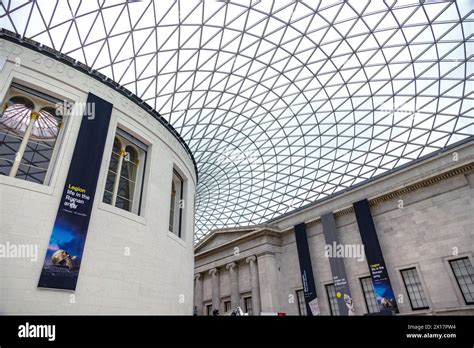
Conversely, free attractions reported even more impressive numbers. The British Museum emerged as the top free attraction with 6.5 million visitors, reflecting an 11% increase from 2023, and surpassing its 2019 attendance by 4%. The Natural History Museum followed with 5.9 million visitors, up by 4%, while Tate Modern experienced a slight decline, recording 4.6 million visitors, down 3% from the previous year.
Emerging Trends in Visitor Preferences
In examining attraction categories, farms have seen the highest growth in visitor numbers, with an 11% year-on-year increase. This trend reflects a growing public interest in outdoor, family-friendly experiences, particularly in rural settings. Following closely were visitor and heritage centers, which enjoyed a 6% rise, underscoring a sustained appetite for educational and cultural experiences. Additionally, places of worship also performed admirably, witnessing a 5% boost in visitor numbers, while historic houses and castles recorded a 3% increase, highlighting the enduring fascination with England’s architectural and historical heritage.
The Economic Impact of Tourism
Despite the ongoing challenges, tourism remains a linchpin of England’s economy. In 2024, domestic visitor spending contributed approximately £76 billion, reaffirming the sector’s position as one of the country’s largest and most valuable economic drivers. The latest findings from VisitEngland provide a snapshot of a tourism landscape in gradual recovery. While the journey back to pre-COVID levels remains a work in progress, particularly concerning domestic travel, the increasing influx of international visitors presents a hopeful sign for the industry’s future.
Attractions that successfully blend historical significance with contemporary appeal appear to be navigating the current environment more effectively. As England continues to refine its tourism offerings, focusing on resilience, sustainability, and global appeal, the sector is poised for further recovery. Strategic investments in regional attractions, enhanced marketing efforts targeting domestic audiences, and the continued easing of international travel restrictions could provide the necessary momentum to restore the industry to its former strength.
The Road Ahead for England’s Attractions
As we look toward the future, the path for England’s visitor attractions will require adaptability and innovation. The tourism sector must not only rebound but also evolve in response to changing consumer behaviors and economic realities. A concerted effort to promote lesser-known attractions alongside iconic landmarks could diversify the visitor experience and stimulate local economies across various regions.
Moreover, embracing digital transformation and enhancing online engagement will be crucial. By investing in technology that facilitates virtual tours, improved booking systems, and enhanced visitor experiences, attractions can attract a broader audience and encourage repeat visits.
In conclusion, while England’s top visitor attractions face an uphill battle to reclaim their pre-pandemic momentum, the surge in international tourism offers a glimmer of hope. With strategic planning, community support, and a commitment to preserving and promoting England’s rich heritage, the tourism sector can pave the way for a brighter future, enriching the lives of locals and visitors alike.