
New Zealand’s border control has entered a new phase of vigilance, as Immigration New Zealand (INZ) records an unprecedented spike in entry denials. Between June 1, 2022, and May 30, 2025, over 2,147 travelers were denied entry at airports nationwide, with Auckland Airport (AKL) at the epicenter of the crackdown. The figures reveal not only the post-pandemic resurgence in global travel but also the evolving complexity of immigration enforcement in one of the world’s most tightly managed border systems.
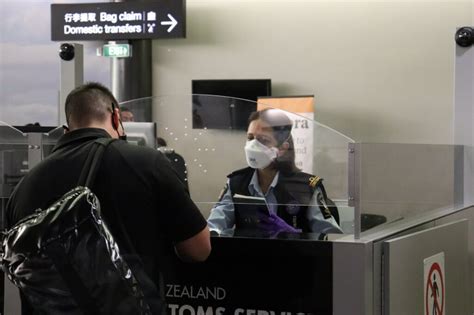
Border Rejections Surge with Travel Volume
The end of pandemic-era travel restrictions in late 2022 marked the beginning of a massive influx of international passengers. By mid-2023, INZ reported a staggering 300% increase in entry denials for “non-genuine” travel reasons compared to the previous year. Of the total rejections over the three-year period, 1,302 travelers were turned away due to suspicions of insincere travel purposes, which ranged from attempting to overstay visas to engaging in unauthorized employment.
Briar Pelling, INZ’s Border Operations Director at Auckland Airport, noted that as air traffic returned to pre-COVID levels, so did the risks associated with higher volumes of travelers. The intensified enforcement, she stated, reflects both increased scrutiny and a renewed commitment to preserving the integrity of New Zealand’s visa conditions.
The Anatomy of a Border Denial
Immigration denials are rarely arbitrary. Each decision follows a rigorous, case-by-case evaluation by INZ officers. Key red flags include a lack of sufficient documentation, an inability to demonstrate financial solvency, and inconsistencies in stated travel intentions. For instance, 237 travelers were denied due to character concerns, such as prior deportations or undisclosed criminal records.
In more extreme cases, INZ uncovered fraudulent travel documents—two individuals were found using fake passports. Another 23 were caught misusing New Zealand Electronic Travel Authority (NZeTA) transit-only visas, attempting to enter the country under false pretenses. The remaining 583 rejections stemmed from a variety of issues, including unclear itineraries and incomplete application information.
Understanding New Zealand’s Stringent Entry Criteria
New Zealand’s immigration framework is built on a multi-layered foundation of security, compliance, and transparency. All international visitors must:
- Hold a valid passport with appropriate remaining validity.
- Demonstrate good character through clean criminal records.
- Prove financial sufficiency, typically NZ$1,000 per month of stay or NZ$400/month if accommodation is prepaid.
- Show a clear and genuine reason for travel, such as tourism or visiting family.
- Present proof of onward travel, such as a return or exit ticket.
Additionally, visa holders are strictly prohibited from engaging in paid work unless their visa explicitly permits it. Any hint of intent to work “for gain or reward” while on a visitor visa can be grounds for denial. INZ officers are trained to detect inconsistencies and signs of potential abuse of visa conditions.
What Happens to Those Denied Entry?
Being denied entry into New Zealand is a sobering experience. At major airports like Auckland (AKL) and Christchurch (CHC), passengers have access to limited amenities, including showers, rest zones, internet, and embassy communication channels. However, at smaller regional ports—Queenstown (ZQN), Wellington (WLG), Dunedin (DUD), and Hamilton (HLZ)—such facilities are sparse or non-existent.
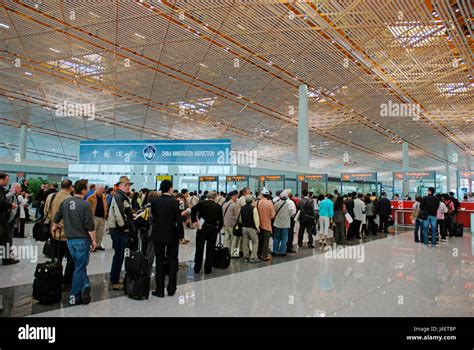
Where repatriation is not immediately feasible, some travelers may be temporarily detained in police custody or released under strict reporting obligations. The costs associated with repatriation depend on the traveler’s visa status:
- For travelers arriving without valid visas or using NZeTA, the airline must pay for the return flight.
- If a traveler holds a valid visa but is still rejected, INZ foots the bill.
Between June 2024 and May 2025, INZ spent nearly NZ$97,500 on repatriation efforts. The financial implications underscore the serious consequences of inadequate pre-departure checks.
Airlines in the Crosshairs: Fines and Failures
New Zealand’s immigration enforcement doesn’t stop with the traveler—it extends to the airlines that bring them. Under local regulations, airlines are held accountable for ensuring all passengers have the correct entry documentation before boarding. Two types of penalties are commonly enforced:
- NZ$1,000 fines for breaches of Advance Passenger Processing (APP) protocols, usually due to missing or inaccurate data.
- NZ$5,000 fines for more serious violations, such as boarding passengers with expired or invalid documents, or non-compliance with INZ instructions.
In the 2023/2024 fiscal year, a total of 145 immigration infringements were recorded. The most heavily penalized airline was Jetstar (JQ), with 24 fines totaling NZ$32,000. Other airlines also faced substantial penalties:
- LATAM Airlines (LA) – 21 fines
- United Airlines (UA) – 14 fines totaling NZ$66,000
- Air New Zealand (NZ) – 17 fines, NZ$29,000
- Air China (CA) – 11 fines, NZ$11,000
These fines not only dent airline finances but also strain relations between carriers and border authorities, prompting many to review internal procedures and invest in better pre-boarding vetting systems.

Root Causes: Risk, Recovery, and Regulation
The surge in rejections is not merely a matter of numbers—it reflects deeper structural challenges. New Zealand’s tourism-dependent economy is still recalibrating from the COVID-19 shutdown. As the borders reopened, so too did opportunities for both legitimate travel and potential visa abuse.
INZ officials point to a “rising immigration risk profile” as thousands of visitors return under new global travel patterns. Some travelers seek economic refuge, hoping to find work illegally, while others arrive with inadequate understanding of New Zealand’s strict visa rules. The combination of heightened global mobility, economic pressures, and shifting regional migration trends has created a perfect storm at the nation’s ports of entry.
Broader Implications for Global Travel
New Zealand’s heightened scrutiny is not occurring in a vacuum. Across the world, immigration authorities are re-evaluating entry protocols, especially as digital travel authorizations like NZeTA and ESTA become the norm. While these systems streamline access, they also create opportunities for misuse when coupled with lax verification practices.
The increased reliance on AI-assisted risk analysis and real-time data sharing between countries means travelers today are entering a more monitored, less forgiving environment. For New Zealand, the lesson is clear: border enforcement is no longer just about national security—it’s about managing global mobility responsibly.
Looking Ahead: Policy Refinements and Public Awareness
In response to these challenges, INZ is expected to bolster its pre-clearance systems and expand public education campaigns targeting potential travelers. By clarifying visa rules and emphasizing the consequences of non-compliance, the agency hopes to stem the tide of unqualified arrivals before they reach the boarding gate.
Airlines, too, are likely to implement stricter internal checks, from document verification software to enhanced staff training programs. Industry insiders suggest that failure to adapt could result in even harsher penalties or restricted landing rights for repeat offenders.
Ultimately, New Zealand’s stance represents a broader shift toward accountability in global aviation and immigration, sending a clear message to travelers and transporters alike: entry is a privilege, not a guarantee.