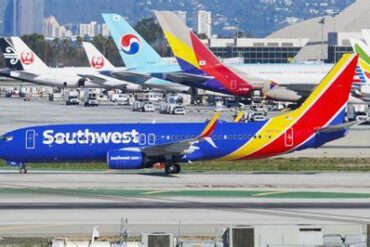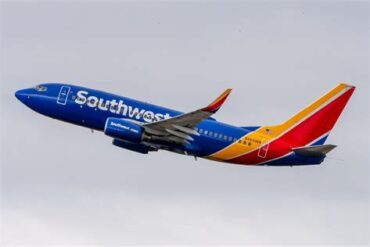
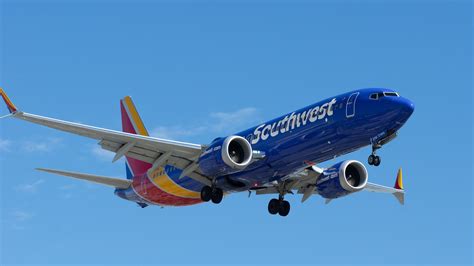
Southwest Airlines is making a bold return to international expansion by adding St. Thomas in the U.S. Virgin Islands to its growing list of Caribbean destinations. The move, announced on July 19, 2025, underscores the airline’s long-term post-pandemic strategy and highlights its intent to deepen its presence in leisure travel markets that continue to surge in demand.
The addition of St. Thomas will bring Southwest’s total Caribbean destinations to nine, reinforcing its commitment to expanding beyond its traditionally domestic footprint. While exact departure cities to Cyril E. King International Airport (STT) remain undisclosed, early signs point to major hubs like Baltimore/Washington International Thurgood Marshall Airport (BWI) and Florida-based locations—long-serving gateways for Southwest’s international routes.
Expanding Horizons: St. Thomas as a Strategic Addition
The inclusion of St. Thomas is more than just another pin on the route map; it is a well-timed strategic step that caters to increasing passenger interest in sun-and-sea vacations post-pandemic. This island destination, renowned for its turquoise waters, bustling markets, and a unique blend of Caribbean and American culture, is expected to drive strong load factors year-round. Southwest’s entry will introduce a low-cost carrier option in a market currently dominated by American Airlines, Delta, United, and Spirit, creating new price and access competition that benefits consumers.
Southwest’s Caribbean portfolio already includes Aruba (AUA), Bahamas (NAS), Cayman Islands (CGM), Cuba (HAV), Dominican Republic (PUJ), Jamaica (MBJ), Puerto Rico (SJU), and Turks and Caicos (PLS). With St. Thomas now entering this lineup, Southwest is sending a clear message: it’s ready to explore new leisure markets and reclaim the growth momentum that had stalled during the pandemic lockdown years.
Rewriting the Post-Pandemic Playbook
Southwest’s post-pandemic strategy reveals a fundamental shift. After years of reinforcing domestic routes and safeguarding operational reliability, the airline is now eyeing strategic international growth with a deliberate, regionally focused approach. The pivot to Caribbean markets aligns with surging leisure travel demand and the airline’s need to identify profitable short-to-medium-haul international routes that do not require massive infrastructure changes or aircraft upgrades.
During a recent industry conference, Southwest executives signaled that more international routes could be on the horizon—subject to regulatory approvals and fleet capability. Notably, the airline has filed for new rights under U.S. Open Skies agreements, allowing for potential network extensions in other regions without requiring bilateral negotiations.
A Calculated Step Before Global Ambitions
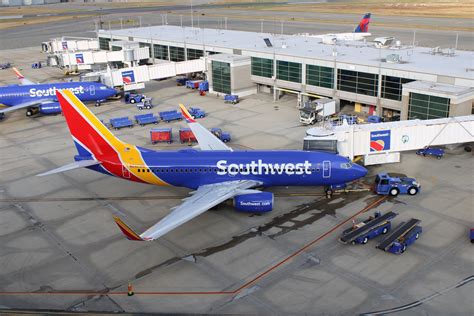
Although the St. Thomas route doesn’t need Open Skies authorization, it reflects a broader vision for controlled international scaling. The airline is laying infrastructure and regulatory groundwork now, even as its Boeing 737-based fleet limits long-haul operations to Europe or Asia. Industry analysts speculate that a broader fleet overhaul—or new aircraft acquisition—may be necessary for Southwest to fully realize its global aspirations.
Still, partnerships with Icelandair and China Airlines have raised eyebrows, indicating that the airline is planting seeds for future cooperative ventures or codeshares that could circumvent its fleet limitations. While a jump to Europe remains unlikely in the short term, Southwest’s methodical expansion within the Americas is setting the foundation for global connectivity, should those larger plans come to fruition.
Local Impact: St. Thomas Readies for Economic Uptick
The arrival of a major budget airline is expected to deliver a significant boost to the St. Thomas economy, particularly the tourism and service sectors. With the island’s dependence on tourism—accounting for nearly 60% of its GDP—Southwest’s lower fares and frequent flight model could attract a new wave of budget-conscious travelers, digital nomads, and adventure seekers.
Local hospitality stakeholders are already preparing for an uptick in visitation. From boutique hotels to water sport operators, the business community in St. Thomas is gearing up to capture the opportunities that increased airlift from the mainland U.S. will bring.
Operational Challenges and Strategic Balance
Despite the optimism, Southwest faces operational and brand identity challenges in its bid to go global. The airline is actively transforming its fare structure, replacing its long-held two-free-bags policy with tiered pricing and bundling models. These moves have sparked mixed reactions from frequent flyers and travel industry analysts alike. Critics argue that the airline is distancing itself from the simplicity and transparency that once defined it.
However, the company’s leadership argues that this evolution is necessary. Investors have demanded stronger profitability, and the airline is under pressure to compete not just on price, but also on experience and flexibility. To this end, Southwest will introduce assigned seating and premium seating options later this year—significant departures from its open-seating tradition.
These changes aim to position Southwest in the competitive middle ground, bridging budget-conscious flyers with those seeking upgraded experiences without fully transitioning into a legacy-style operator. Whether this hybrid model will satisfy both sides of its customer base remains to be seen, but the early reception of its expanded fare bundles and tiered offerings suggests cautious optimism.
The Broader Implications for U.S. Aviation
The U.S. aviation sector, still recovering from the pandemic’s lingering effects, is witnessing a shift. Airlines like Southwest are no longer content with defending domestic market share. Instead, they are actively seeking untapped international markets that align with changing travel patterns. Leisure routes, especially those to tropical and culturally rich destinations, are seeing exponential demand growth as remote work and lifestyle travel become the new norm.
In this context, Southwest’s expansion into the U.S. Virgin Islands is a strategically timed entry into a corridor that offers high ROI without high complexity. Because U.S. citizens do not require passports to travel to the U.S. Virgin Islands, the barrier to entry is low, further increasing its appeal as a quick, accessible tropical getaway.
The Road Ahead: Next Stops in the Caribbean or Beyond?
Looking beyond St. Thomas, the question arises—what’s next for Southwest? The Caribbean remains fertile ground for expansion, with potential entries into markets like Barbados, St. Lucia, or Grenada. However, any new move will require careful coordination with airport infrastructure, slot availability, and government tourism boards.
If fleet limitations persist, Southwest may also consider closer Latin American markets such as Costa Rica, Panama, or even northern Colombia, destinations that offer similar beach-and-culture blends but with year-round travel demand and growing expat populations. These countries also boast aviation partnerships and Open Skies agreements that simplify market entry.
At home, the airline must maintain operational excellence to manage expanded international operations without sacrificing its famously reliable turnaround times and customer service benchmarks. That balancing act will define the next chapter of Southwest’s evolution.
Conclusion: Caribbean Growth Anchors Global Ambitions
Southwest Airlines’ decision to add nonstop flights to St. Thomas, U.S. Virgin Islands, marks a major milestone in its post-pandemic comeback. It’s not just a new route—it’s a signal of intent and ambition. While larger long-haul dreams may still be constrained by fleet capabilities, the airline is clearly positioning itself to be a key player in the international leisure travel space.
As consumer preferences continue to shift toward accessible, affordable, and experience-driven travel, Southwest is betting big on its ability to meet those needs without losing its roots. The months ahead will reveal whether the strategy pays off, but one thing is clear: the skies over the Caribbean just got a little more crowded—and a lot more competitive.