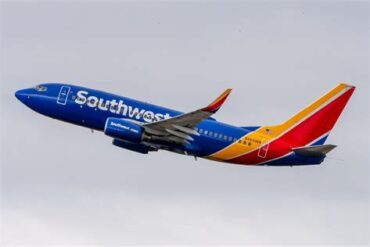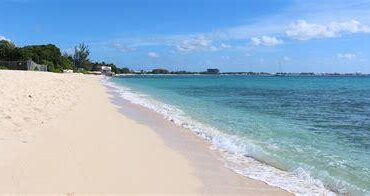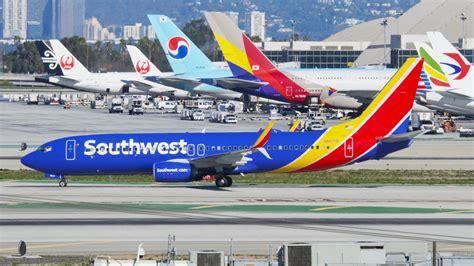
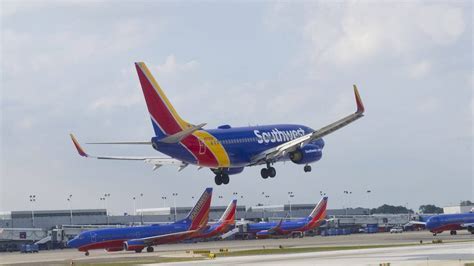
Southwest Airlines is preparing to reshape the Caribbean travel landscape with a major strategic expansion in 2026, introducing St. Thomas in the U.S. Virgin Islands as its newest island destination. The addition cements the carrier’s ambitions to solidify its presence across the Caribbean basin, weaving new threads of connectivity between North America and some of the region’s most coveted tropical locales.
This pivotal move comes as part of a broader, transformative phase for Southwest Airlines—one that promises not only expanded routes but also enhanced customer experience, upgraded onboard services, and significant fleet upgrades. With St. Thomas poised to become the airline’s ninth island hub in the Atlantic Basin, travelers will gain unprecedented access to a vast network linking beloved destinations including Aruba, Bahamas, Cayman Islands, Cuba, Dominican Republic, Jamaica, Puerto Rico, Turks and Caicos, Belize, Costa Rica, and Mexico.
St. Thomas: A Jewel in the Caribbean Crown
The inclusion of St. Thomas marks more than a mere addition to a flight map. This gem of the U.S. Virgin Islands is renowned for its crystal-clear turquoise waters, verdant hills, and a rich cultural blend that fuses Afro-Caribbean, Danish, and American influences. Until now, access to the island relied heavily on limited carrier options. Southwest’s entry signifies a watershed moment for the territory, offering a low-cost, high-value travel alternative that aligns with rising tourist interest.
Travelers can now anticipate easier, more affordable journeys to a destination that boasts world-famous Magens Bay, bustling Charlotte Amalie, and a wide array of historical sites tracing back centuries. This increased accessibility is expected to not only boost tourism but also strengthen local economies across the Virgin Islands.
A Unified Network from the Tropics to the Mainland
The new 2026 service plan does more than just link St. Thomas to major U.S. cities. It smartly interconnects it with a growing constellation of Caribbean hot spots. These include:
- Aruba: Known for its arid landscapes and stunning Eagle Beach
- The Bahamas: A cluster of over 700 islands with unmatched marine beauty
- Cuba: Culturally rich and steeped in revolutionary history
- Dominican Republic: Offering all-inclusive luxury and historic Santo Domingo
- Jamaica: Iconic reggae roots and natural marvels like Dunn’s River Falls
- Puerto Rico: An easy U.S. entry with Old San Juan and El Yunque rainforest
- Turks and Caicos: Pristine, uncrowded beaches and coral reefs
- Cayman Islands: A haven for divers and upscale travelers
- Belize: Known for its barrier reef and Mayan ruins
- Costa Rica: Eco-adventures from volcanoes to rainforests
- Mexico: Quintessential blend of beach resort luxury and ancient heritage
Meeting Demand With Strategic Precision
The decision to incorporate St. Thomas is not arbitrary—it is a response to consistent consumer demand for expanded access to tropical getaways. In an era where leisure travel has rebounded with remarkable vigor post-pandemic, Southwest’s agile response positions it at the forefront of airline innovation in the region. This announcement is not only a nod to customer feedback, but a direct indication that the Caribbean remains one of the fastest-growing international markets.
Data from the Caribbean Tourism Organization suggests that U.S. travelers accounted for over 60% of total tourist arrivals in several Caribbean nations in 2024. Southwest’s expansion into St. Thomas is expected to help alleviate congestion on existing routes, give rise to new travel pairings, and broaden the diversity of origin cities.
Reimagining the Southwest Experience
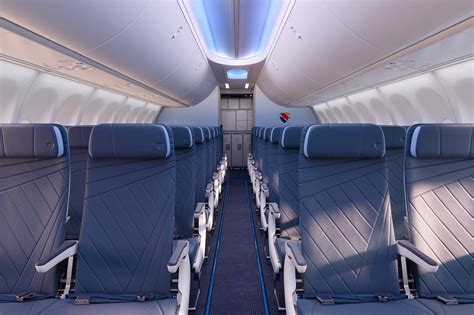
What distinguishes this expansion is the simultaneous evolution of Southwest Airlines’ onboard service model. Traditionally a no-frills operator, the airline is set to introduce a suite of changes aimed at elevating passenger comfort and enhancing the premium travel experience. By late 2025 and into 2026, customers can expect:
- Assigned Seating: A significant departure from the airline’s free-for-all boarding
- Premium Seating Options: More legroom, dedicated cabin sections
- New Fare Bundles: Flexible choices catering to varying traveler priorities
- Reconfigured Aircraft Cabins: Incorporating ergonomics and efficiency
These improvements coincide with the Caribbean expansion and reflect the airline’s desire to keep pace with legacy carriers while staying true to its affordability mission.
Strengthening Regional Ties and Tourism
St. Thomas stands to benefit immensely from this development. Greater airlift capacity not only supports tourism but also enhances connectivity for regional events, academic exchanges, and business conferences. It also makes multi-destination Caribbean vacations more feasible, allowing travelers to hop from St. Thomas to destinations like Jamaica or Aruba with ease.
For regional tourism boards, Southwest’s footprint is a boon for marketing synergy. Coordinated efforts between island governments and the airline could pave the way for joint promotional campaigns, cross-regional travel itineraries, and off-season travel deals that bolster occupancy year-round.
A Transformative Growth Blueprint
Southwest’s new service isn’t just about growth for the sake of expansion—it’s part of a long-term strategy that includes pushing deeper into international territories. In fact, the airline has already applied to the U.S. Department of Transportation for additional route authorizations, indicating that this is only the beginning of an aggressive international phase.
The Caribbean plays a central role in this strategy for two reasons:
- Proximity: Most destinations are within four hours of key U.S. metro hubs
- Demand Elasticity: Even in economic downturns, Caribbean destinations retain travel interest due to lower costs and shorter durations
This is a calculated, data-driven maneuver, one that demonstrates Southwest’s understanding of seasonality, yield management, and destination appeal.

The Passenger Impact: More Than Just a Flight
From the passenger perspective, the St. Thomas launch will introduce new levels of convenience, affordability, and destination diversity. With connections from secondary cities like Baltimore, Chicago Midway, Houston Hobby, and Dallas Love Field, travelers from the heartland will now have streamlined access to Caribbean treasures once restricted to coastal hubs.
Additionally, families, solo travelers, and business professionals alike will find greater schedule flexibility, more competitive pricing, and enhanced customer support—a trifecta rarely offered together.
And with Southwest’s policy of no change fees, two free checked bags, and free in-flight entertainment, the value proposition becomes even more compelling, particularly for budget-conscious travelers.
The Bigger Picture: Elevating Caribbean Accessibility
This move may ripple far beyond St. Thomas. It sets a precedent that could inspire other U.S.-based carriers to reevaluate their Caribbean strategies, especially in underserved or overlooked markets. Airlines are increasingly under pressure to offer unique experiences, not just destinations, and a holistic approach to network development like Southwest’s might become a benchmark model.

Final Boarding Call: A New Era for Caribbean Travel
As 2026 approaches, Southwest Airlines is not merely launching a new route—it is unveiling a paradigm shift in how Americans connect with the Caribbean. The addition of St. Thomas bridges a critical gap in regional air service, enhances the airline’s competitive edge, and aligns with evolving travel trends that favor flexibility, culture, and climate-friendly escapes.
Travelers, tourism boards, and regional governments alike will be watching closely as this bold new chapter unfolds. And if early indicators are correct, this won’t be Southwest’s final destination in its quest to dominate the Caribbean skies.