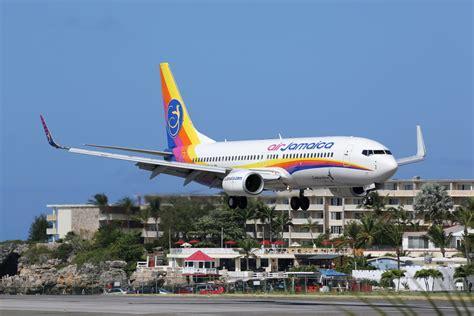
Fly Jamaica Airways once symbolized the ambition of Caribbean aviation, a dream born from the desire to offer direct, culturally attuned service between Jamaica, Guyana, and North America. Although its journey was short-lived, the airline’s story is woven deeply into the regional history of civil aviation, marked by hopeful beginnings, operational hurdles, and a tragic conclusion that prematurely ended its promise.
Foundation and Vision: Building a Bridge Across Borders
Fly Jamaica Airways was founded in September 2011 by a group of aviation veterans and entrepreneurs. At the helm was Paul Ronald Reece, a Guyanese pilot and businessman also known for owning Wings Aviation Ltd, an operator of smaller aircraft in Guyana. Alongside Reece, the founding team included Captain Lloyd Tai and shareholders such as Mrs. Roxanne Reece, Mrs. Christine Steele, and Mrs. Shaun Lawson-Laing, forming a cross-national leadership team blending Jamaican and Guyanese expertise.
The airline’s mission was reflected in its slogan: “One Team, One Dream.” It was more than a tagline — it encapsulated the goal of uniting Caribbean people through convenient and customer-centric air travel. The founders envisioned a company that could rival larger carriers in service while rooting itself in the identity of the Caribbean.

Operational Launch: Connecting the Caribbean to North America
After earning certification from the Jamaica Civil Aviation Authority (JCAA) in September 2012 and receiving clearance from U.S. authorities in December of the same year, Fly Jamaica Airways commenced operations on 14 February 2013. The choice of date was symbolic — Valentine’s Day — perhaps to emphasize the affection and cultural bonds the airline sought to nurture between its destinations.
The airline began its inaugural route between Kingston’s Norman Manley International Airport and New York’s John F. Kennedy International Airport, serving a critical pathway for Jamaican and Guyanese diasporas. From there, Fly Jamaica expanded cautiously, adding Toronto Pearson International Airport, Cheddi Jagan International Airport in Georgetown (Guyana), and even Havana, Cuba, by 2017. These routes were carefully selected to link strong diasporic populations with their homelands.
Fleet and Capacity: A Lean but Focused Operation
Fly Jamaica operated with a very modest fleet, including a single Boeing 767-300ER, configured to carry 246 passengers — 12 in business and 234 in economy. Previously, the airline also used a Boeing 757-200, which was later written off after a tragic incident in 2018. Despite its limited fleet, the airline earned loyalty from customers for its warm service and direct routes.
Operating on a small scale allowed Fly Jamaica to provide personalized attention, but it also posed severe limitations. With such a narrow operational margin, any disruption — mechanical, financial, or regulatory — had outsized impacts.
Challenges and Crises: A Struggle to Sustain
The operational challenges facing Fly Jamaica Airways were immense. The limited fleet meant that even minor maintenance issues could delay or cancel flights. Moreover, fuel costs, competition from major carriers, and regulatory demands in multiple jurisdictions imposed significant pressures.
However, the most devastating blow came on 9 November 2018, when Fly Jamaica Flight 256, a Boeing 757, was forced to return to Cheddi Jagan International Airport just 45 minutes after takeoff en route to Toronto. During its emergency landing at around 1:30 a.m., the aircraft overran the runway, resulting in a crash landing. Although immediate fatalities were avoided, the plane was severely damaged, and multiple injuries were reported.

One elderly passenger later succumbed to injuries sustained during a fall at home after the incident, further compounding the emotional and legal implications. This tragedy marked a turning point for the airline, which lost not only one of its aircraft but also public confidence and, crucially, financial solvency.
Collapse of an Airline: Redundancies and Grounding
With the crash reducing its already meager fleet, Fly Jamaica struggled to maintain any semblance of normal operations. Despite seeking funding and evaluating possible recovery strategies, the company was forced to suspend operations entirely on 31 March 2019. At this point, all staff were made redundant, marking a solemn end to a once-promising aviation venture.
The airline’s website quietly went dormant. Flights ceased. Phone lines disconnected. And with no aircraft and no investors willing to revive operations, Fly Jamaica Airways became yet another name on the growing list of defunct Caribbean airlines.
Fly Jamaica’s Legacy in Caribbean Aviation
Though its operational span was short, Fly Jamaica’s legacy persists in several key ways:
- Diaspora Connection: The airline’s focus on high-demand routes between Jamaica, Guyana, and North America helped thousands of Caribbean nationals reconnect with family, culture, and homeland.
- Regional Integration: Fly Jamaica symbolized a step toward regional aviation self-sufficiency, countering the heavy dominance of North American or European carriers in Caribbean airspace.
- Lessons in Risk: The challenges Fly Jamaica faced — from fleet management to capital underdevelopment — are now case studies for regional entrepreneurs seeking to enter the aviation sector.

Fly Jamaica Airways may have faltered, but it showcased the spirit of Caribbean entrepreneurship and the deep yearning for culturally authentic travel experiences. In doing so, it paved the way for future ventures that may draw inspiration from its triumphs while avoiding its pitfalls.
Conclusion: One Team, One Dream — A Promise That Echoes Still
Fly Jamaica Airways carried more than passengers. It carried hope, identity, and ambition. While its demise in 2019 marked the end of operations, its story remains a powerful reminder of what can be achieved — and what must be guarded against — in the volatile skies of regional aviation.
Its hub at Norman Manley International Airport in Kingston is now a quieter place without the green-and-yellow livery of Fly Jamaica taxiing toward the runway. Yet, the dream it embodied — of a Caribbean-owned, operated, and oriented airline — endures in the minds of those who flew with it and those who aspire to follow in its contrails.