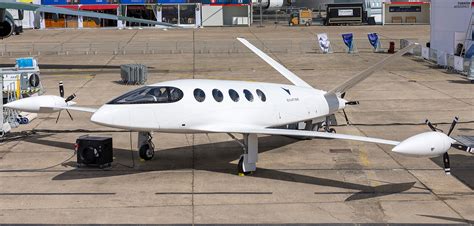
Eviation, an electric aviation startup that once promised to revolutionize the air travel industry, faced an unexpected collapse in early 2024. The company, known for its innovative electric airplane, Alice, had generated excitement in the aerospace world when it completed its first flight in 2022. But despite this achievement, the company’s path to success was obstructed by internal shareholder conflicts and governance issues that led to its downfall. In this article, we examine the rise and fall of Eviation, the controversies surrounding its management, and the prospects of green aviation moving forward.
Eviation’s Vision: A New Era for Aviation
Eviation was founded in 2015 by Israeli entrepreneurs Aviv Tzidon and Omer Bar-Yohay. The company’s mission was bold: to develop an electric airplane that could take off and land like a conventional aircraft, yet produce zero emissions, making it a vital component of the green aviation movement. The airplane they developed, Alice, was a nine-passenger electric aircraft that generated considerable attention from both the aviation community and potential customers.
In 2019, Eviation secured a major investor in the form of Clermont Group, a Singapore-based investment company led by billionaire Richard Chandler. Clermont took a 70% stake in the company, with Tzidon and Bar-Yohay retaining control over key decision-making processes through a veto right granted to them by the terms of the investment. This arrangement seemed promising at first, offering the company the necessary capital to bring its innovative vision to life.
However, it wasn’t long before the relationship between Eviation’s founders and Clermont began to deteriorate.
The Growing Tensions: A Divided House
By early 2024, the situation at Eviation had become untenable. In January of that year, Clermont’s representative sent a letter to the company’s shareholders that outlined deep rifts with Tzidon and Bar-Yohay. The letter expressed concerns about the management and governance structure at Eviation, specifically pointing out that the two co-founders had too much control over the company’s strategy. Clermont demanded that the Israeli founders relinquish their veto power and agree to a series of changes, including relocating the company’s parent entity from Israel to the U.S. and allowing the board to make decisions without interference.
Tzidon and Bar-Yohay refused to cede control. They argued that Clermont’s demands were unreasonable and driven by self-interest, particularly regarding the insistence on using motors from MagniX, a sister company within the Clermont Group. According to Tzidon, this decision was detrimental to Eviation, as the MagniX motors were heavier than alternatives and required significant redesigns to the Alice aircraft.
Clermont’s Ultimatum and Eviation’s Collapse
The standoff reached its breaking point when Clermont stopped funding the company. The letter made it clear that further investment would be contingent on the Israeli founders stepping down and ceding control. When Tzidon and Bar-Yohay refused, Clermont pulled the plug on the project, stopping monthly payments and effectively halting Eviation’s operations.
The company was forced to lay off most of its staff and suspend all activities indefinitely. The once-promising project now faced an uncertain future.
The Aftermath: Can Eviation Be Saved?
Despite the collapse, both Tzidon and Bar-Yohay were still optimistic about the potential of electric aviation. Tzidon, in particular, expressed his frustration with the management of the company by Clermont and the lack of progress since the first flight of Alice. The company’s technology, while groundbreaking, had failed to secure the necessary funding and partnerships to move forward. There were no new investors, and no significant progress had been made toward certification or full production of Alice.
The remaining hope for Eviation’s revival lay in finding new investors or partners. Eviation still had the design for Alice, a unique aircraft capable of using regular airports, and there were potential orders for the aircraft from small commuter airlines, such as New England-based Cape Air and flyVbird in Germany. These orders, if converted into actual deliveries, could have been worth billions of dollars. However, bringing the aircraft to market would require significant capital, which had become harder to secure as investor interest in green aviation cooled.
Governance Issues: A Key Barrier to Progress
One of the core issues that led to Eviation’s downfall was its internal governance structure. The conflict between Tzidon and Bar-Yohay on one side, and Clermont on the other, revolved around the control of decision-making. Eviation’s founders had retained veto power over major strategic decisions, a right they had negotiated when Clermont first invested in the company. This veto right became a significant point of contention when Clermont sought more direct control over the company’s operations.
According to Clermont, the lack of cooperation between the Israeli founders and the board had caused delays in key decisions, including selecting suppliers and approving management recommendations. Clermont’s representatives argued that this dysfunction had made the company unmanageable and uninvestable, thus putting the future of Eviation at risk.
Tzidon and Bar-Yohay, on the other hand, insisted that their veto rights were crucial for protecting the company’s original vision and that Clermont’s leadership was largely to blame for the company’s struggles. They argued that their refusal to give up control was in the best interest of the company and its long-term future.
Eviation’s Technological Achievements: A Bright Spot in a Dark Situation
Despite the corporate turmoil, Eviation’s technological achievements were undeniable. The company had successfully developed a working prototype of Alice, an electric airplane that could potentially revolutionize the aviation industry. The aircraft’s design was unique in that it could use regular airports, making it easier to integrate into the existing aviation infrastructure. This was a significant advantage over other electric aviation projects, such as vertical takeoff and landing (VTOL) air taxis, which faced more regulatory hurdles.
However, the road to certification for Alice was not without its challenges. The aircraft needed to meet existing aviation regulations, a process that would require significant investment in testing, design refinement, and certification. This process, which was originally slated to be completed by 2027, had become even more difficult following the collapse of the company’s operations.
The Future of Green Aviation: Will Eviation’s Failure Deter Progress?
Eviation’s collapse marks a setback for the electric aviation industry, but it does not signal the end of the movement. The investment in green aviation technologies, while cooling, is far from dead. Companies like MagniX, which is focused on developing electric motors and powertrains, continue to make strides in advancing the technologies necessary for electric aircraft.
The lessons learned from Eviation’s failure could be valuable for other companies in the sector. The challenges of managing a startup in a rapidly evolving industry, particularly one with such ambitious goals, are immense. Companies that can avoid the internal conflicts and governance issues that plagued Eviation will be better positioned for success in the future.
Conclusion: A Cautionary Tale for Electric Aviation
Eviation’s story is one of great promise, internal conflict, and ultimately, missed opportunity. The company’s ambitious vision for electric aviation caught the imagination of many, but internal struggles and governance issues prevented it from realizing its full potential. While the company’s future remains uncertain, the lessons from its rise and fall will undoubtedly shape the future of green aviation.
The electric aviation industry continues to evolve, and while the collapse of Eviation is a setback, the technology itself remains one of the most exciting developments in modern aerospace. Whether Eviation can be revived or whether other companies will rise to take its place remains to be seen, but one thing is clear: the dream of zero-emissions flight is far from over.