The Shifting Skies of Aviation
In the ever-volatile world of commercial aviation, countless airlines have soared into the skies only to vanish from runways across the globe. Defunct airlines—those that once operated scheduled or charter flights but have since ceased all operations—offer a unique lens through which to examine the fragility of the airline industry.
As of 2025, the aviation sector has witnessed the disappearance of hundreds of carriers due to a variety of internal and external pressures. These include economic downturns, rising fuel costs, deregulation, and mergers or acquisitions. Some failed swiftly, while others operated for decades before collapsing.
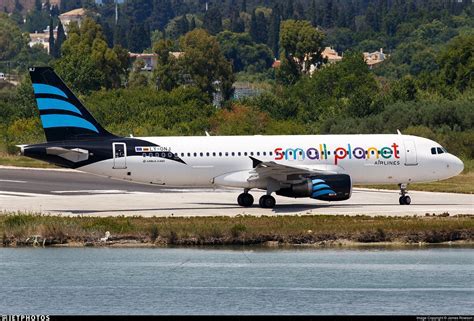
Economic Turbulence: The Leading Cause
The primary driver behind the closure of most airlines has historically been financial insolvency. Airlines operate on razor-thin profit margins, and even minor disruptions can spell disaster.
The COVID-19 pandemic from 2020 onwards drastically curtailed air travel demand, leading to the rapid downfall of regional carriers like Aha! and Flybe, both of which succumbed to the global travel freeze and restricted cash flows. Even larger operations such as South African Express and Avianca Peru found the economic weight unbearable.
Fuel prices also played a considerable role in the decline of carriers. Ultra Air and Viva Colombia, for example, ceased operations in 2023 after being squeezed by unsustainable operational costs driven by fuel volatility and unfavorable exchange rates.
Intense Competition and Market Saturation
In markets like Southeast Asia, Europe, and Latin America, oversaturation and aggressive price wars further accelerated airline failures. Lanmei Airlines, which ceased operations in 2024, is a textbook example of how regional low-cost carriers struggled to survive amidst competitors offering cutthroat pricing and better route networks.
Meanwhile, legacy airlines like Air Italy and Adria Airways found it difficult to compete with modern, agile competitors. Unable to adapt to the new age of digital booking platforms and dynamic pricing models, they gradually lost their market share before exiting the industry.

Regulatory Hurdles and Licensing Issues
Operational licenses are the foundation of any airline. However, non-compliance with safety standards, corruption scandals, or government audits have led to the grounding of several carriers. Airlines like Shaheen Air, Fly Jamaica Airways, and Saratov Airlines faced severe regulatory setbacks, culminating in revoked licenses or mandated suspensions.
In other cases, political instability or lack of institutional support became terminal. Zimbabwe Airways, Afriqiyah Airways, and Eswatini Airlink faced a convergence of regulatory, political, and financial issues that proved insurmountable.
Mergers, Acquisitions, and Brand Retirements
Not every airline becomes defunct because of failure—some disappear by design. Mergers and acquisitions often lead to the retirement of legacy brand names. When US Airways merged with American Airlines, it ceased to exist independently. SilkAir, a subsidiary of Singapore Airlines, was fully integrated and phased out to streamline operations.
The dissolution of brands like Thomas Cook Airlines, both in the UK and Scandinavia, also illustrates how strategic restructuring can lead to brand extinction even when assets or operations are retained under new banners.

The Fleet Factor: Maintenance and Ageing Aircraft
Aging fleets have been another decisive factor in airline closures. Airlines operating older, fuel-inefficient aircraft often face higher maintenance costs and regulatory penalties. Compass Airlines, XL Airways France, and Fly My Sky fell into this category—unable to justify high operational expenditures while competing against carriers with newer, more efficient fleets.
Access to spare parts, limitations on fleet standardization, and rising insurance premiums made long-term survival impossible for many.
Case Studies: Recent Airline Failures (2022–2024)
-
Air Malta (2024): Despite decades of operation, national funding issues and mounting competition led to its closure.
-
Go First (2023): Plagued by engine shortages and unresolved supply chain issues, this Indian low-cost carrier grounded operations permanently.
-
Elite Airways (2022): Based in the U.S., this regional airline ended operations silently, driven by shrinking demand and chronic underperformance.
Impact on the Global Airline Ecosystem
The closure of these airlines has ripple effects on regional economies, employment, airport revenues, and passenger connectivity. For remote areas, such as the Pacific Islands or Arctic regions, the loss of a small carrier can result in significant socio-economic disruption.
Moreover, airline closures open the door for newer players to fill the void, as seen with the emergence of startups targeting underserved routes once dominated by defunct carriers. However, they often face the same vulnerabilities, perpetuating the cycle.
Learning from Collapse: What Airlines Must Heed
To avoid becoming the next name on the ever-growing list of defunct airlines, carriers must:
-
Embrace digital transformation and automation.
-
Invest in fuel-efficient aircraft.
-
Prioritize regulatory compliance.
-
Maintain healthy cash reserves.
-
Forge alliances and code-share agreements to expand market presence.
Survival today depends on adaptability, cost-efficiency, and consumer trust.
Looking Ahead: Will the Trend Continue?
The airline industry will continue to evolve under the pressures of climate change, technology, and geopolitical dynamics. Carriers that fail to innovate or adapt will inevitably fall behind. The post-pandemic era has revealed that financial prudence, fleet modernization, and agile business models are no longer luxuries—they are imperatives.
As global air travel rebounds, we expect consolidation to continue. The strongest airlines will absorb weaker ones, and governments may be less inclined to bail out national carriers in distress.
Frequently Asked Questions
What is a defunct airline?
A defunct airline is one that has ceased all operations permanently. This may be due to financial difficulties, regulatory problems, mergers, or voluntary shutdowns. Unlike suspended operations, defunct status implies no return to service.
How can I check if an airline is still operating?
To verify an airline’s status, consult the IATA registry, ICAO database, or reputable travel platforms. Additionally, aviation news websites and airport listings frequently update active and inactive carriers.
What happens to the planes of defunct airlines?
Aircraft are usually repossessed by leasing companies, sold to other airlines, or scrapped for parts and metal. In some cases, entire fleets are stored in desert facilities awaiting resale or dismantling.