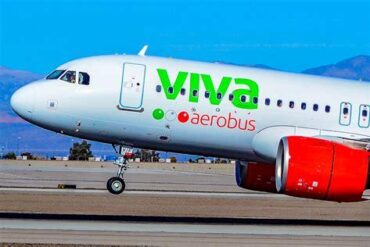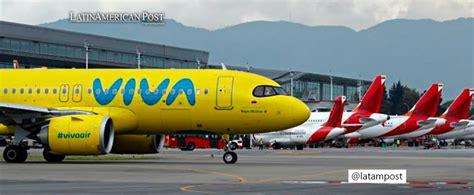
Fast Colombia S.A.S., widely recognized under its trading name Viva Air Colombia and formerly as VivaColombia, carved a significant niche in the Latin American aviation market as a Colombian ultra-low-cost airline. Headquartered in Rionegro, Antioquia, Colombia, it emerged as a formidable force, becoming a subsidiary of the renowned Irelandia Aviation and, by the time of its unfortunate bankruptcy in March 2023, stood as the third-largest airline in the nation. While it shared the distinctive “Viva” branding with Mexico’s Viva Aerobus—another low-cost carrier co-founded by Irelandia Aviation—the two entities were not legally affiliated, though they did foster a codeshare agreement to enhance their respective network connectivity. The airline’s journey, however, came to an abrupt halt when it filed for insolvency in February 2023, culminating in the suspension and eventual cessation of all operations on February 27, 2023. This drastic measure was attributed to a confluence of factors, primarily soaring fuel prices and the Colombian civil aviation authority, Aerocivil’s, protracted delay and ultimate failure to greenlight its proposed acquisition by the Colombian flag carrier, Avianca.
The Genesis of a Low-Cost Disruptor: Foundation and Early Ambitions
Viva Air Colombia was conceptualized and brought to life under the umbrella of Irelandia Aviation, a globally recognized low-cost airline developer spearheaded by Declan Ryan, who also served as the chairman of the Viva Air group and was one of the visionary founders of the European low-cost behemoth, Ryanair. The expertise within Irelandia Aviation was instrumental, having been deeply involved in the successful development and launch of five prominent low-cost airlines across the globe: Ryanair in Europe, Tiger Airways in Asia-Pacific, Allegiant Air in the United States, VivaAerobus in Mexico, and subsequently, Viva Air in Colombia and Peru. Irelandia Aviation initially held 100% of Viva Air’s shares, underscoring its commitment to the venture. The airline, initially branded as VivaColombia, was officially founded on September 16, 2009, with a clear mission to democratize air travel in Colombia by offering significantly lower fares than incumbent carriers. It commenced its commercial flight operations on May 25, 2012, heralding a new era of affordable air travel for Colombians. Its initial operational hubs were strategically established at El Dorado International Airport in Bogotá and José María Córdova International Airport serving Medellín, with Alfonso Bonilla Aragón International Airport in Cali also playing a crucial role.

The strategic vision extended beyond Colombian borders. On May 9, 2017, this ambition materialized with the launch of Viva Air Perú, a Peruvian subsidiary airline, marking a significant step in the group’s expansion process throughout Latin America. This move aimed to replicate the successful low-cost model in another key South American market. A pivotal moment in its branding and strategic positioning occurred in April 2018, when the company underwent a significant name change from VivaColombia to the more encompassing Viva Air Colombia. This rebranding was not merely cosmetic; it signaled a broader ambition to consolidate its presence and expand its operational model across the Latin American continent. As part of this expansive vision, Santa Marta, a popular coastal city in Colombia, was announced as the third operations center within the country. This new hub became operational in October 2018, a strategic move designed to serve routes that were previously underserved or not covered by other airlines, thereby opening up new travel possibilities. Key routes from Santa Marta included connections to San Andrés, Bucaramanga, and Pereira. To support this expansion, the Santa Marta operations center was initially assigned two aircraft, dedicated to servicing these new and developing routes, further solidifying Viva Air’s commitment to enhancing connectivity within Colombia and beyond.
Crafting a Niche: Operational Strategy and Fleet Modernization
At the heart of Viva Air Colombia’s business model was an unwavering commitment to the ultra-low-cost carrier (ULCC) principles. This strategy meticulously focused on minimizing operational costs to offer the lowest possible fares to passengers. Key tenets included high aircraft utilization, quick turnaround times, a no-frills service offering with ancillary revenues generated from optional services (such as checked baggage, seat selection, and onboard refreshments), and ticket sales primarily through direct online channels. This approach specifically targeted price-sensitive leisure travelers and a growing segment of business travelers looking for cost-effective travel solutions. Furthermore, Viva Air often ventured into underserved routes or secondary airports where competition was less intense, allowing it to stimulate new demand and build a loyal customer base.
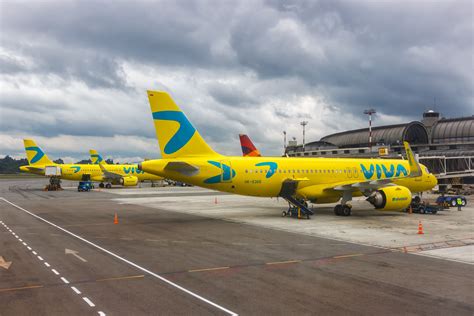
Integral to its low-cost strategy was its fleet composition. Viva Air Colombia strategically opted for a standardized fleet, primarily consisting of aircraft from the Airbus A320 family. This choice is common among low-cost carriers as it yields significant efficiencies in terms of maintenance, crew training, and spare parts inventory. The airline commenced operations with Airbus A320-200 aircraft and, over time, sought to modernize its fleet to enhance fuel efficiency and passenger comfort while maintaining cost advantages. This led to the introduction of the newer generation Airbus A320neo (New Engine Option) aircraft. The A320neo offers substantial fuel savings, reduced noise emissions, and lower operational costs compared to its predecessor, the A320ceo (Current Engine Option). By the time operations ceased, the Viva Air Colombia fleet comprised a mix of these Airbus models. Specifically, it had operated a total of 29 Airbus A320-200 aircraft since its inception in 2012, and had introduced 12 Airbus A320neo aircraft starting in 2020. This fleet of modern, fuel-efficient aircraft was a cornerstone of its ability to offer competitive fares and expand its network aggressively. The focus on a young fleet also contributed to a perception of reliability and modernity among its passengers.
Weaving a Network: Domestic Dominance and International Forays
Viva Air Colombia rapidly expanded its route network, becoming a ubiquitous presence in the Colombian domestic market. It connected major metropolitan areas, regional centers, and popular tourist destinations, fundamentally altering the landscape of air travel within the country. Key domestic routes radiated from its hubs in Bogotá (El Dorado International Airport – BOG), Medellín (José María Córdova International Airport – MDE), and Cali (Alfonso Bonilla Aragón International Airport – CLO). Other significant Colombian cities served included Cartagena (Rafael Núñez International Airport – CTG), which was designated as a focus city, Barranquilla (Ernesto Cortissoz International Airport – BAQ), Bucaramanga (Palonegro International Airport – BGA), Santa Marta (Simón Bolívar International Airport – SMR), Pereira (Matecaña International Airport – PEI), Cúcuta (Camilo Daza International Airport – CUC), San Andrés Island (Gustavo Rojas Pinilla International Airport – ADZ), and Leticia (Alfredo Vásquez Cobo International Airport – LET), among others. The airline also served smaller cities like Apartadó, Armenia, Montería, Neiva, Pasto, Riohacha, Valledupar, and Villavicencio, demonstrating its commitment to broad national coverage.
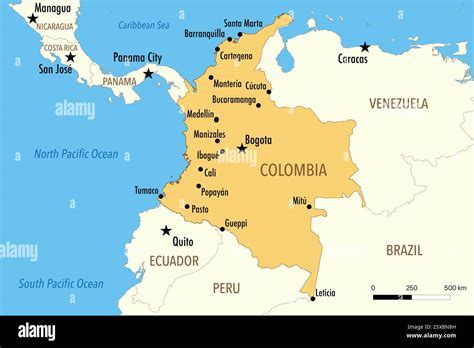
Beyond its robust domestic operations, Viva Air Colombia embarked on a strategic international expansion, aiming to connect Colombia with key destinations across the Americas. Its international footprint included services to Lima, Peru (Jorge Chávez International Airport – LIM), a vital connection facilitated by its sister airline, Viva Air Perú. In Mexico, it served the popular tourist destination of Cancún (Cancún International Airport – CUN) and the bustling capital, Mexico City (Mexico City International Airport – MEX). The United States market was also a key target, with flights to Miami (Miami International Airport – MIA) and Orlando (Orlando International Airport – MCO), catering to both leisure and VFR (Visiting Friends and Relatives) traffic. Further south, Viva Air established a presence in Argentina with flights to Buenos Aires (Ministro Pistarini International Airport – EZE). The Caribbean was also part of its network, with services to Punta Cana in the Dominican Republic (Punta Cana International Airport – PUJ). While some international routes, such as those to São Paulo, Brazil (São Paulo/Guarulhos International Airport – GRU), Quito, Ecuador (Mariscal Sucre International Airport – UIO), and Panama City, Panama (Panamá Pacífico International Airport – BLB), were terminated over time due to varying market conditions or strategic realignments, the airline consistently sought opportunities to grow its international presence. To further enhance its reach and provide passengers with more travel options, Viva Air Colombia established interline agreements with select carriers, including Air Transat and its Mexican counterpart, VivaAerobús. These agreements allowed passengers to book connecting flights across the airlines’ networks on a single ticket, simplifying travel to a wider range of destinations.
The Ill-Fated Merger: Ambitions Meet Turbulence
The Colombian aviation market was poised for a significant consolidation when, on April 29, 2022, it was announced that Avianca, Colombia’s flag carrier and one of Latin America’s largest airlines, intended to acquire Viva Air Colombia. This proposed merger was presented as a strategic move to ensure the sustainability of both airlines, particularly Viva Air, which was facing increasing financial pressures in the post-pandemic environment characterized by volatile fuel prices and shifting demand patterns. For Avianca, the acquisition represented an opportunity to strengthen its market position, particularly in the low-cost segment, and to achieve operational synergies. For Viva Air, integration with a larger, more established carrier offered a potential lifeline and access to greater resources.
However, the path to integration was far from smooth. The Colombian civil aviation authority, Aerocivil, raised significant concerns regarding the potential impact of the merger on market competition. Aerocivil’s primary apprehension was that the combination of Avianca, already a dominant player, with Viva Air, the country’s third-largest airline and a key low-cost competitor, could lead to a substantial reduction in competition, potentially resulting in higher fares and fewer choices for consumers on numerous routes. Consequently, Aerocivil initially opposed the merger in November 2022, citing these anti-competitive concerns. This decision set the stage for a protracted period of negotiations and revised proposals, as both airlines sought to address the regulator’s objections. The situation grew increasingly complex as other airlines expressed interest in Viva Air. In February 2023, both JetSmart, an ultra-low-cost carrier with operations in Chile, Argentina, and Peru, and LATAM Colombia, another major player in the Colombian market, individually announced their intentions to acquire Viva Air, presenting potential alternatives to the Avianca deal. These expressions of interest added another layer of complexity to the already challenging regulatory process and highlighted the strategic value attributed to Viva Air’s market share and operational assets, even amidst its growing financial difficulties.

The Unraveling: Financial Distress and the Grounding of a Fleet
The mounting financial pressures on Viva Air Colombia became increasingly evident in early 2023. The airline, grappling with the lingering economic impacts of the COVID-19 pandemic, escalating fuel costs, and the uncertainty surrounding its proposed merger with Avianca, took the significant step of filing for a local form of bankruptcy protection in February 2023. This process, known in Colombia as Proceso de Recuperación Empresarial (PRE), is similar to Chapter 11 bankruptcy in the United States, allowing a company to restructure its debts and operations while continuing to function. However, the airline’s financial woes deepened rapidly. A critical blow came when aircraft lessors, citing unpaid leasing fees, forced Viva Air to ground five of its Airbus A320 aircraft. This reduction in its operational fleet severely hampered its ability to maintain its flight schedule and generate revenue, exacerbating its already precarious financial state.
The crisis reached a leadership inflection point on February 23, 2023, when Felix Antelo announced his decision to step down from his role as President and CEO of the Viva Air Group. In his departure statement, Antelo cited personal health reasons, noting that his health had “declined recently.” Crucially, he made an impassioned plea to Aerocivil, urging the regulatory body to “make a decision right now” regarding the Avianca-Viva merger. He warned that the airline was in grave danger of disappearing entirely if a resolution was not reached swiftly, underscoring the dire urgency of the situation. Following Antelo’s departure, Francisco Lalinde, who had been serving as the company’s Vice President of Operations, was appointed as interim President and CEO of Viva Air, tasked with navigating the airline through this tumultuous period.

Despite these efforts, the situation proved untenable. On the evening of February 27, 2023, in a move that sent shockwaves through the Colombian and regional aviation markets, Viva Air Colombia and its subsidiary, Viva Air Perú, abruptly suspended all flight operations indefinitely and grounded their entire fleet. The airline attributed this drastic decision directly to its severe financial crisis and, critically, to the prolonged delays by Aerocivil in authorizing the Avianca-Viva merger. In a statement, Viva Air lamented, “The (civil aviation authority’s) unprecedented decision will result in further delays in reaching a decision, for which Viva is forced to announce the suspension of its operations with immediate effect.” This sudden cessation left thousands of passengers stranded across its network, sparking chaos at airports and urgent calls for governmental intervention.
Aftershocks: Passenger Strife and Conditional Approvals
The abrupt suspension of Viva Air Colombia’s operations on February 27, 2023, triggered immediate and widespread disruption for tens of thousands of passengers. Travelers found themselves with worthless tickets, cancelled flights, and their travel plans thrown into disarray, often with little to no advance warning. Airports in Colombia, Peru, and other international destinations served by Viva Air witnessed scenes of confusion and frustration as stranded passengers sought information and assistance. The Colombian government and aviation authorities faced immense pressure to address the crisis. In response, other airlines operating in the region, including LATAM Airlines, Avianca, Satena, Ultra Air, and Wingo, stepped in to offer rescue fares or seats on existing flights to affected Viva Air ticket holders, subject to availability, in an effort to mitigate the impact on the traveling public. However, the scale of the disruption meant that many passengers still faced significant difficulties and financial losses.

Amidst this turmoil, the regulatory process concerning the Avianca-Viva Air merger continued, albeit under intense scrutiny. On March 21, 2023, Aerocivil announced its decision: it would approve the integration of Avianca and Viva Air, but only under a stringent set of conditions. These conditions were designed to preserve competition in the Colombian aviation market and protect consumer interests. Key requirements included: the obligation for the new combined entity to refund tickets or honor bookings for passengers affected by Viva Air’s suspension of operations prior to the halt; the return of a significant number of in-demand take-off and landing slots at Bogotá’s congested El Dorado International Airport that were previously held by Viva Air, particularly those on routes where the merged entity would have a dominant market share; a commitment to maintain Viva Air’s low-cost business model for consumers within Colombia, ensuring continued access to affordable fares; the reinstatement of flights on the Bogotá-Buenos Aires route, which Viva Air had operated; the imposition of a fare cap on routes where the merged airline would be the sole operator or hold an overwhelmingly dominant position; and, given that the new entity would command a majority of the market share in Colombia, a broader commitment to ensure that the market remained dynamic and competitive. These conditions placed a heavy burden on Avianca and set the stage for a complex evaluation of the merger’s feasibility under such terms.
The Final Curtain: Avianca’s Withdrawal and Viva Air’s Liquidation
The stringent conditions imposed by Aerocivil for the approval of the Avianca-Viva Air merger proved to be a significant hurdle. After a period of careful evaluation, Avianca announced on May 13, 2023, that it was withdrawing its bid to acquire Viva Air Colombia. Avianca stated that after thoroughly analyzing the “financial and technical implications” of proceeding with the merger under Aerocivil’s stipulated conditions, it had concluded that the integration was not viable. The airline expressed concerns that the strict requirements would negatively impact its own financial stability and operational flexibility, effectively rendering the benefits of the acquisition moot. Avianca highlighted that the conditions imposed by Aerocivil, particularly regarding slot divestitures at El Dorado Airport and the potential financial burden of honoring all of Viva Air’s liabilities, made the deal economically unfeasible. This decision effectively sealed Viva Air’s fate, as the merger had been widely seen as its last realistic chance for survival.

With the Avianca deal off the table and no other viable suitors emerging under the prevailing circumstances, the path towards liquidation became inevitable. On June 22, 2023, the Superintendency of Corporations of Colombia (Superintendencia de Sociedades), the governmental body overseeing corporate insolvency and restructuring processes, officially announced that Viva Air Colombia had commenced its judicial liquidation process. This marked the formal end of the airline, signaling that its assets would be sold off to pay creditors and that there was no prospect of the airline resuming operations. The liquidation process aimed to manage the orderly dissolution of the company, address outstanding debts to employees, suppliers, lessors, and passengers where possible, and formally close a significant chapter in Colombian aviation history. The collapse of Viva Air was a stark reminder of the volatile nature of the airline industry, particularly for low-cost carriers operating in challenging economic environments and complex regulatory landscapes.
A Note on Safety: The 2015 Incident
While Viva Air Colombia’s operational history was largely defined by its aggressive growth and low-cost model, it is important to acknowledge any significant safety incidents. On February 4, 2015, an Airbus A320-200 aircraft, registered as HK-5051, encountered an issue while operating a flight from Bogotá to Medellín. The flight had 182 people on board. Approximately 17 minutes after departing from El Dorado International Airport in Bogotá, one of the aircraft’s engines caught fire. The flight crew responded promptly, declaring an emergency and initiating a return to Bogotá. The aircraft made a safe emergency landing back at El Dorado International Airport. Upon landing, airport emergency services and firefighters were immediately on the scene and successfully brought the engine fire under control. Aerocivil, the Colombian civil aviation authority, investigated the incident and subsequently reported that the passengers “had not been subject to a serious situation,” indicating that the emergency was handled effectively and without injury to those on board. While any such incident is a cause for concern, the crew’s professional handling and the successful outcome ensured passenger safety. Overall, Viva Air, like other commercial airlines, operated under the stringent safety regulations set forth by national and international aviation bodies, and this isolated incident did not point to systemic safety deficiencies throughout its operational years.
The Enduring Legacy of a Market Disruptor
The story of Viva Air Colombia is a compelling case study of ambition, disruption, and the harsh realities of the airline industry. From its inception, Viva Air set out to revolutionize air travel in Colombia and, to a significant extent, succeeded in doing so. Its aggressive low-fare strategy made air travel accessible to a much broader segment of the Colombian population, many of whom had never flown before. This “Viva effect” stimulated significant demand, increased passenger traffic on numerous routes, and forced incumbent legacy carriers to re-evaluate their own pricing structures and service offerings, leading to a more competitive aviation market overall. The airline played a crucial role in boosting tourism and business travel within Colombia and to several international destinations.
However, its rapid expansion and aggressive pricing, while beneficial to consumers, also exposed it to the inherent vulnerabilities of the low-cost model, particularly in the face of external shocks such as the COVID-19 pandemic, soaring fuel prices, and currency fluctuations. The failed merger with Avianca, mired in regulatory delays and ultimately unpalatable conditions, proved to be the final blow. The collapse of Viva Air Colombia left a significant void in the market, particularly on routes where it was a major or sole low-cost provider. Passengers faced reduced choices and, in some cases, higher fares in the immediate aftermath. The airline’s demise also had a ripple effect on its employees, suppliers, and the broader Colombian economy. Yet, its legacy endures in the form of a more price-conscious traveling public and a heightened awareness among all airlines of the demand for affordable air travel. The lessons learned from Viva Air’s journey—its successes in market stimulation and its ultimate failure due to a confluence of financial pressures and regulatory challenges—will undoubtedly inform the strategies of existing and future airlines in Latin America and beyond, serving as a potent reminder of both the potential and the perils of the low-cost aviation sector.