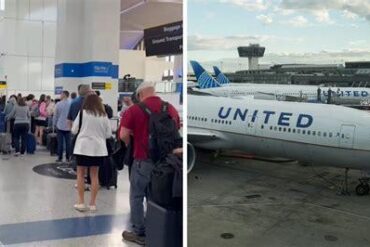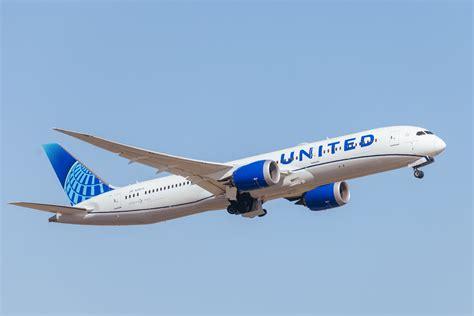
The post-pandemic world has forced a radical transformation in the commercial aviation industry, particularly for legacy carriers like Delta Air Lines, United Airlines, and American Airlines. Historically reliant on high-yielding business travelers, these airlines have had to recalibrate their entire commercial strategies in the wake of a dramatically altered global travel landscape. The COVID-19 pandemic served as a watershed moment, revealing structural vulnerabilities in traditional airline revenue models and compelling these carriers to pursue an entirely new demographic: the premium leisure traveler.
The Collapse of Business Travel and Its Aftermath
Prior to the pandemic, business travelers formed the backbone of revenue for legacy carriers. These travelers, although few in number, were responsible for a disproportionately large share of airline profits due to their willingness to pay premium fares for flexibility, convenience, and productivity features. Business-class seats, frequent flyer privileges, and airport lounges were tailored to this elite group.
However, the onset of the pandemic in early 2020 brought international and domestic business travel to a virtual standstill. As companies swiftly transitioned to remote work, the long-held necessity of in-person meetings began to erode. Zoom calls replaced coast-to-coast flights, and the once-certain demand for weekday flights to financial and tech hubs like Chicago, New York, and San Francisco evaporated.
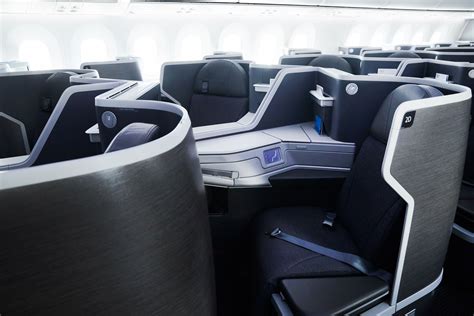
Moreover, mounting environmental pressures on corporate entities to reduce carbon emissions further diminished the appeal of frequent business flights. As companies embraced hybrid work models post-2020, it became evident that business travel demand would not return to pre-pandemic levels for the foreseeable future. This left legacy carriers with a high-cost operational model and an urgent need to pivot toward a more sustainable passenger segment.
The Premium Leisure Boom: A Post-Pandemic Windfall
By the summer of 2021, a new type of traveler began to emerge. The long, travel-starved months of lockdowns had cultivated a profound desire for mobility among the general population. Simultaneously, American households had amassed unprecedented savings, largely due to reduced discretionary spending during the pandemic. As travel restrictions eased, many leisure travelers sought premium travel experiences, often opting for business-class or premium economy seats.
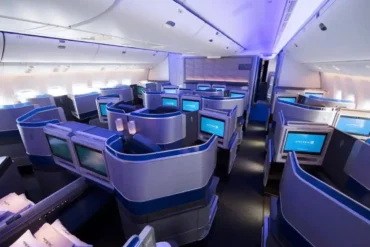
Airlines seized this opportunity. Recognizing the untapped potential of high-spending leisure customers, Delta, United, and American began tailoring their services and pricing models to attract them. Cabin configurations were adjusted, marketing language shifted, and onboard amenities were enhanced to entice travelers seeking comfort, luxury, and flexibility.
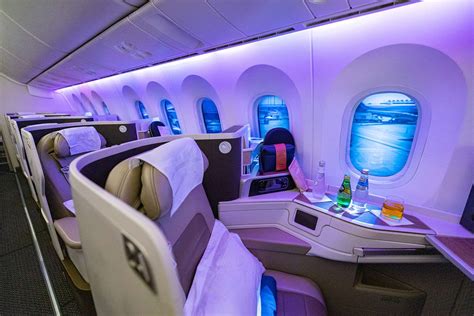
This was more than a short-term pivot. The surge in demand for premium leisure travel has proven durable, with airlines continuing to see robust sales in higher fare buckets throughout 2023 and 2024. By offering differentiated services at multiple price points, legacy carriers have created a new revenue stream that fills the void left by absent business flyers.
Remote Work and the Rise of “Soft Vacations”
One of the most significant societal changes driven by the pandemic was the widespread adoption of remote work. This shift blurred the boundaries between work and leisure, giving rise to the phenomenon of “soft vacations“—trips taken over long weekends where employees worked remotely on Fridays and Mondays to extend their time away.
Destinations such as Nashville, Las Vegas, and New Orleans became increasingly popular among younger professionals, particularly millennials and Gen Z travelers who leveraged their workplace flexibility. Recognizing this trend, legacy airlines strategically added frequencies and routes to these leisure-friendly cities, offering convenient departure times and appealing fare structures.

In doing so, airlines were not merely responding to passenger demand—they were redefining their route networks and marketing narratives. Instead of emphasizing punctuality and connectivity for corporate clients, airlines began highlighting experience-driven travel, cultural immersion, and premium comfort. The new model also had an additional benefit: greater resilience to seasonality, as leisure travel could be more evenly distributed throughout the year.
The Global Reach of the Strong Dollar
The post-pandemic economic landscape also played a significant role in this transition. The US dollar surged in strength relative to the euro, pound, and yen during 2021–2024, giving American travelers more purchasing power abroad. This catalyzed a significant uptick in transatlantic and transpacific leisure travel.
Legacy airlines were uniquely positioned to capitalize. Unlike low-cost competitors, they possessed the fleet capacity, regulatory approvals, and network infrastructure to rapidly expand long-haul services. New routes were launched to European capitals, Mediterranean resorts, and Asian cultural hubs, timed to coincide with peak vacation seasons.
This international push also allowed carriers to cross-sell their premium products to leisure travelers willing to splurge for memorable, long-awaited international adventures. While business-class cabins were once populated primarily by executives, they were now shared by honeymooners, retirees, and digital nomads.
Loyalty Programs: Turning Occasional Travelers Into Frequent Flyers
One of the most powerful tools in the arsenal of legacy airlines has been their loyalty programs, which underwent significant expansion and enhancement post-pandemic. Through partnerships with credit card companies and hotel chains, airlines created extensive value ecosystems designed to keep leisure travelers coming back.
Travelers once motivated solely by price now found themselves chasing elite status, redeeming points for upgrades, and accessing airport lounges through co-branded credit cards. This shift in consumer behavior dramatically reduced price sensitivity and bolstered brand loyalty.
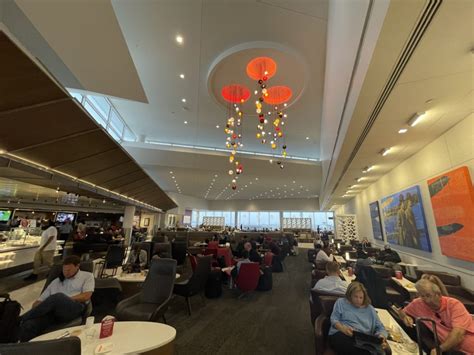
Crucially, younger travelers—particularly Gen Z and millennials—embraced these programs not just for perks but for the gamified experience of status building. As a result, legacy airlines gained a more stable and predictable leisure customer base, replacing some of the consistency once provided by business clientele.
Low-Cost Carrier Struggles: A Window of Opportunity
Another key enabler of this strategic pivot was the decline in competitiveness among low-cost carriers (LCCs). Operational meltdowns, such as Southwest’s 2022 holiday scheduling disaster, significantly damaged the reputation of budget airlines. Furthermore, mergers and bankruptcies—most notably JetBlue’s troubled acquisition of Spirit Airlines—cast doubt on the viability of the LCC model.
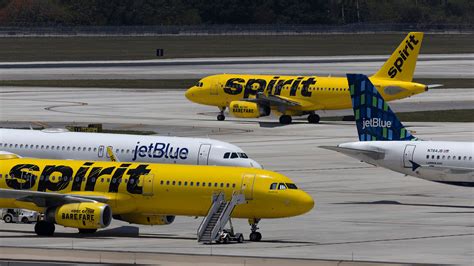
Legacy carriers responded by introducing “basic economy” fares, offering stripped-down service at prices comparable to LCCs. While these fares lack flexibility, they served as a powerful entry point for price-sensitive leisure travelers. Simultaneously, the full-service airlines could upsell these passengers into more lucrative fare categories.
By occupying both ends of the pricing spectrum—economy and premium cabins—legacy airlines effectively captured a broader market share and created tiered products to match the diverse preferences of the post-pandemic leisure traveler.
Conclusion: A New Business Model for a New Era
The COVID-19 pandemic catalyzed a seismic shift in commercial aviation, exposing the fragility of legacy revenue models based on business travel. In response, legacy carriers like Delta, United, and American have successfully reoriented their operations to attract and retain premium leisure travelers. Through strategic route expansions, loyalty programs, cabin upgrades, and smart pricing structures, they have created a new foundation for growth and profitability.
This transformation not only mitigates the loss of business travelers but also positions these airlines to thrive in a world where experiential travel, workplace flexibility, and personal enrichment are defining trends. The future of aviation may still be turbulent, but the course correction taken by legacy carriers has given them a powerful tailwind.