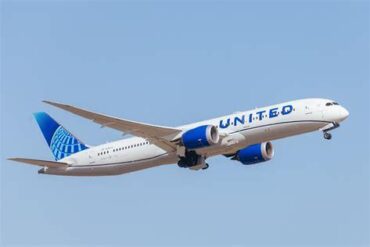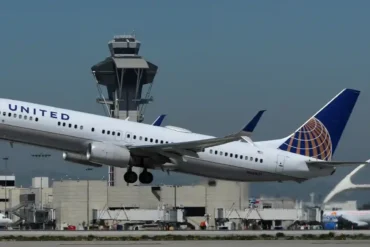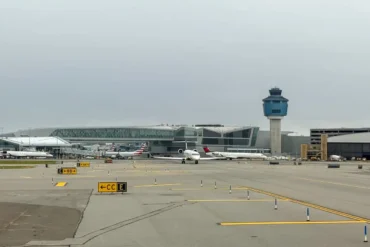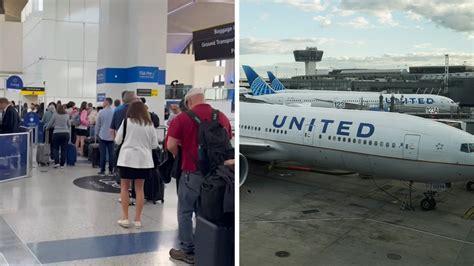
United Airlines is navigating a critical inflection point. The airline, among the largest in the United States, has seen a dramatic surge in travel demand through the summer of 2025. Yet even as planes fill and bookings rise, United faces a formidable operational bottleneck: Newark Liberty International Airport. This hub, located in one of the busiest airspaces in the world, has become a chokepoint threatening to undermine the airline’s performance just as the skies have begun to clear.
Newark Constraints Undercut Momentum Despite Soaring Demand
The uptick in demand couldn’t have come at a better time. With geopolitical tensions easing and macroeconomic stability returning, consumer confidence in air travel has strengthened. United reported a 6-point increase in travel demand quarter-over-quarter, driven largely by a rebound in business travel, which has risen by double digits. Travelers are clearly returning to the skies, both for corporate engagements and long-delayed leisure trips.
However, Newark Airport’s chronic congestion, combined with limited airspace capacity, is forcing United to cap growth in one of its most strategic markets. While the airline enjoys high load factors, the inability to scale flights through Newark means lost revenue opportunities and rising costs due to delays and rerouted schedules. CEO Scott Kirby has acknowledged these hurdles, warning of a 0.9 percentage point hit to Q3 earnings—a slight improvement over the 1.2-point impact in Q2, but a drag nonetheless.
Strategic Scheduling: Cutting Unprofitable Flights to Gain Ground
Faced with these challenges, United has opted for strategic restraint. Instead of overextending its schedule at a fragile hub, the airline is eliminating underperforming routes and shifting focus to high-yield, profitable flights. This trimming effort isn’t merely about operational efficiency; it’s about long-term profitability and customer experience. Reducing congestion through smarter scheduling may, over time, improve on-time performance and operational predictability, especially in a dense corridor like the Northeast.
The airline is also investing in cost management initiatives, a critical move in an industry still grappling with high fuel prices, staffing costs, and inflationary pressures. These include leveraging advanced data analytics to forecast demand more precisely, realigning crews, and adjusting fleet usage to better fit route profitability.
Long-Term Infrastructure and ATC Collaboration at Newark
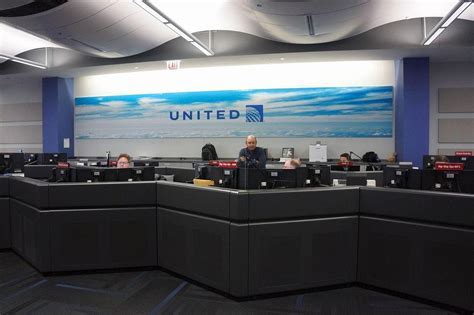
Operational woes at Newark are not unique to United, but the carrier feels their effects acutely due to its dominant presence at the airport. To mitigate long-term friction, United is engaged in collaboration with the FAA and Port Authority to modernize infrastructure and improve air traffic flow. Part of this strategy includes:
- Enhancing gate utilization through digital solutions
- Streamlining pushback and taxi sequencing
- Advocating for optimized airspace redesign in the congested Northeast corridor
These projects are inherently complex and require multi-agency coordination, but they are indispensable for unlocking future growth. United understands that unless Newark’s chokepoints are addressed, the hub’s value as a strategic asset will remain constrained.
Business Travel Renaissance Fuels Optimism
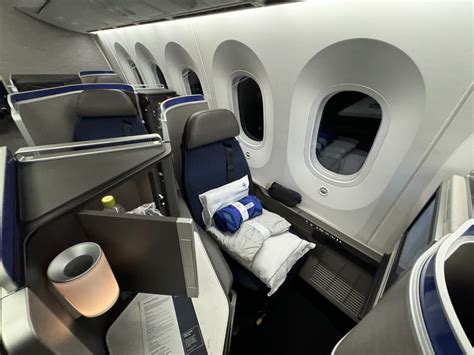
For the first time since the pandemic, business travel is driving airline recovery. United’s rise in corporate bookings is a clear reflection of this shift. Many multinational firms are resuming international conferences, trade visits, and client engagements, all of which disproportionately benefit full-service carriers like United that offer premium cabins and global connectivity.
This recovery in corporate travel is particularly important because of its higher yield relative to leisure segments. Business travelers are less price-sensitive and more focused on schedule reliability, loyalty perks, and premium offerings—areas where United has invested heavily over the past few years.
Pricing Pressure in a Crowded Domestic Market
Despite surging demand, United—like its peers—is facing reduced pricing power, especially in the U.S. domestic market. With new entrants and low-cost carriers aggressively expanding routes, the competitive pressure has driven down fares in key markets. United’s average yield per passenger has declined across all regions, but the domestic market has seen the steepest erosion.
This has forced the airline to seek margin protection elsewhere. While fare hikes remain limited by market conditions, United is enhancing ancillary revenue streams through upselling premium seats, introducing subscription models for perks like Wi-Fi and checked bags, and offering dynamic pricing on upgrades.
The goal is clear: to improve per-passenger revenue without alienating price-sensitive travelers. In this pursuit, United is also doubling down on customer loyalty programs like MileagePlus, which has become a critical lever for maintaining customer stickiness in a volatile pricing environment.
Global Network Expansion Amid Demand Surge
On the international front, United is faring better. Routes to Europe, Asia, and Latin America have rebounded strongly, and the airline has capitalized by increasing frequencies and adding new destinations. With geopolitical risks easing, travel restrictions loosening, and the dollar stabilizing, U.S. travelers are once again flying abroad in large numbers.
United’s strategic alliances, including with Lufthansa, ANA, and Air Canada, further enhance its global footprint. These partnerships enable code-sharing, joint scheduling, and loyalty benefits across networks—tools that are proving essential in the post-pandemic airline ecosystem.
Financial Performance: Balancing Headwinds with Resilience
United has maintained a cautiously optimistic stance in its financial projections. While the third-quarter guidance suggests a shortfall versus Wall Street expectations, the airline insists that fundamentals are strong. Its focus on profitable routes, cost containment, and infrastructure coordination indicates a methodical approach to recovery, rather than unsustainable expansion.
Operational efficiency, particularly outside Newark, has improved across the board. United’s other hubs in Chicago, Denver, and Houston are performing robustly and absorbing some of the capacity constraints imposed by the Northeast. These alternate nodes are acting as relief valves for an overstretched Newark, offering United some flexibility in managing high-traffic periods.
The Newark Bottleneck: A National Aviation Concern
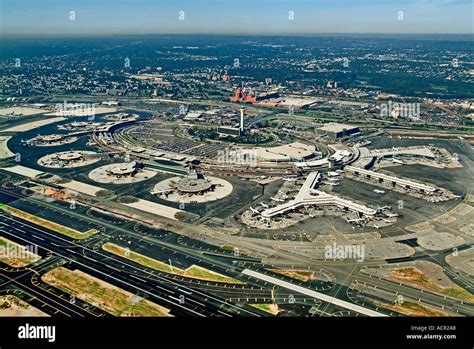
Newark’s issues go beyond one airline. The airport is emblematic of America’s aging aviation infrastructure, particularly in high-density corridors like the New York metropolitan area. Its challenges reflect systemic problems: outdated terminals, limited runway capacity, and antiquated air traffic control systems. United’s struggles are thus part of a larger national story.
Addressing these bottlenecks requires not just capital investment but political will. With growing bipartisan consensus on the need to modernize national infrastructure, there is potential for funding allocations that could benefit Newark and other troubled airports. For United, active participation in this dialogue is both strategic and necessary.
Looking Ahead: United’s Competitive Position in a Shifting Market
Despite these near-term constraints, United Airlines remains in a strong strategic position. Its diversified route network, improved cost controls, and resilience in the face of adversity are positioning it well for long-term recovery. The airline’s ability to adapt—whether by trimming schedules, optimizing hubs, or leveraging digital tools—demonstrates a maturity that bodes well for future quarters.
Moreover, United is increasingly focused on passenger experience. From upgrades to its Polaris business class to improved lounges and in-flight connectivity, the airline is targeting higher-value travelers who demand more than just a seat. These investments are especially important as it seeks to retain its edge over both legacy rivals and emerging low-cost carriers.
Conclusion: United’s Resilience Tested, But Not Broken
As 2025 progresses, United Airlines finds itself at a crossroads of recovery and constraint. The surging demand for air travel, particularly in high-yield segments like business and international, signals a robust revival. Yet Newark’s limitations serve as a stark reminder that operational capacity—not just demand—is key to profitability.
Still, United’s strategic clarity, operational discipline, and readiness to tackle systemic challenges position it well for the future. If it can continue balancing growth with infrastructure realities—and if Newark’s issues are eventually resolved—United is poised to remain one of the most formidable players in the global aviation arena.