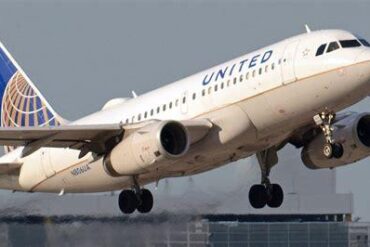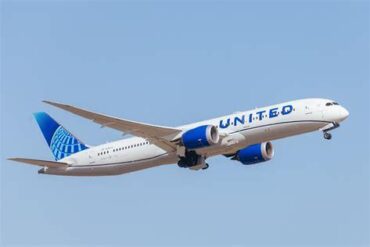
The rivalry between United Airlines and American Airlines has always been intense, but recent events reveal a shift from traditional competitive tactics to something more cerebral and calculated. United’s decision to publicly challenge American’s Chicago strategy was not a casual remark or an emotional jab. It was a deliberate act of psychological warfare, aimed less at passengers and more at investors, analysts, and market perception. In doing so, United reframed a long-running hub battle into a story about capital discipline, profitability, and managerial competence.
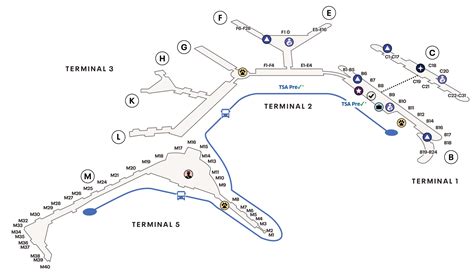
Chicago has long been one of the most contested airline markets in the United States. O’Hare International Airport is not merely a hub; it is a proving ground where network strength, operational scale, and financial resilience are tested daily. United dominates the airport with breadth and frequency, while American maintains a smaller yet symbolically critical presence. By publicly questioning whether American can earn acceptable returns in Chicago, United shifted the debate from competition to shareholder value, where narratives can be as powerful as numbers.
Chicago as a Strategic Pressure Point
At the core of United’s messaging is the idea that Chicago is structurally unprofitable for American Airlines. This framing is potent because it implies inevitability rather than miscalculation. Instead of arguing that American is executing poorly, United suggests that no execution would be sufficient under the current conditions. That distinction matters. It nudges investors toward asking whether continued investment in Chicago represents discipline or denial.
United’s leadership emphasized its own willingness to absorb short-term pain for long-term dominance, while portraying American’s losses as evidence of a flawed strategy. The now widely quoted comment from CEO Scott Kirby, highlighting how United’s competitive response allegedly cost American hundreds of millions more than it cost United, was not simply colorful language. It was an attempt to anchor investor expectations around who can survive a capacity war and who cannot.
Investor Signaling Disguised as Operational Commentary
What makes this episode remarkable is the audience. Airlines frequently criticize competitors in private conversations, industry panels, or regulatory filings. United chose a different venue: its own earnings call, where analysts listen for clues about discipline, returns, and future strategy. By raising Chicago in that context, United elevated the issue from a market skirmish to a capital allocation debate.

This approach leverages a basic psychological principle: investors are more sensitive to narratives that question management judgment than to those that merely describe competition. United’s comments subtly invited shareholders to ask why American continues to defend a hub that appears to generate inconsistent returns, especially when other markets might promise better margins. The pressure is indirect but persistent, echoing through analyst notes and media coverage long after the call ends.
United’s Structural Advantage at O’Hare
United’s confidence is rooted in its structural position at Chicago O’Hare. Scale matters enormously in hub economics. United benefits from extensive domestic feed, high-frequency schedules, and strong premium demand that supports long-haul and international routes. This network density improves aircraft utilization and cushions the airline against aggressive pricing.
Recent announcements of new regional routes to cities such as Champaign, Kalamazoo, Lansing, La Crosse, and Bloomington reinforce United’s message of commitment. Each additional spoke strengthens the hub, deepens customer loyalty, and raises the cost for competitors attempting to match frequency. For United, Chicago is portrayed as a flywheel: the more it invests, the more defensible and profitable the hub becomes.
American’s smaller footprint, by contrast, leaves it more exposed. Adjustments in capacity and schedules over recent years signal ongoing internal debate about the hub’s long-term role. While American has framed these changes as rational optimization, United’s public commentary recasts them as symptoms of retreat.
Psychological Warfare in Modern Airline Competition
Historically, airline rivalry has been waged through fares, schedules, and aircraft orders. Publicly questioning a competitor’s profitability strategy crosses into new territory. United’s approach suggests that modern competition increasingly includes investor psychology as a battleground. If confidence erodes, capital becomes more expensive, strategic flexibility narrows, and management decisions face harsher scrutiny.
This tactic also reinforces United’s own brand narrative. By positioning itself as disciplined, data-driven, and unafraid of hard truths, United appeals to investors seeking predictable returns. The implicit contrast is clear: one airline claims to understand when markets create value, the other is portrayed as chasing relevance at the expense of profitability.
Implications for American Airlines and the Industry
If American’s shareholders begin to internalize United’s framing, pressure may mount for deeper changes at Chicago. That could mean further capacity reductions, redeployment of aircraft, or even a strategic reassessment of O’Hare’s role within American’s network. None of these outcomes require United to take additional action; the narrative itself does the work.
For the broader industry, this episode may mark a turning point. Earnings calls and investor presentations are becoming arenas for competitive signaling, not just financial disclosure. Airlines are no longer content to win in the skies alone. They are increasingly competing for confidence, credibility, and control of the story that markets tell about their future.
United’s public takedown of American’s Chicago strategy illustrates how psychological warfare now complements operational strength. In an industry where margins are thin and perception can move stock prices, controlling the narrative may be almost as valuable as controlling the gates.