Airplane wings are among the most critical components of modern aircraft, serving not just as lift generators but as structural powerhouses that balance engineering ingenuity and aerodynamic efficiency. For passengers gazing out the window during turbulence, seeing the wings flex and bend can be unsettling. But this motion is no sign of danger — in fact, it’s a sign of strength, design intelligence, and survivability in extreme conditions.
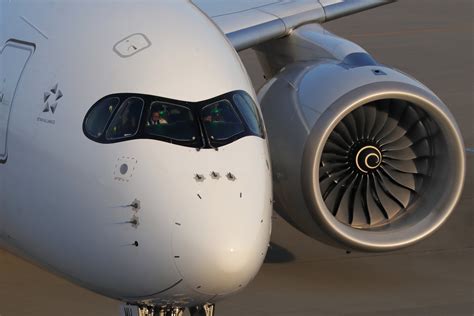
Aircraft like the Airbus A350 XWB and Boeing 787 Dreamliner have wings capable of bending up to 17 to 26 feet from their resting position, respectively. This is not just by design — it’s by deliberate safety strategy, and it plays a pivotal role in maintaining aircraft integrity during rough weather.
The Science Behind Wing Flexibility
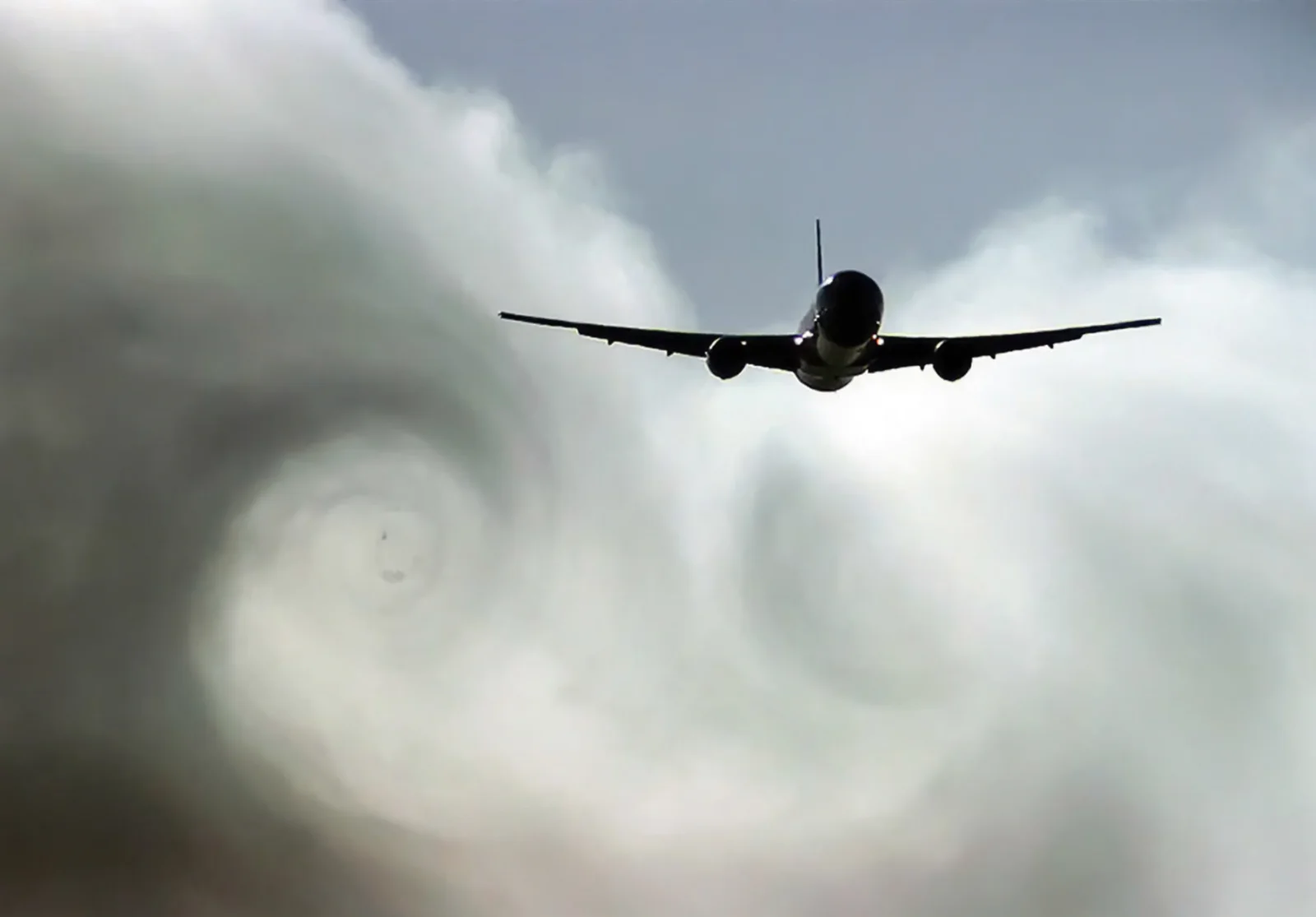
The foundation of wing flexibility begins in aerodynamics and material science. Unlike rigid structures that would snap under strain, flexible wings are engineered to absorb the forces of turbulence, updrafts, and storm-related stress. When an aircraft flies through a thunderstorm or turbulent air pocket, dynamic forces from changing wind speeds and directions exert vertical loads on the wings. Instead of transmitting all that force to the fuselage — where passengers and critical systems are located — the wings absorb it through controlled deformation.
This flexing distributes the energy across the entire wing structure, reducing the risk of structural fatigue or failure. It’s similar in principle to how a suspension bridge sways slightly in the wind — a small amount of movement preserves integrity in the face of persistent or sudden stress.
Why Rigid Wings Would Be Dangerous
Consider the consequences of zero-flex wings. If wings were entirely stiff, they would act like rigid levers fixed to the fuselage. In turbulent conditions, any vertical movement of the wing would directly impact the aircraft body. The result? An unbearably rough ride and increased mechanical stress on wing-fuselage joints — the most critical structural junction in an aircraft. Repeated stress at this point without flexibility would eventually cause fatigue cracks, leading to catastrophic failure.
Wings, therefore, need to be both strong and elastic. This combination allows aircraft to withstand extraordinary stresses, including those caused by clear-air turbulence — the kind of bumpy air that strikes without warning and can’t be seen even with radar.
How Far Can Wings Bend?
The degree to which a wing can bend is not arbitrary. It’s a carefully calculated engineering parameter, determined through rigorous laboratory testing and real-world flight data analysis.
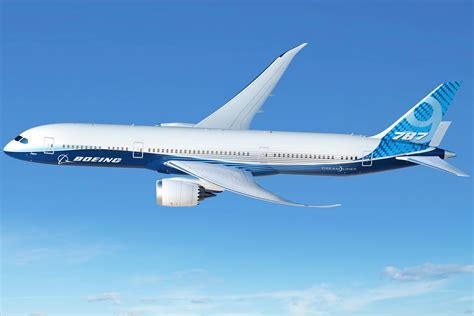
The Airbus A350 XWB, for instance, has wings that can bend up to 17 feet upward before structural limits are approached. This was verified during Airbus’ static load tests, where immense weights and forces are applied to wings to simulate extreme flight scenarios — much more extreme than anything encountered in real operations. Similarly, the Boeing 787’s composite wings can flex an astonishing 26 feet upward under stress before showing signs of material failure.
These tests are crucial. They push wings to 150% of their anticipated maximum operational load — a safety margin that ensures in-flight forces can never reach critical levels. This is standard across the aviation industry, forming part of certification protocols set by aviation authorities like the FAA and EASA.
Materials Make the Difference
The wings of modern aircraft are typically made from high-strength aluminum alloys or advanced carbon fiber composites. These materials combine lightweight performance with incredible resistance to tension and compression. A wing isn’t just a hollow shell — it’s an advanced framework of spars, ribs, and stringers working together to form an integrated structural system.
- Spars are the backbone of the wing, running lengthwise and bearing most of the load.
- Ribs maintain the wing’s aerodynamic shape and distribute stress.
- Stringers run between ribs and spars, providing stiffness and shape retention.
In composite aircraft like the Boeing 787, the flexibility is enhanced due to the anisotropic nature of carbon fiber, meaning it can be tuned to bend more in certain directions and resist force in others. These materials also offer higher fatigue resistance, ensuring long service life even after tens of thousands of flight cycles.
Wings as Shock Absorbers
To understand the function of wing flex, think of it like a shock absorber in a car. Instead of letting every bump in the road jolt the chassis, the shock absorber cushions the blow. Similarly, wings that bend during turbulence absorb energy that would otherwise transfer directly to the fuselage. This is especially important during storm penetration, when vertical gusts can cause sudden altitude changes and high wing loads.
A famous example of the consequences of wing failure was Japan Airlines Flight 123, which crashed in 1985 due to a rear pressure bulkhead failure — not a wing issue, but a structural failure nonetheless. This tragedy emphasized how crucial structural integrity is in aviation.
Historical Cases Where Wing Flexibility Saved Lives
While often unnoticed, wing flexibility has likely prevented numerous accidents. A recent case involved Delta Flight 4819 in February 2025. During a hard landing in Toronto, the detached left wing exploded away from the fuselage due to extreme stress after touchdown. However, its design had prevented the stored fuel from reaching the cabin area, avoiding what could have been a much greater catastrophe. The flexible wings — designed to bend under pressure — had absorbed much of the landing impact before the failure point.
This safety buffer is part of what makes commercial aviation one of the safest forms of travel in existence today. Despite carrying thousands of gallons of fuel and traveling at high altitudes and speeds, aircraft remain incredibly resilient, thanks in large part to forgiving wing geometry.
The Pilot’s Perspective
From the cockpit, pilots understand wing flex as part of standard aircraft behavior. As Captain John Cox, a veteran airline pilot, explained to USA Today, “Aircraft designers calculate the maximum stress they anticipate a wing will experience in flight, then make it able to withstand 50% more as a safety margin.” This is why even severe turbulence rarely results in serious aircraft damage. Pilots are trained to manage these conditions — by adjusting altitude, speed, and heading — but they can do so with the knowledge that the aircraft is built to endure far worse than nature throws at it.
Fighter Jets vs. Commercial Airliners
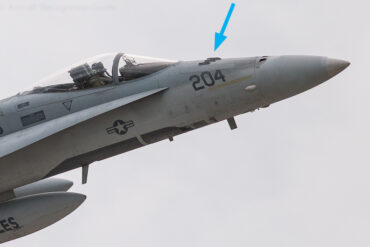
While commercial jetliners focus on comfort and efficiency, military jets like the F-15 take flexibility to another level. Though designed for high-speed maneuverability, these jets also rely on wing strength and agility. In rare situations, F-15s have even landed with one wing missing, thanks to their redundant control surfaces and fuselage lift capability — a feat that underscores the overengineering built into high-performance aircraft.
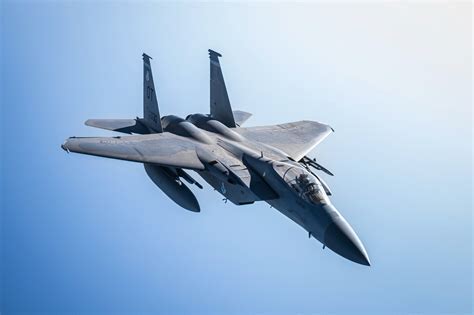
However, such feats would be impossible in passenger aircraft, which rely heavily on wing lift and structural balance. Therefore, while they may not pull 9Gs or barrel roll through the sky, commercial airliners depend far more on precision engineering and structural tolerance.
Conclusion: Wing Flexibility is a Triumph of Design
Airplane wings are not fragile appendages but masterpieces of aerodynamic architecture. Their ability to bend is not a flaw — it is a deliberate engineering solution that enhances safety, stability, and passenger comfort. From the A350’s 17-foot flex to the Dreamliner’s 26-foot arc under testing, these figures speak to the robust overdesign built into every commercial aircraft.
So the next time your flight dips through stormy skies and the wingtip bounces, remember: it’s doing exactly what it was built to do. It’s not failing. It’s flexing to protect you.