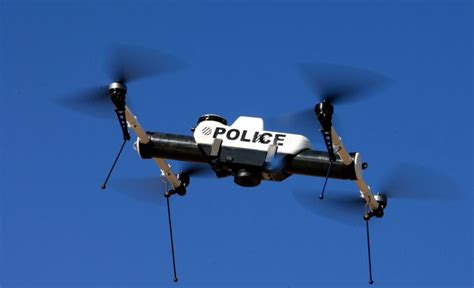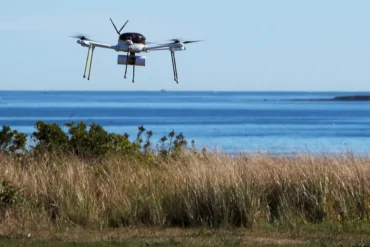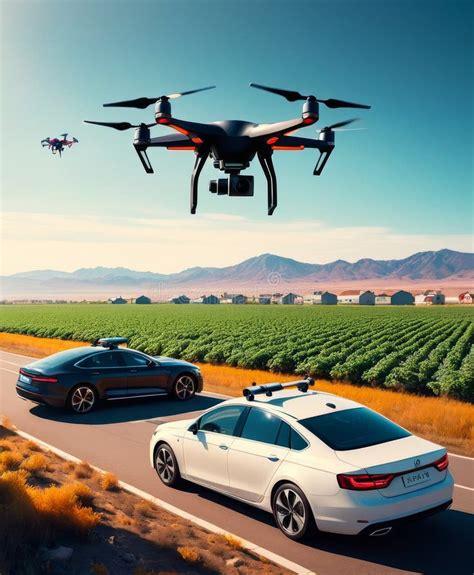
As drones become more advanced and affordable, their role in everyday surveillance is expanding far beyond military applications. Across parts of the United States, law enforcement agencies are increasingly deploying drone systems capable of monitoring traffic, responding to emergencies, and tracking vehicle movements in real time. For drivers, this raises an unsettling question: if a drone appears to be following your car, is it actually tracking you?
The Growing Use of Drones in Traffic Surveillance
Modern police drones are no longer limited to aerial photography or search-and-rescue missions. Many departments now use sophisticated unmanned aircraft as part of integrated public safety networks. These systems are designed to launch rapidly when an incident occurs, providing officers with an aerial perspective that would otherwise require helicopters or ground units.
Unlike traditional surveillance methods, drones can reach a location within seconds while transmitting live video directly to command centers. This capability allows authorities to monitor traffic collisions, active criminal investigations, emergency situations, and suspicious vehicle activity with remarkable efficiency.
In some jurisdictions, drones are becoming a routine component of public safety infrastructure, creating a new layer of aerial observation that many drivers may not even realize exists.
Why a Drone May Appear to Be Following Your Vehicle
If a drone seems to be traveling in the same direction as your vehicle, there are several possible explanations. In many cases, the aircraft is not specifically targeting a particular driver but is instead responding to an incident occurring nearby.
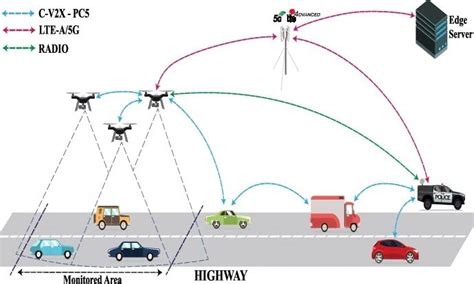
However, certain drone programs are designed to work alongside existing vehicle-monitoring technologies. These include automated license plate readers, traffic cameras, emergency dispatch systems, and crime analysis platforms. When these systems detect a vehicle associated with an investigation or an ongoing incident, a drone may be dispatched to provide visual confirmation and real-time situational awareness.
Because drones can maintain altitude while covering large distances, they can create the impression that they are persistently following a single car even when they are actually monitoring a broader area.
How Automated Drone Networks Operate
One of the most notable developments in recent years is the emergence of automated drone response systems. These platforms can be connected to sensors and surveillance technologies that trigger launches without requiring manual deployment.
When activated, the drone flies autonomously toward a designated location and begins transmitting high-definition video feeds. Advanced models are equipped with powerful optical zoom capabilities, thermal imaging sensors, and enhanced night-vision technology, allowing operators to observe activity regardless of lighting conditions.
The collected footage is typically recorded and stored for later review, enabling investigators to analyze incidents long after they occur. Supporters argue that these systems improve response times, reduce operational costs, and enhance officer safety by providing critical information before personnel arrive on scene.
Privacy Concerns Surrounding Vehicle Tracking
The rapid expansion of drone surveillance has generated significant debate regarding privacy rights and government oversight. Critics argue that combining drones with license plate recognition technology creates a powerful tracking network capable of monitoring vehicle movements on an unprecedented scale.
Privacy advocates have raised concerns that databases containing vehicle location information can be searched without substantial restrictions in certain situations. This has fueled fears that technologies originally intended for serious criminal investigations could eventually be used for minor enforcement matters or routine monitoring activities.
The concern is not merely theoretical. Civil liberties organizations have repeatedly questioned how long data should be stored, who can access it, and what safeguards are necessary to prevent misuse.
Legal Challenges and Public Backlash
As drone-assisted surveillance expands, legal challenges are emerging across multiple states. Municipalities, advocacy groups, and concerned residents have increasingly scrutinized the deployment of vehicle-tracking technologies, arguing that greater transparency and accountability are necessary.
While many lawsuits focus on broader surveillance systems rather than drones themselves, the disputes highlight a fundamental tension between public safety objectives and personal privacy expectations. Supporters view drone programs as valuable crime-fighting tools, while critics warn that unchecked surveillance can gradually erode civil liberties.
For drivers, the reality is that a drone overhead does not automatically mean they are being personally investigated. Yet the increasing integration of drones with vehicle-monitoring technologies means that aerial surveillance is becoming a permanent feature of modern transportation environments. As these systems continue to evolve, the debate over security, privacy, and government oversight is likely to intensify alongside the technology itself.