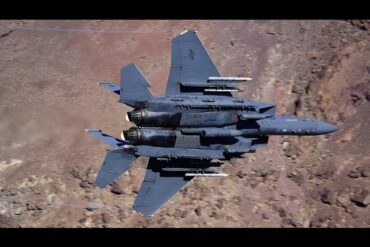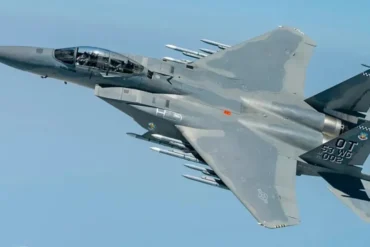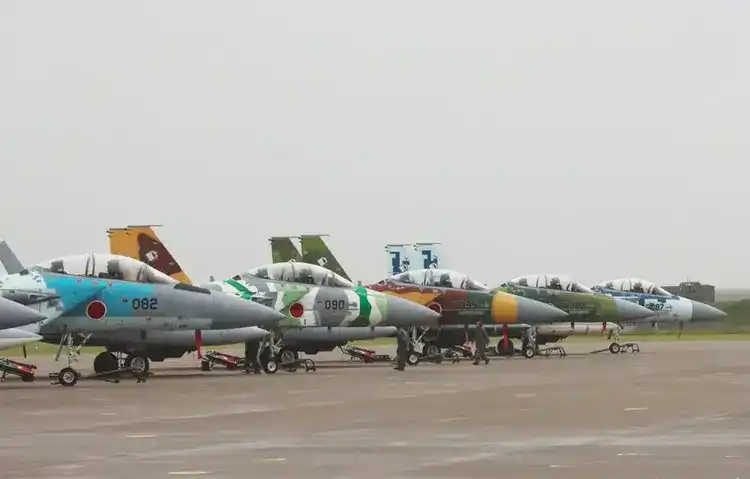
The McDonnell Douglas F-15 Eagle is one of the most formidable fighter aircraft ever built, known for its air superiority and adaptability. A crucial aspect of its operational effectiveness is its camouflage and paint schemes, which serve tactical, aesthetic, and commemorative purposes. Various nations operating the F-15 have customized its camouflage to match their unique combat environments, from desert landscapes to dense forests. This article explores the different F-15 camouflage patterns, their applications, and historical significance.
Standard Air Superiority Gray: The Default Scheme
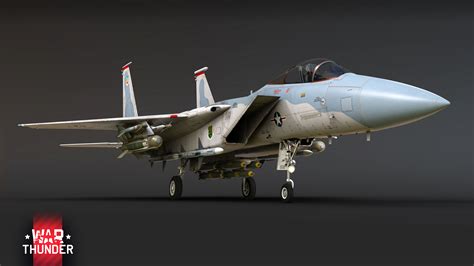
The most commonly seen paint scheme on the F-15 Eagle is the Air Superiority Gray (FS 36375). This monochrome gray coating minimizes the aircraft’s visibility against the sky, making it harder for enemy pilots to spot during aerial engagements.
- F-15C and F-15D models predominantly use this scheme due to their role in air dominance operations.
- The U.S. Air Force Museum features the Streak Eagle (72-0119), which, after setting multiple climb records, was repainted in Air Superiority Gray to prevent corrosion.
Special Mission and Experimental Camouflage
Certain F-15s have received unique paint schemes tailored to specific missions or research purposes.
Streak Eagle: Unpainted Metal for Speed
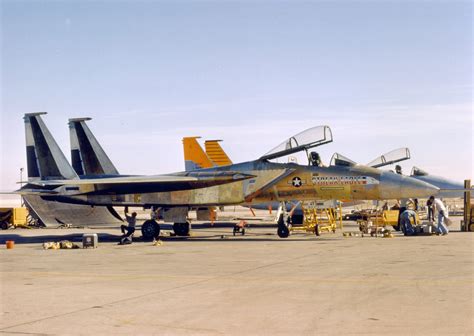
One of the most remarkable camo variations is the Streak Eagle, an F-15A prototype (72-0119) stripped of all non-essential weight, including its paint, to break several time-to-climb records. This unpainted metal fuselage resulted in a distinctive appearance with copper-gold and metallic gray streaks due to the exposed alloys.
F-15 Silent Eagle: Stealth-Inspired Coating
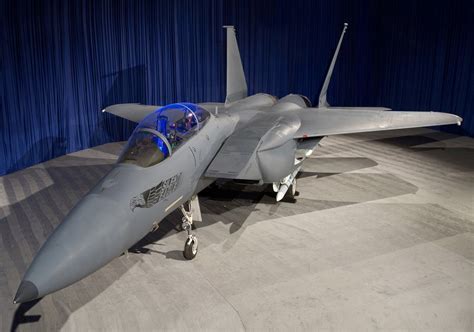
The F-15SE Silent Eagle, designed with low-observable technology, was expected to feature a low-visibility camouflage to enhance stealth. While specifics on its paint composition remain scarce, analysts suggest a dark gray or radar-absorbing material (RAM) coating for improved survivability in modern air combat scenarios.
National Variations: Country-Specific Camouflage
Different countries have modified the F-15’s camouflage to fit their regional combat needs.
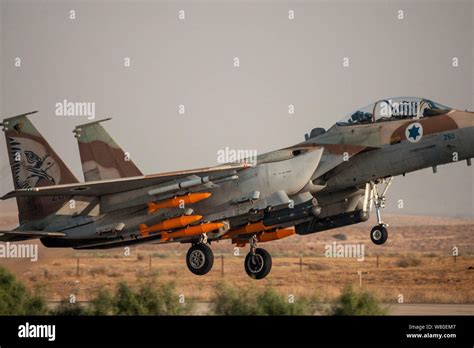
Israeli Air Force (IAF) – Desert Camouflage
The Israeli F-15I Ra’am, optimized for the Middle East’s arid landscapes, is adorned with desert camouflage, a mix of sand yellow, dark brown, and light gray tones. This design helps it blend with desert terrain, offering enhanced concealment during low-altitude operations.
- During the 1982 Lebanon War, IAF F-15A/B Eagles, painted in Air Superiority Gray, scored impressive aerial victories against Syrian aircraft.
- Later, the F-15I variant adopted the desert camo scheme, optimizing it for ground-attack roles.
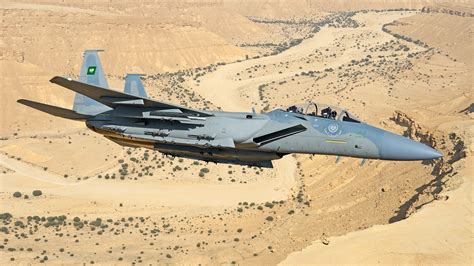
Royal Saudi Air Force (RSAF) – Tactical Sand Camo
Saudi Arabia’s F-15SA aircraft, tailored for operations in desert environments, utilize two-tone or three-tone sand camouflage. While precise specifications vary, these patterns improve survivability against ground-based threats.
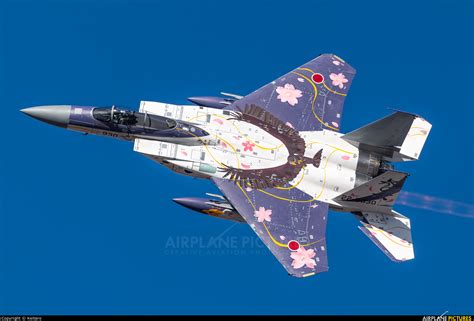
Japan Air Self-Defense Force (JASDF) – Unique Markings
The JASDF F-15J/DJ Eagles typically feature U.S.-style Air Superiority Gray, but during special training exercises, temporary low-visibility markings and experimental camo have been applied.
Combat and Exercise Adjustments
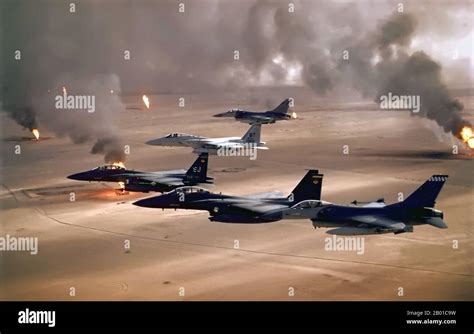
Gulf War: Desert Camo Adaptations
During the 1991 Gulf War, USAF F-15C and F-15E fighters engaged in extensive combat over the Middle East. To reduce visibility over sandy landscapes, some aircraft reportedly received temporary desert camouflage patterns, blending gray with sand-colored streaks to counter radar and visual detection.
Ground Attack Roles – European Woodland Camouflage
The F-15E Strike Eagle, optimized for air-to-ground missions, has experimented with camo suited for low-altitude operations. Some units have reportedly tested green and gray woodland camo to blend into European forests.
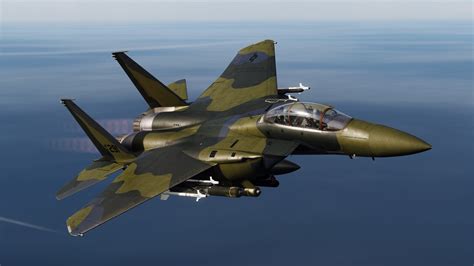
Commemorative and Special Markings
Many anniversary and special event F-15 liveries stand out with bold colors and unique insignias.
F-15 40th Anniversary Paint Scheme
To honor the 40th anniversary of the F-15, the USAF applied retro-inspired markings, including vintage logos and colorful tail art, celebrating its legacy.
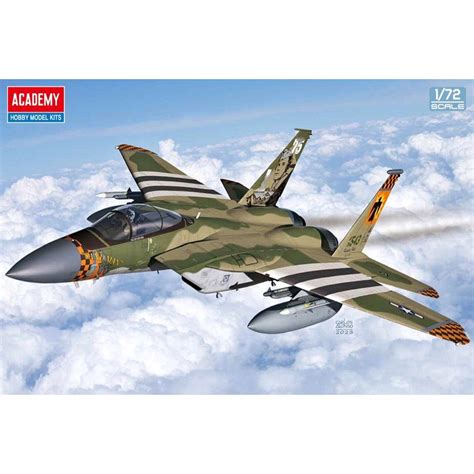
Squadron-Specific Tail Art
- 48th Fighter Wing (USAFE): Some F-15s have been seen in the “Europe 1” camo scheme, a mix of dark green, gray, and light gray, once common among USAFE units.
- U.S. Air National Guard Units: Feature state insignias and customized nose art, showcasing regional pride.
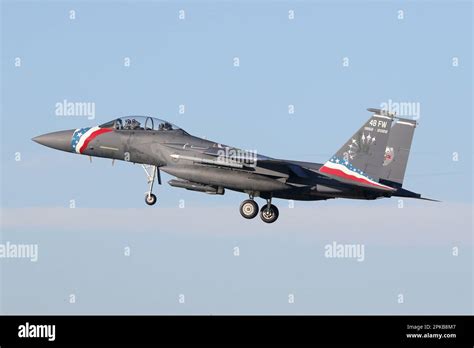
Conclusion
The F-15 Eagle’s camouflage evolution reflects its adaptability to different combat scenarios, national requirements, and technological advancements. While Air Superiority Gray remains the default operational scheme, many countries have tailored their F-15 fleets with region-specific camouflage, ensuring both tactical efficiency and aesthetic distinction.
FAQ
1. Why do most F-15s use Air Superiority Gray?
Air Superiority Gray minimizes visual detection against the sky, especially at high altitudes. This color choice enhances survivability during beyond-visual-range (BVR) engagements where stealth and minimal visibility matter most.
2. How do different countries customize their F-15 camouflage?
Each nation adapts F-15 camouflage based on its combat environment. Israel uses desert tones, Saudi Arabia employs sand-colored schemes, and Japan often retains standard gray with additional markings for training and exercises.
3. Has the F-15 ever used stealth coatings?
The F-15SE Silent Eagle was designed with stealth features, including radar-absorbent materials and internal weapons bays. However, it was never fully adopted into service.
By understanding the F-15’s camo variations, we gain insight into how tactical paint schemes contribute to mission success, whether in air superiority, ground attack, or commemorative roles.