Cold welding is a fascinating phenomenon that occurs when two metal surfaces of the same type come into direct contact in the absence of any oxide layer, forming a strong bond between the atoms. Unlike typical welding processes, which require high temperatures to melt the materials, cold welding can happen at room temperature or even lower. In this article, we explore the science behind cold welding, its applications, and how this unique process plays a crucial role in industries ranging from aerospace to manufacturing.
What is Cold Welding?
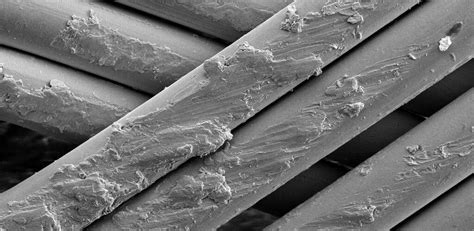
Cold welding is a process where two metals, typically of the same type, adhere to each other without the need for heat or a melting phase. This occurs because the atoms of the metals in question are closely aligned, allowing the metal atoms to bond directly at their surfaces. When two clean, flat metal surfaces come into direct contact, the absence of an oxide layer enables the atoms to move freely and form bonds, leading to a solid connection between the metals.
The basic principle behind cold welding lies in the nature of metallic bonding. Metals are composed of atoms that have free-moving valence electrons, which are not bound to any specific atom. These electrons form a kind of ‘electron cloud’ that allows metals to bond in ways that non-metallic substances cannot. When the oxide layer, which generally prevents metal surfaces from bonding, is absent, the atoms can join together, creating a solid weld. This process does not require the temperatures that traditional welding techniques do, making it a unique and potentially beneficial method for certain applications.
Why Cold Welding Happens in Space
While cold welding is a fascinating phenomenon that occurs in specific conditions on Earth, it is particularly significant in space. In the vacuum of space, there is no atmosphere to form oxide layers on the metal surfaces. This lack of an oxide layer is a critical factor that makes cold welding a potential risk for spacecraft. The Galileo spacecraft’s antenna failure in the 1990s is one of the most notable examples of cold welding in space. In this case, the removal of the oxide layer during transport led to metal components welding together and causing a malfunction.
In the absence of air, metal surfaces can come into direct contact and bond at the atomic level, resulting in a process similar to cold welding. Without protective coatings or proper materials management, this can lead to significant failures in spacecraft components, especially those that are meant to deploy or move. For instance, antennae or solar panels that need to unfold or rotate may fail to operate correctly due to cold welding.
Cold Welding on Earth: Is It a Concern?
While cold welding is more commonly associated with space applications, it can also occur on Earth, especially with metals like stainless steel or titanium. These metals are highly reactive and prone to forming strong bonds when in direct contact with each other. However, in Earth’s atmosphere, the presence of an oxide layer (such as rust or other forms of corrosion) typically prevents cold welding from happening. The oxide layer acts as a barrier, preventing direct metal-to-metal contact and effectively blocking the cold welding process.
In everyday applications, cold welding is not usually a significant concern, particularly in non-moving components or structures. However, for parts or components that must move or deploy, such as hinges, valves, or machinery with moving parts, cold welding can become a real issue. To prevent cold welding, industries often use various strategies, including coating the metal surfaces with protective layers or using dissimilar materials that are less likely to bond together.
Preventing Cold Welding: Techniques and Materials
To mitigate the risks of cold welding, particularly in space and high-precision environments, several methods are employed to prevent metal surfaces from coming into direct contact with one another. Some of the most common techniques include:
- Using Dissimilar Metals: Cold welding typically occurs when two identical metals come into contact. By using different types of metals, the likelihood of cold welding occurring can be significantly reduced. For example, combining metals with different atomic structures or properties can prevent the metals from bonding in the same way.
- Protective Coatings: Coating metal surfaces with protective materials, such as paint, grease, or anodized layers, can prevent direct contact between metal surfaces. These coatings form a barrier that blocks the atoms from bonding and reduces the risk of cold welding.
- Dry Lubricants: In some applications, dry lubricants are applied to metal surfaces to reduce friction and prevent surfaces from bonding together. This is particularly important for components that must move or slide against one another, such as in space exploration or industrial machinery.
By carefully selecting materials, applying protective coatings, and using lubricants, engineers can minimize the risk of cold welding in critical systems.
Cold Welding in Space Exploration
In the field of space exploration, cold welding is a serious concern due to the harsh and unique conditions of space. Spacecraft, satellites, and other spaceborne equipment rely on precise mechanisms that must remain operational in the vacuum of space, where temperatures can vary drastically and the atmosphere is nearly nonexistent. Cold welding presents a threat to these devices because it can interfere with delicate components that must deploy, unfold, or rotate once in orbit.
For example, solar panels on spacecraft are often equipped with hinges and deployment mechanisms that rely on smooth motion. If cold welding occurs between metal components, it can cause them to seize up, rendering the system inoperable. Similarly, antennae and other deployable systems are vulnerable to this issue. As a result, engineers working on spacecraft must carefully consider material choices, protective coatings, and lubricants to prevent cold welding from causing mission failure.
One notable example is the Galileo spacecraft mission. The spacecraft’s antenna experienced a failure due to cold welding, which occurred because the protective oxide layer was removed during transport. This issue highlighted the importance of protecting spacecraft components from the risk of cold welding in space.
Conclusion: Cold Welding’s Role in Modern Engineering
Cold welding, while a fascinating natural phenomenon, presents both challenges and opportunities for modern engineering, especially in fields like space exploration and advanced manufacturing. On Earth, the presence of oxide layers generally prevents cold welding from occurring, but in space, where these barriers do not exist, the risk is much higher. By understanding the principles behind cold welding and employing advanced materials and coatings, engineers can successfully mitigate the risks associated with this process.
Ultimately, cold welding remains a critical factor in the design and operation of spacecraft and other high-precision machinery. By continuing to study and manage cold welding, industries can ensure that the components we rely on, from space exploration equipment to everyday mechanical systems, remain reliable and functional.