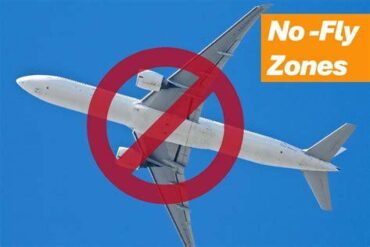
A no-fly zone (NFZ) is a geographically designated area where military or civilian aircraft are prohibited from operating, usually enforced by a military power during conflicts. These zones are put in place for various reasons, including humanitarian protection and military strategy, and have become a prominent tool in modern warfare and international diplomacy. The significance and application of NFZs have evolved over time, especially as technological advancements have reshaped how military forces approach airspace control and territorial security. In this article, we will explore the concept of no-fly zones, their history, legal implications, and their effectiveness in different conflict zones around the world.
What is a No Fly Zone?
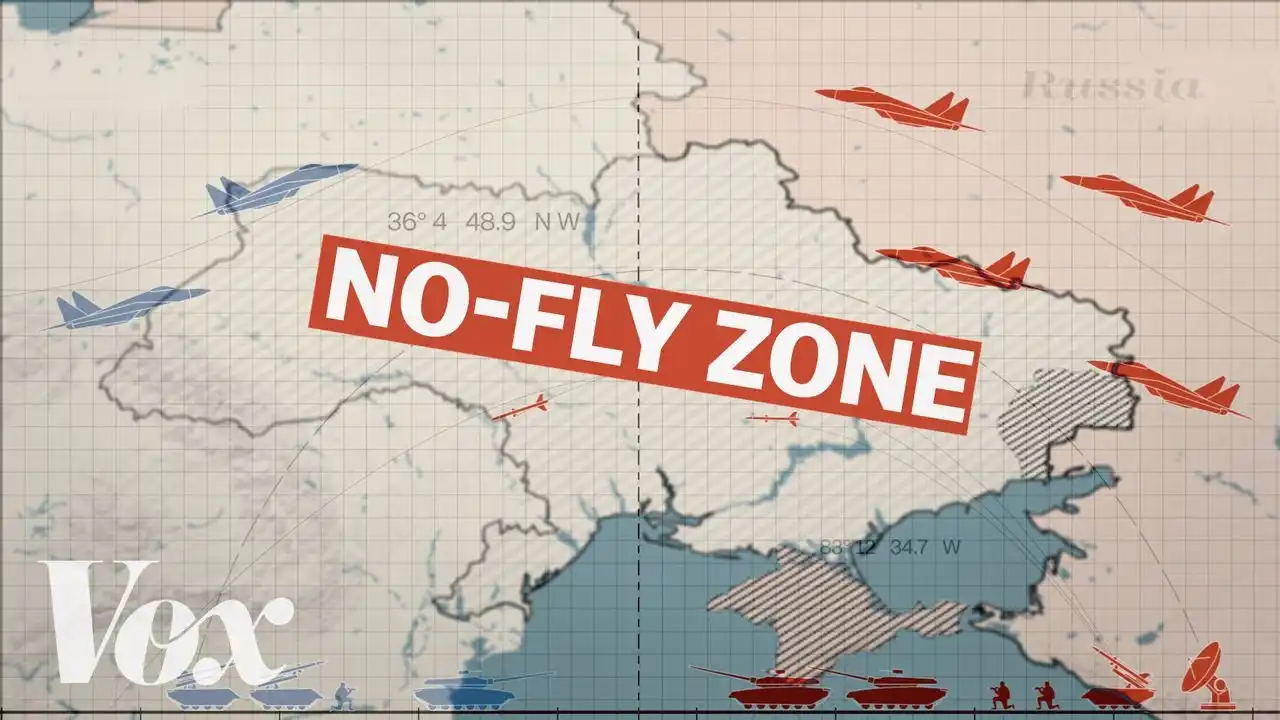
A no-fly zone is an area where certain aircraft are prohibited from entering, usually enforced by a state or a coalition of countries. The primary goal is to limit the movement of hostile aircraft in conflict zones, preventing them from conducting surveillance, attacks, or other military operations that could escalate violence. No-fly zones are often declared unilaterally or through international resolutions and are most frequently implemented in situations where air power plays a significant role in the conflict. By imposing these zones, the enforcing powers aim to gain a strategic advantage by denying the enemy air superiority, which can be pivotal in turning the tide of a conflict.
Unlike aerial blockades, which aim to prevent the movement of all aircraft into and out of a specific area, no-fly zones are more limited in scope. They focus solely on prohibiting the military aircraft of the opposing party from operating within the designated airspace. The decision to enforce a no-fly zone can be motivated by a variety of factors, including humanitarian concerns, territorial control, or as part of broader military operations.
The Evolution of No Fly Zones
The concept of no-fly zones became more prominent in the 1990s, coinciding with the end of the Cold War and the rise of new technological advancements. Prior to this, military air power was often viewed as too blunt a tool for achieving political goals without the risk of escalation, particularly due to the nuclear threat posed by the superpowers during the Cold War. However, after the collapse of the Soviet Union, the use of air power in military strategy gained renewed importance.
The Gulf War in 1991 was a pivotal moment for the concept of no-fly zones. In the aftermath of the war, the United States, along with its coalition partners, established a series of no-fly zones in Iraq to protect vulnerable populations, such as the Kurds in the north and the Shia in the south, from the Iraqi government’s air attacks. These zones were crucial in limiting Saddam Hussein’s military capabilities, preventing the Iraqi government from using its air force to suppress ethnic minorities.
As technology advanced, particularly with the development of stealth aircraft and precision strike capabilities, enforcing no-fly zones became more effective. The enforcement of no-fly zones could now involve not only surveillance but also preemptive strikes against any aircraft that violated the airspace, further enhancing their military utility.
Legal and Political Considerations
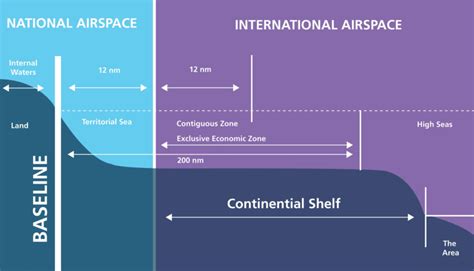
The implementation of no-fly zones is not without controversy. These zones are often enforced without the consent of the country in whose airspace they are imposed, raising questions about their legality under international law. For example, the United Nations has not always sanctioned the no-fly zones in Iraq. In fact, the UN Secretary-General at the time, Boutros Boutros-Ghali, described the Iraqi no-fly zones as illegal in a 2003 interview. This lack of UN approval has led to significant debates over the legitimacy and ethical implications of such military actions.
One of the key challenges in enforcing no-fly zones is the lack of clear legal frameworks. While the UN Security Council may authorize the use of force in certain situations, this does not always extend to the creation of no-fly zones. In some cases, countries may decide to impose a no-fly zone unilaterally or as part of a coalition, without formal approval from international bodies. This situation has led to varying degrees of international opposition and legal challenges, particularly when the zones are perceived as violating the sovereignty of the affected nation.
Historical Applications of No Fly Zones
Iraq (1991–2003)
Following the Gulf War, the United States and its allies imposed no-fly zones over Iraq to protect the Kurdish and Shia populations from the Iraqi government’s air force. These zones were particularly significant following the 1988 Halabja chemical attack, in which the Iraqi government used chemical weapons against Kurdish civilians. The creation of the northern and southern no-fly zones aimed to limit Saddam Hussein’s ability to conduct such attacks in the future. Despite the lack of UN authorization, the zones remained in place for more than a decade, during which time thousands of airstrikes were carried out by coalition forces. However, the effectiveness of these zones was frequently questioned, especially in terms of their ability to prevent ground-based attacks or provide long-term stability.
Bosnia and Herzegovina (1993–1995)
The conflict in Bosnia and Herzegovina during the early 1990s saw the imposition of a no-fly zone by the United Nations. Initially, this zone was enforced by NATO under Operation Sky Monitor, but violations by the Bosnian Serb forces were common. The UN Security Council passed a resolution in 1993, escalating enforcement measures and authorizing NATO to take military action against violators. This marked the first combat engagement in NATO’s history, illustrating the increasing willingness of the international community to use force to maintain airspace control in conflict zones. The enforcement of the Bosnian no-fly zone evolved into a comprehensive air campaign, with NATO launching airstrikes to neutralize enemy positions.
Libya (2011)
In 2011, the UN Security Council approved the establishment of a no-fly zone over Libya in response to the escalating violence during the civil war. The goal was to protect civilians from the airstrikes launched by Muammar Gaddafi’s government against anti-government rebels. NATO took control of the operation, enforcing the no-fly zone and conducting airstrikes against military targets associated with the Libyan regime. The Libyan no-fly zone was controversial, with some countries questioning its effectiveness and the extent of its mandate. It ultimately played a key role in the collapse of the Gaddafi regime but also raised concerns about the long-term political consequences of military intervention.
Ukraine (2022)
In 2022, as the conflict between Russia and Ukraine escalated, the Ukrainian government repeatedly called for NATO to impose a no-fly zone over its airspace. However, NATO rejected these requests due to the risk of escalating the conflict into a wider war with Russia. The idea of a no-fly zone over Ukraine remains a highly debated topic, especially considering the effectiveness of such a zone in light of the massive artillery and ground-based attacks that have caused the majority of casualties. Nonetheless, the discussion around a potential no-fly zone over Ukraine highlights the continuing relevance of this military tactic in modern geopolitical struggles.
Challenges and Effectiveness of No Fly Zones
The effectiveness of no-fly zones largely depends on several critical factors: clear and unified objectives, adequate regional support, and the presence of a strong command structure. Past operations, such as those in Iraq and Bosnia, demonstrated that inadequate coordination and a lack of regional backing can severely hinder the enforcement of a no-fly zone. Without a unified command structure, the different forces involved in the operation may have conflicting objectives, leading to inefficiencies and a lack of decisive action.
Another challenge lies in the exit strategy. For a no-fly zone to be effective, the enforcing powers must have a clear understanding of the desired outcome and how to transition the situation once that goal is achieved. This has been a problem in many past interventions, where a lack of clear political goals led to prolonged military commitments without any tangible results.
Finally, regional support is crucial for the success of a no-fly zone. The Iraqi no-fly zones, for example, were heavily dependent on support from neighboring countries like Turkey. The withdrawal of support from countries like France in the late 1990s further complicated the enforcement of these zones. In regions like the Middle East and Eastern Europe, regional dynamics often play a critical role in determining whether a no-fly zone can be maintained.
Conclusion
The concept of the no-fly zone has become an important tool in modern military strategy. From its early applications in the 1990s to its more recent use in conflicts like the Libyan civil war and Ukraine, no-fly zones have proven to be effective in certain circumstances. However, their success is dependent on a variety of factors, including international support, a clear command structure, and well-defined political objectives. As technology continues to advance and conflicts become increasingly complex, the role of no-fly zones will continue to evolve, offering both challenges and opportunities for military and diplomatic efforts worldwide.