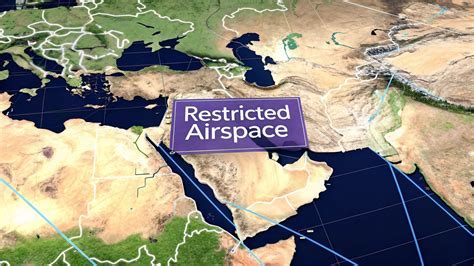
From coast to coast, the United States is home to some of the most restricted airspace in the world. Despite the illusion of a vast, free sky, there are heavily guarded pockets where air traffic is not just unwelcome—it’s outright banned. Enforced by the Federal Aviation Administration (FAA) and protected by layers of defense protocols, these “no-fly zones” are reserved for the highest security and strategic priorities.
Area 51: America’s Most Infamous Airspace Lockdown
Hidden deep in the Nevada desert, Area 51 spans nearly 25 square miles and is blanketed in secrecy. Long speculated to harbor extraterrestrial secrets, its true purpose is far more grounded—testing cutting-edge Air Force technology. Even Skylab 4’s 1974 orbital photos of the site caused governmental backlash. The area is off-limits to all civilian aircraft, making it one of the most aggressively protected airspaces on Earth.
Camp David: Presidential Refuge with a Protective Bubble
Located in Frederick County, Maryland, Camp David functions as a secluded hub for presidential retreats and high-stakes diplomatic meetings. A three-mile restricted airspace is always active, which expands to ten miles whenever the President is on-site. In May 2012, two civilian Cessna planes were intercepted by F-15 jets during a G8 summit, exemplifying the seriousness with which the zone is defended.
Prairie Chapel Ranch: George W. Bush’s Presidential Airspace
Known officially as P-49, this Amarillo, Texas, ranch served as a secondary White House during George W. Bush’s presidency. Despite his departure from office, the 2-mile radius and 2,000-foot vertical limit remain enforced—a symbolic continuation of his protected status. The ranch has hosted major world leaders including Angela Merkel and Tony Blair.
Disneyland and Disney World: Magic Kingdoms with Federal Protection
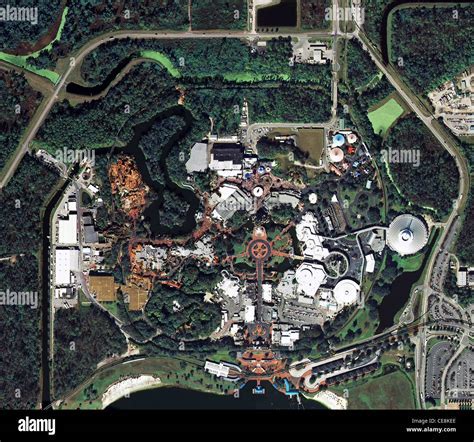
Originally implemented under Operation Liberty Shield in 2003 and made permanent in 2014, both Disney theme parks are covered by no-fly zones. While officially justified as a counterterrorism measure, critics believe the real motive may be to block banner-towing aircraft advertising rival parks or political messages. Attempts to overturn this, like the AIR Act sponsored by Reps. Greene and Boebert, have failed to gain traction.
Kings Bay Naval Submarine Base: The Nuclear Deterrent Fortress
This Georgia-based installation is home to Ohio-class nuclear submarines, central to America’s Mutually Assured Destruction (MAD) doctrine. Known as Prohibited Area 50, it restricts flights within a 2-nautical-mile radius and up to 3,000 feet, shielding some of the world’s most devastating weaponry.
Walker’s Point: The Bush Family’s Coastal Sanctuary
Located in Kennebunkport, Maine, Walker’s Point has served as a presidential retreat for George H.W. Bush. While no longer politically active, the 1,000-foot-high no-fly zone over a 1-mile radius remains, likely out of tradition and precaution. Compared to other no-fly zones, this is modest in scope but symbolic in intent.
Kennedy Space Center: America’s Gateway to the Stars
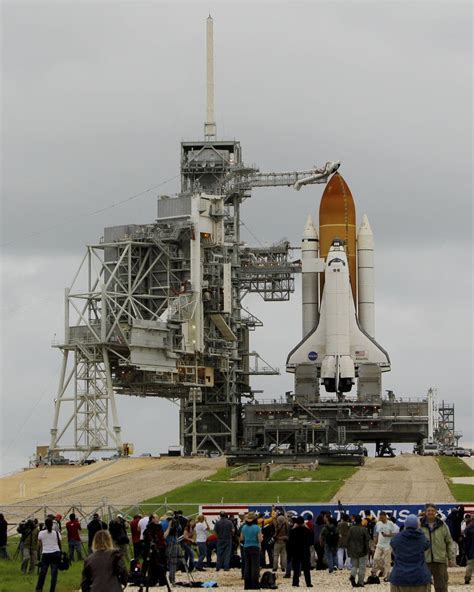
Florida’s Kennedy Space Center is the nation’s most crucial space launch site. During shuttle launches and re-entries, a 30-mile airspace lockdown is imposed, with no vertical limit. The restriction ensures zero risk of interference during launch operations. Civilian pilots risk massive penalties if they stray into this airspace during active windows.
Mount Vernon: Preserving Washington’s Legacy from the Sky
Designated as Prohibited Area 73, the airspace around George Washington’s Mount Vernon estate in Virginia has been protected since 1970. Extending 1,500 feet high and one mile around, this regulation preserves the structural integrity of the historic wooden mansion, vulnerable to vibrations from low-flying aircraft.
Boundary Waters Canoe Area Wilderness: Tranquility Enforced by Altitude
Straddling the Minnesota-Ontario border, this pristine wilderness was granted flight protection by President Truman in 1949. Aircraft must maintain altitudes above 4,000 feet, a precursor to the Wilderness Act of 1964 that emphasized conservation over commerce. The rule protects the serene environment from noise pollution and industrial encroachment.
Mar-a-Lago: Airspace Tied to a Presidency
During Donald Trump’s presidency and beyond, his Palm Beach resort, Mar-a-Lago, has become a temporary no-fly zone whenever he’s in residence. The restriction spans a 30-mile radius and has led to numerous violations, mostly by pilots unaware of the President’s schedule. NORAD actively monitors and enforces the zone.
Naval Base Kitsap: Fortress of the Pacific Fleet
Established in 2004, Naval Base Kitsap is a critical component of U.S. maritime defense, housing nuclear subs and strategic assets. Unlike the restricted status of Area 51, Kitsap is classified as Prohibited Area 51, meaning zero exceptions are granted. Over 33,000 personnel and 7,500 contractors operate within the base.
The Super Bowl: Aerial Lockdown for America’s Biggest Game
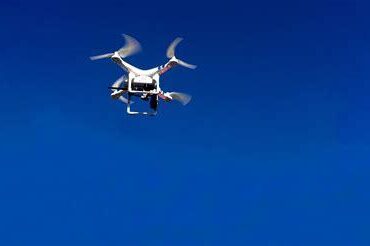
Each year, the Super Bowl stadium becomes a temporary no-fly zone. From kickoff to post-game, a 30-mile radius and 18,000-foot ceiling envelop the area. With the advent of consumer drones, regulations now explicitly ban aerial drones to protect the event from accidental or malicious disruptions.
Pantex Nuclear Facility: Where Warheads Go to Die (or Almost Explode)
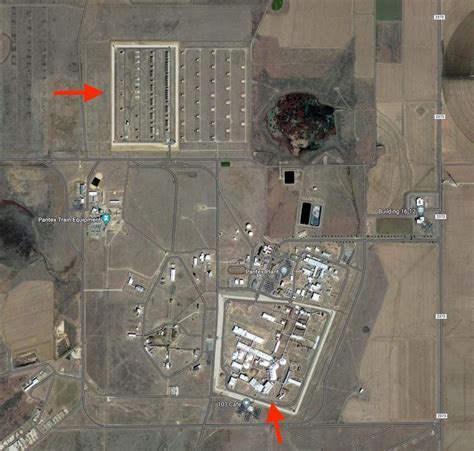
Located in Carson County, Texas, Pantex is tasked with assembling and dismantling America’s nuclear arsenal. Its airspace is permanently restricted. However, troubling issues go beyond air threats—EPA violations, toxic waste, and a 2005 near-detonation involving a W56 warhead have haunted the facility. NIOSH studies even reveal elevated cancer rates among workers.
Washington, D.C.: The Nation’s Most Secure Skies
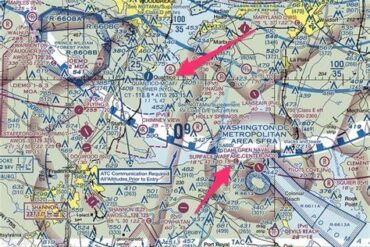
The entire capital city is classified under a strict no-fly zone extending to 18,000 feet. Enforced by NASAMS (National Advanced Surface-to-Air Missile Systems), any aerial breach is considered a national security threat. In 2005, a student pilot unintentionally entered the zone, prompting an evacuation of the White House and Capitol and an aggressive military response involving F-16s and a Black Hawk. In another case, a commercial airline pilot received a home visit from the Secret Service after a brief, accidental violation.
In a country where freedom of movement is foundational, restricted airspace is the exception that proves the rule. These no-fly zones represent a blend of national security, historical preservation, presidential privacy, and public safety. Whether defending against airborne threats or shielding sacred landmarks, they stand as invisible fortresses in the American sky.