Introduction
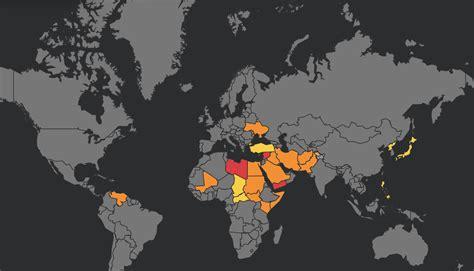
In the past, it has been quite rare for missiles to hit or destroy commercial airliners. This has led member states of the International Civil Aviation Organization (ICAO) to strengthen their security measures and collaborate more closely. According to international conventions, each incident is viewed as an “unlawful act of interference with civil aviation.” This article highlights some recent developments and challenges in protecting civilian flights in or near conflict zones.
Every time investigations reveal that an incident was not accidental, there is heightened scrutiny and concern. This means that a plane was either shot down deliberately or unintentionally brought down. Since 2014, ICAO has played a crucial role in analyzing these situations and pushing for protective measures. The organization regularly updates its advice to member states, aircraft operators, and air navigation service providers, both civil and military.
ICAO mainly focuses on assessing risks—both from deliberate actions and unintentional hazards—for civil aircraft flying over or near conflict zones. They emphasize that individual states must make the final decisions regarding which risk management and security practices to follow. Essentially, ICAO advises that governments should inform each other about potential threats in their airspace and work together to reduce these risks.
The knowledge and best practices gathered over time have been compiled by ICAO in the Risk Assessment Manual for Civil Aircraft Operations Over or Near Conflict Zones, Doc 10084, Second Edition, published in 2018.