The report highlights a critical disconnect between the attractive features of these cities—including rich cultural histories, iconic landmarks, and vibrant nightlife—and the rising levels of both violent and non-violent crimes. As millions of travelers plan their itineraries, this data serves as a crucial warning about the potential hazards lurking in these metropolitan areas.
Houston: The Most Dangerous City for Tourists
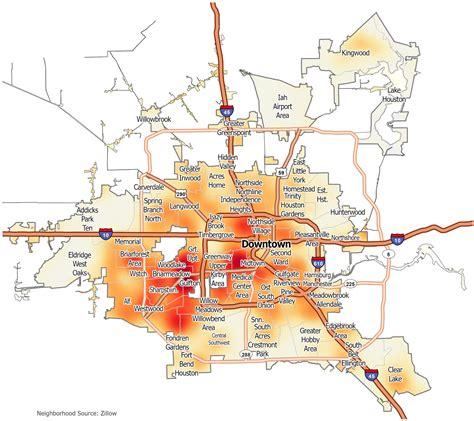
Houston, Texas, emerges at the top of the list with a Tourist-Risk Score of 88.2. Despite its status as the third-largest tourism city in South Korea and an average of 887,000 international visitors annually, Houston suffers from a high crime rate, with 2,656 crimes per 100,000 individuals. While non-violent offenses such as theft and property crimes dominate the statistics, the overall criminal environment remains hazardous for tourists. Visitors must exercise caution, particularly in neighborhoods known for higher crime rates.

Detroit: A City Rich in Culture but High in Crime
Following closely is Detroit, Michigan, with a Tourist-Risk Score of 84.3. Attracting around 220,000 international visitors each year, the city has a staggering crime rate of 2,941 per 100,000 residents, marking it as the highest among the ten cities listed. Despite its vibrant cultural offerings and historical significance, the city’s notorious crime levels overshadow its appeal, making it a risky destination for tourists.
Denver: Scenic Beauty Meets Safety Concerns
Denver, Colorado, ranks third with a Tourist-Risk Score of 82.9. Known for its stunning mountain views and outdoor activities, Denver welcomes 286,000 international tourists each year. However, with a crime rate of 2,710 per 100,000, safety remains a paramount concern. While violent crime is somewhat lower than in other cities on the list, the overall perception of safety is marred by increasing criminal activities that could impact visitors.
Washington, D.C.: Iconic Landmarks Amid Crime Risks
Washington, D.C., the nation’s capital, comes in fourth place with a Tourist-Risk Score of 81.1. The city sees an influx of approximately 1.6 million international travelers annually, drawn by its historical sites and museums. However, with a crime rate of 2,125 per 100,000, visitors may find themselves unaware of the lurking dangers as they explore the city’s iconic locations. The contrast between the city’s rich history and its safety issues presents a significant challenge for tourists planning their visits.
Seattle: Natural Beauty with Hidden Dangers
In fifth place is Seattle, Washington, with a Tourist-Risk Score of 79.8. Despite its breathtaking scenery and reputation for innovation, the city has a crime rate of 2,579 per 100,000 residents. Although it charms many with its culture and natural beauty, tourists should remain vigilant, especially in areas known for higher crime rates.
Philadelphia: A Historical City Facing Safety Challenges
Philadelphia, Pennsylvania, ranks sixth with a Tourist-Risk Score of 79.7. Attracting about 529,000 international visitors each year, the city offers a wealth of historical and cultural experiences. However, with a crime rate of 2,602, safety concerns persist in numerous neighborhoods, making it essential for tourists to stay informed about their surroundings while exploring this historic city.
Minneapolis: Low Tourism but High Crime Rates
Minneapolis, Minnesota, follows in seventh place with a Tourist-Risk Score of 79.1. Although it attracts only 167,000 international tourists annually, the city’s crime rate is strikingly high at 2,859 per 100,000 residents. The low number of tourists does not equate to a safer environment; rather, the persistent crime rates indicate substantial risks for those who do choose to visit.
Los Angeles: The Most Visited but Not the Safest
Los Angeles, California, ranks eighth with a Tourist-Risk Score of 78.9. It boasts the highest number of international tourists on the list, attracting approximately 3.6 million visitors each year. Despite having the lowest crime rate among the ten cities at 1,966 per 100,000, the sheer volume of visitors exposes many to potential safety issues, particularly in certain neighborhoods known for higher crime rates.
Dallas: A Growing City with Safety Concerns
Dallas, Texas, holds the ninth position with a Tourist-Risk Score of 76.9. With 655,000 tourists annually and a crime rate of 2,078, Dallas presents a moderate risk for tourists, especially in downtown areas and surrounding neighborhoods. As the city continues to grow and attract more visitors, it is crucial for tourists to remain aware of their surroundings and take necessary precautions.
Portland: The Least Visited with Significant Risks
Finally, rounding out the top ten is Portland, Oregon, with a Tourist-Risk Score of 76.7. Despite welcoming just 138,000 foreign tourists each year, the city reports a troubling crime rate of 2,897 per 100,000, making it a concerning destination for travelers. Even with lower tourism numbers, the high crime rate poses a notable threat, urging visitors to remain cautious during their stay.
Conclusion: Navigating Safety in Urban Tourism
The findings of the 2025 crime report serve as a clarion call for tourists considering visits to these major American cities. With rising crime rates posing significant threats to visitors, it is imperative that travelers remain vigilant and informed. Understanding the risks associated with each destination can empower tourists to make safer choices, allowing them to enjoy the diverse experiences that the United States has to offer, while prioritizing their personal safety. As urban centers continue to evolve, the balance between tourism appeal and safety will be crucial in shaping the future landscape of American travel.