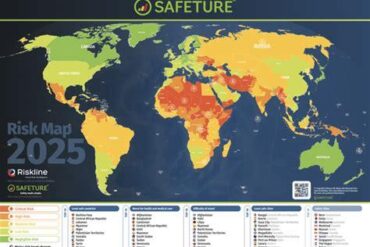
The HelloSafe Travel Safety Index meticulously analyzed thirty-five risk indicators, categorized into five primary areas: Natural Disaster Risk, Societal Violence, Armed Conflict, Health Infrastructure, and Militarization. Each nation received a score ranging from 0 to 100, with 0 representing the safest conditions and 100 reflecting the highest danger levels for tourists. In this index, the Philippines topped the chart with a score of 82.31, followed closely by Colombia at 79.21 and Mexico at 78.42. For context, India, which ranks fourth, recorded a score of 77.86.
Analyzing Mexico’s Travel Risks
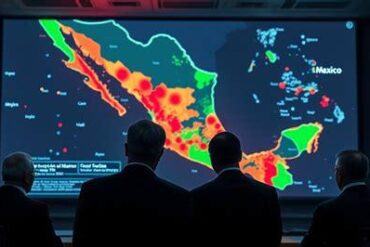
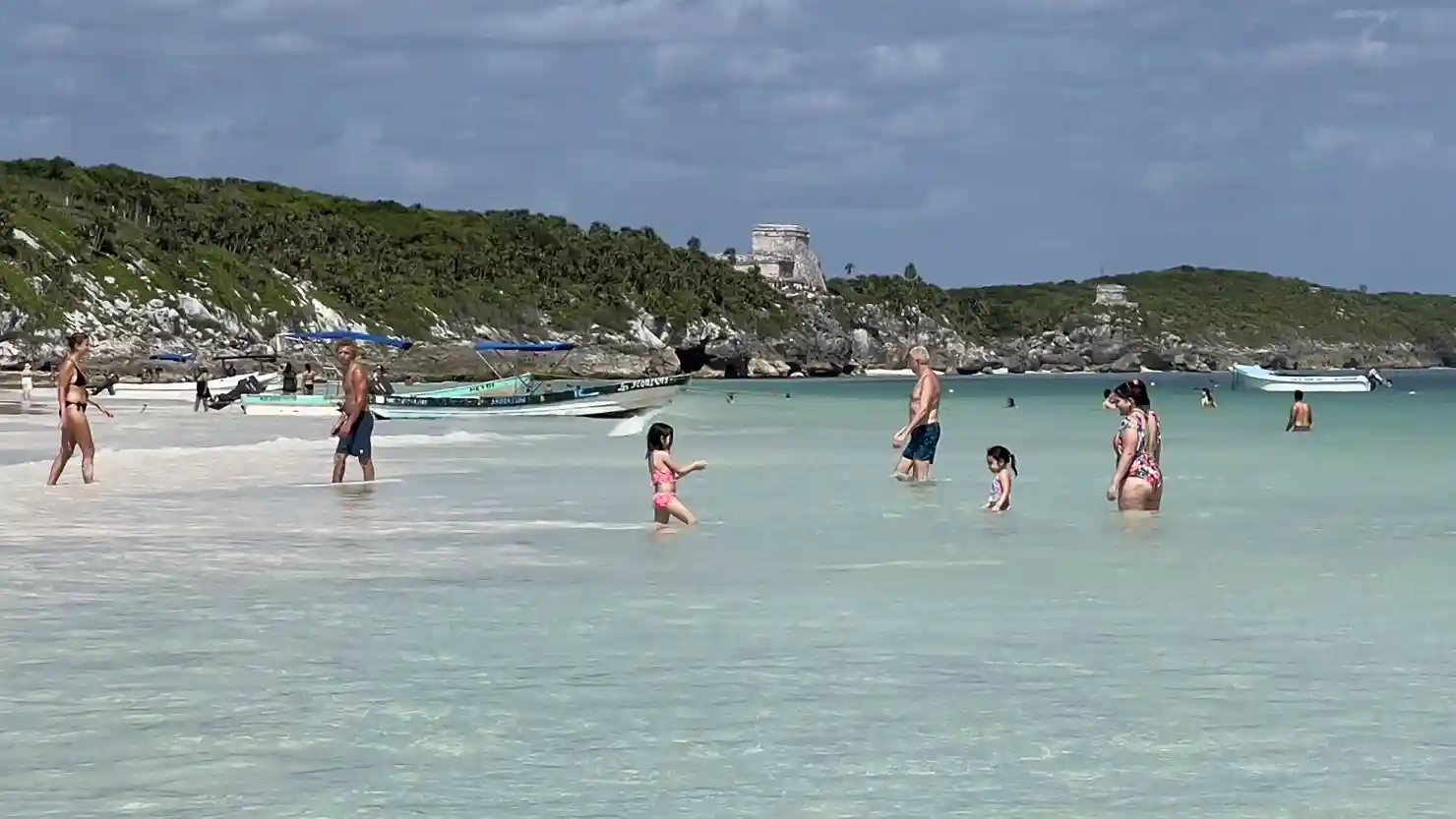
Mexico, renowned for its vibrant culture and stunning landscapes, is unfortunately grappling with significant safety issues that deter many potential visitors. The country’s challenges are largely attributed to cartel-related violence, which has escalated in recent years. Popular tourist destinations such as Cancun and Tulum, while seemingly safe, are not immune to the repercussions of organized crime, leading to sporadic violence that can endanger both locals and tourists alike.
In addition to the violence associated with drug cartels, Mexico also faces issues related to infrastructure inadequacies. Emergency services in several regions remain underfunded and poorly equipped, complicating rescue efforts during crises. Furthermore, natural disasters like hurricanes and earthquakes pose additional risks, particularly in coastal and mountainous areas. These factors contribute to Mexico’s high-risk score, highlighting the critical need for travelers to engage in thorough research and preparedness before embarking on a journey there.
The Philippines: Natural Disasters and Social Unrest
The Philippines, an archipelago known for its breathtaking beaches and rich biodiversity, ranks as the most dangerous country for travelers according to the HelloSafe index. With a staggering score of 82.31, the nation faces numerous challenges, including a high frequency of natural calamities such as typhoons, earthquakes, and volcanic eruptions. The geographical location of the Philippines makes it susceptible to these events, resulting in substantial risks for those visiting.
Moreover, the Philippines is also grappling with internal strife, particularly in regions such as Mindanao, where ongoing insurgencies and socio-political conflicts pose threats to safety. Reports of violence and civil unrest have raised concerns among travelers, leading to increased scrutiny and caution for those considering visiting the islands. The combination of natural disaster vulnerability and social unrest underscores the urgent need for tourists to remain vigilant and informed.
Colombia’s Ongoing Struggles with Violence
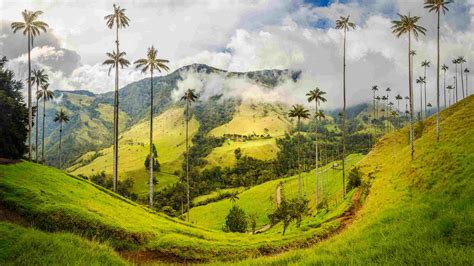
Colombia, once synonymous with drug cartels and violence, has made significant strides in improving its security landscape over the past few decades. However, the country still faces formidable challenges, ranking second in the global danger index with a score of 79.21. Despite advancements in peace processes, narcotics-related violence continues to plague certain regions, making travel risky for international visitors.
Areas such as Medellín and Bogotá have transformed into cultural hubs, attracting travelers with their vibrant atmospheres and rich histories. Nonetheless, the underlying issues of armed groups and gang violence remain prevalent, often spilling into public spaces. Travelers are advised to stay updated on local conditions and avoid specific neighborhoods known for high crime rates. Additionally, Colombia’s health infrastructure, particularly in rural regions, is often lacking, further complicating the safety dynamics for visitors.
India: A Complex Landscape of Challenges
India, ranked fourth on the global danger index, presents a multifaceted set of challenges for travelers. Scoring 77.86, the country grapples with issues ranging from societal violence, particularly against women, to inadequate healthcare facilities in rural areas. High-profile incidents, such as attacks on tourists, have garnered international attention, raising alarms about safety for foreign visitors.
The healthcare infrastructure in India is highly variable; while major cities boast advanced medical facilities, access to quality care diminishes significantly in rural regions. This discrepancy becomes critical during emergencies, where timely assistance may be unavailable, leaving travelers vulnerable. Furthermore, India’s susceptibility to natural disasters, including floods and earthquakes, adds another layer of risk that travelers must consider when planning their journeys.
Global Context: Safety in Numbers
While the focus of the HelloSafe index is on the aforementioned countries, it’s essential to recognize that they are not alone in facing safety challenges. Countries like Russia, Yemen, Somalia, Mozambique, and Pakistan also rank within the top ten most dangerous destinations, each grappling with their unique combinations of violence, conflict, and health infrastructure issues. However, the stark reality for travelers is that regions experiencing violence or instability can lead to dire consequences, significantly affecting their travel experiences.
The HelloSafe index serves as a wake-up call for travelers, emphasizing the importance of being well-informed and prepared. While it is crucial to understand the risks associated with traveling to these countries, potential visitors are encouraged to balance their perceptions with the rich cultural experiences and beauty these destinations offer.
Conclusion: Navigating the Risks
The alarming findings of the HelloSafe Global Safety Index prompt serious reflection for travelers considering trips to Mexico, the Philippines, and Colombia. While these countries present considerable challenges in terms of safety, they also offer unparalleled experiences that attract millions of visitors each year. The key to a successful journey lies in informed decision-making, proactive planning, and remaining vigilant throughout the travel experience.
As international tourism rebounds, it is imperative for travelers to prioritize their safety by staying updated with official advisories, choosing reputable accommodations, and remaining aware of their surroundings. Ultimately, the allure of these destinations can still shine through, provided that travelers approach their adventures with caution and respect for local circumstances.