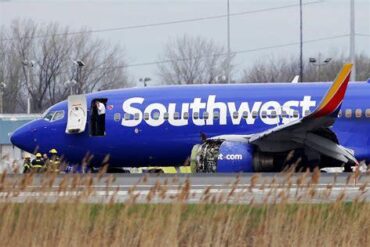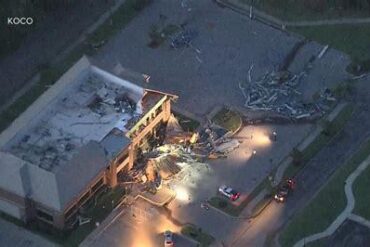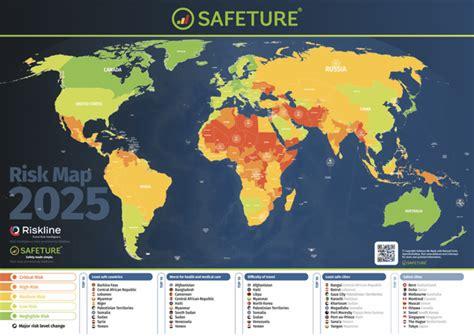
The first half of 2025 has unfolded with a devastating string of aviation disasters, shaking global confidence in air travel and raising the specter of travel warnings for passengers flying through major hubs such as Hong Kong, South Sudan, Ahmedabad, and Toronto. A wave of mishaps tied to carriers including Air India, Air Busan, Delta, Aerolínea Lanhsa, and Tropic Air has reignited scrutiny on airline safety, emergency protocols, and airport infrastructure across continents.
Aviation in Crisis: A Deadly Start to the Year
In January 2025, disaster struck early as Air Busan Flight 391, an Airbus A321 en route to Hong Kong, caught fire on the taxiway at Gimhae International Airport in South Korea. While no lives were lost, the emergency evacuation injured seven people, exposing critical lapses in ground safety and fire response coordination.
Just a day later, tragedy descended in South Sudan, where a Beechcraft 1900D operated by Light Air Services crashed shortly after takeoff from Unity Airstrip. With 20 fatalities and one critically injured survivor, the crash cast a harsh spotlight on fragile aviation infrastructure in regions plagued by limited emergency services and political instability.
Adding to the horror, a mid-air collision near Washington, D.C. claimed the lives of 67 individuals when a PSA Airlines regional jet and a U.S. Army Black Hawk helicopter collided over the Potomac River. This incident raised alarming questions about air traffic coordination, especially in high-security urban zones.
Another incident, involving a Learjet 55 operating as Med Jets Flight 056, resulted in six fatalities when it crashed into a mixed-use area near Philadelphia. The combination of mechanical failure and urban proximity amplified calls for better risk evaluation in air ambulance operations.
February’s Perilous Skies: Remote Regions and Harsh Weather
February 2025 was no relief. On February 6, Bering Air Flight 445, a Cessna 208B Grand Caravan EX, vanished en route from Unalakleet to Nome, Alaska. All 10 on board perished. Found in Norton Sound, the wreckage emphasized the lethal impact of winter flying in remote geographies where search-and-rescue missions face delay and difficulty.
In Canada, Delta Connection Flight 4819 attempted a landing in turbulent conditions at Toronto Pearson International Airport. The aircraft flipped upside down after its right landing gear collapsed, injuring 21 people. The structural failure highlighted critical gaps in landing training and component endurance in adverse weather.
March’s Caribbean Catastrophe: Regional Airlines Under Fire
On March 17, Aerolínea Lanhsa Flight 018 met a tragic fate in the Caribbean Sea after a takeoff mishap from Roatán Island, Honduras. The British Aerospace Jetstream 32 failed to climb and plunged into the water, killing 13 of 18 onboard, including a beloved Honduran musician. The preliminary mechanical fault adds weight to increasing pressure on smaller airlines to adopt stricter maintenance protocols.
April Devastation: Urban Airspace Incidents
April brought a disturbing twist with an urban helicopter crash. A Bell 206L-4 LongRanger IV from New York Helicopter disintegrated mid-air over the Hudson River, claiming six lives. The rotor separation raises major concerns about sightseeing flight regulation and the inherent risks of crowded metropolitan airspace.
Even more shocking, a hijacking aboard Tropic Air Flight 711 turned violent mid-flight over Belize. Although passengers managed to subdue the attacker and the flight landed safely, one passenger was fatally shot and two others wounded. This rare regional hijack forced immediate revisions in security screening across Central American airports.
May Turbulence: Private Aviation Hazards and Weather Risk
May 22 witnessed the horrifying crash of a Cessna 550 Citation II in San Diego, during a fog-heavy landing attempt. With six dead and multiple injuries on the ground, the incident is a grim reminder of how weather misjudgments and approach miscalculations in general aviation often lead to devastating outcomes.
June’s Dual Tragedy: India’s Worst Crash and Skydiving Scare
In what is now marked as India’s most catastrophic aviation event in decades, Air India Flight 171, a Boeing 787-8 Dreamliner, crashed minutes after departing Ahmedabad International Airport on June 12, 2025. The impact devastated a local neighborhood, killing 241 passengers and 38 people on the ground. This national tragedy has triggered sweeping investigations by the Aircraft Accident Investigation Bureau (AAIB), and led to immediate suspension of select long-haul routes pending fleet reinspection.
On June 8, in Tullahoma, Tennessee, a DHC-6 Twin Otter involved in a skydiving operation crashed post-takeoff. Though no fatalities occurred among the 17 skydivers and 3 crew, six people sustained injuries, prompting calls for tighter maintenance schedules and revised weight-and-balance checks on aircraft used in high-cycle sports tourism.
A separate June 8 crash off San Diego’s coast involving a Cessna 414 Chancellor resulted in six fatalities and remains under active investigation. Initial reports suggest issues with aircraft weight distribution and climb performance.
Airline Accountability and Global Reaction
As details unfold, the responsibility placed on Air India, Delta, Air Busan, Tropic Air, and Aerolínea Lanhsa intensifies. Public confidence is eroding, especially among frequent flyers, corporate clients, and international tour operators.
Key global aviation authorities including the FAA, ICAO, and EASA have begun safety audits, and regulators in India, South Korea, and Central America have issued provisional suspensions and route-specific travel warnings.
Heightened Passenger Anxiety and Travel Warnings
The wave of incidents has forced the hand of foreign ministries and aviation bureaus, particularly in Canada, India, and the United States, to issue advisories against non-essential travel through high-risk hubs. Some travel insurers have revised their coverage terms or introduced premium surcharges on policies involving flagged airlines or unsafe routes.
Meanwhile, social media has amplified passenger fears, with footage of panicked evacuations, mid-air turbulence, and smoke-filled cabins going viral across platforms. Travel forums reflect heightened caution among frequent business travelers and digital nomads, especially those routing through Southeast Asia, East Africa, or Latin America.
Global Aviation Industry at a Crossroads
The period from January to June 2025 is now considered one of the most catastrophic six-month spans in recent aviation history. The sharp escalation of accidents has revealed systemic vulnerabilities—not just in aircraft technology or pilot training—but in airspace deconfliction, airport safety coordination, and cross-border communication.
With air travel demand recovering post-pandemic, airlines are under pressure to maintain schedules, often stretching aircraft usage and ground crew capacity to critical limits. The consequences of such operational strain have now become painfully visible.
As international regulators convene for emergency summits and airlines begin to re-evaluate their Standard Operating Procedures (SOPs), passengers must navigate an increasingly complex and anxiety-ridden sky. The ultimate question looms large: Is global aviation prepared for the future’s scale of demand and complexity?
The Path Forward: Restoration and Vigilance
Rebuilding public trust will require a multipronged effort involving rigorous inspections, transparency in investigations, and firm consequences for safety breaches. Airlines implicated in recent disasters must prioritize fleet audits and rebuild credibility through open communication and verifiable action.
Airspace authorities need to fast-track deployment of next-generation traffic management systems, especially near urban centers and conflict-prone territories. Newer AI-assisted early warning systems, redundant avionics, and cross-border cooperation frameworks could make the difference between tragedy and timely intervention.
In the meantime, travelers should stay informed, scrutinize their airline choices, and remain vigilant about safety credentials—a precaution that might spell the difference between a safe journey and a catastrophic failure.