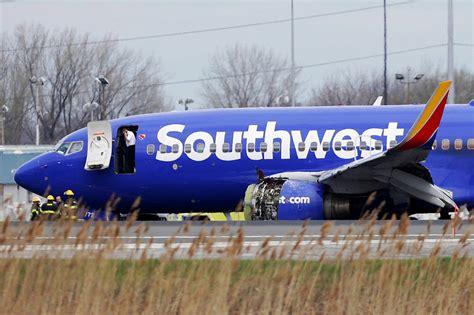
As runway safety becomes one of the most urgent priorities in modern aviation, Southwest Airlines has taken a decisive leap ahead of the curve. In an era marked by a troubling increase in near-miss incidents and operational hazards, the airline has begun deploying cutting-edge cockpit alert systems across its entire fleet—an aggressive push to modernize cockpit awareness and protect lives on the ground and in the air.
Rising Risks Prompt Immediate Action
The decision by Southwest to retrofit its entire fleet of over 700 Boeing 737 aircraft with Honeywell’s SmartRunway and SmartLanding systems is not a mere upgrade—it’s a reaction to a spiraling threat landscape. Over the past 12 months, the Federal Aviation Administration (FAA) has reported more than two dozen serious runway incursions, many involving large commercial jets. These include unnervingly close calls such as the March 2025 incident in Orlando, where a Southwest aircraft mistakenly attempted to depart from a taxiway, and a sun-glare-induced mishap at Chicago Midway just weeks earlier.
These events are no longer outliers. Post-pandemic air traffic has surged, intensifying congestion in U.S. airspace and pushing aging airport infrastructure to its limits. Communication breakdowns, tight turnaround times, and unpredictable weather patterns have combined to reduce pilots’ margin for error to mere seconds.
The Tech Behind the Transformation
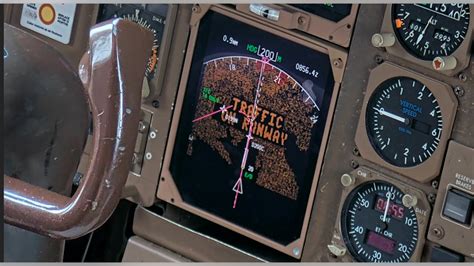
At the heart of this initiative lies Honeywell’s Enhanced Ground Proximity Warning System (EGPWS), which powers both SmartRunway and SmartLanding. These systems go far beyond traditional auditory cues. They create a digital safety net that continuously monitors aircraft position, speed, descent angles, and runway alignment—responding instantly when something goes wrong.
During critical flight phases such as taxi, takeoff, and landing, the cockpit receives real-time audio and visual alerts if:
- The aircraft approaches a wrong runway
- The descent is too steep or too shallow
- Taxi speeds exceed safety thresholds
- Approach paths are misaligned
The immediate goal? Prevent catastrophes before they unfold. It’s a similar concept to collision-avoidance systems in automobiles—anticipating danger, not just reacting to it.
A System Built for Split-Second Decision Making
Airline pilots already navigate a labyrinth of decisions, often under crushing time constraints. With crowded skies and constrained airport layouts, even a momentary lapse in awareness can spiral into tragedy. That’s why systems like SmartRunway are not only groundbreaking—they’re life-saving companions to human pilots.
Southwest’s deployment of this tech demonstrates a critical understanding: when every second matters, automation isn’t about replacing pilots—it’s about empowering them. These systems offer an additional layer of cognitive support, serving as tireless co-pilots that don’t blink, get distracted, or falter under pressure.
Passenger Confidence and Perception
Beyond operational safety, this technology shift plays directly into public sentiment. In an age where aviation headlines often scream about close calls and chaotic landings, traveler anxiety is at an all-time high. Every safety announcement, every unexpected delay, and every moment of turbulence now carries the weight of recent memory.
Southwest’s message is both strategic and human: “We are listening.” By investing in cockpit alert technologies, the airline signals a shift from reactive risk management to proactive safety leadership. For passengers, this translates to tangible peace of mind—a quiet assurance that their flight is being guided not only by experienced pilots but by intelligent systems constantly scanning for danger.
Industry Impact and the New Safety Benchmark
The implications of this rollout are industry-wide. As Southwest embraces this new safety paradigm, the pressure on competitors grows. Other major carriers will inevitably face public and regulatory scrutiny if they fail to match or exceed this new baseline.
It also sends a powerful signal to regulators and stakeholders: private enterprise is moving faster than federal infrastructure. At places like Newark International Airport, where aging control towers and communication systems lag far behind modern aircraft, Southwest’s self-initiated tech upgrades shine an unflattering spotlight on government inertia.
And while the FAA continues to explore long-term fixes—from AI-driven air traffic management to satellite-based navigation—Southwest is taking matters into its own hands right now.
Behind the Strategy: Loyalty Through Leadership
Southwest’s investment in SmartRunway and SmartLanding is not just about technology—it’s a calculated brand move. Customer loyalty in modern aviation is no longer built solely on low fares or frequent flyer perks. Safety leadership is the new premium offering.
Passengers today want transparency, action, and trust. By being first out of the gate, Southwest earns reputational capital that resonates beyond the booking engine. It positions the airline as a safety-first pioneer, a brand that doesn’t wait for FAA mandates or tragic wake-up calls.
Moreover, this move dovetails with industry-wide trends. Global spending on aviation predictive analytics and machine-assisted safety tools is surging. Airlines that adopt early can better weather future turbulence—literal and metaphorical.
The Role of Predictive Safety in Aviation’s Future
The aviation landscape is entering a new phase—one where predictive technologies will redefine risk management. From real-time weather pattern analysis to AI-driven air traffic rerouting, the skies of tomorrow will be navigated by algorithms working in tandem with human expertise.
Cockpit alert systems are the vanguard of that shift. They exemplify what’s possible when machine learning and safety logic intersect with aviation discipline. For Southwest, it’s not just a bet on technology. It’s a bet on longevity, relevance, and responsibility.
A New Era in the Cockpit
The cockpit of a commercial jetliner has always been a realm of control, precision, and pressure. But now, with SmartRunway and SmartLanding, it also becomes a zone of anticipatory intelligence. Pilots are no longer flying solely by experience and ground instructions—they are backed by systems that know what’s coming before it’s seen.
Whether it’s a short runway under foggy conditions or a misheard clearance from ground control, Southwest crews now have digital partners on board—watchful, unyielding, and always ready to intervene.
Conclusion: The Sky Is No Longer the Limit
As Southwest Airlines rewires its cockpits for a smarter future, one thing becomes clear: the future of air travel won’t be written in marketing slogans or fuel efficiency figures. It will be written in safe arrivals, prevented tragedies, and confident passengers.
Technology won’t replace pilots. But it will enhance their judgment, augment their reflexes, and expand the precious seconds they need to make the right choice.
In an industry where lives are measured in minutes and margins, Southwest’s decision to unleash breakthrough cockpit alert tech is more than just news—it’s a blueprint. One that tells the world: safety doesn’t wait. And neither will we.