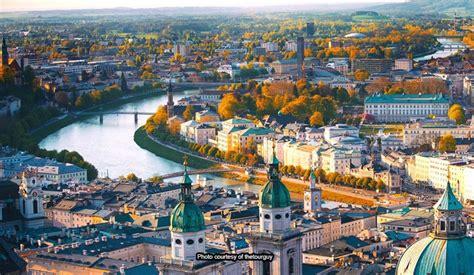
In the 2025 Global Liveability Index, several countries, including Canada, Japan, Australia, New Zealand, Switzerland, Denmark, and Austria, continue to demonstrate their commitment to providing exceptional living environments for their citizens. The index evaluates cities based on criteria such as healthcare systems, infrastructure, stability, and a strong emphasis on sustainability. This year, a significant shift has occurred as Copenhagen, Denmark, ascends to the top of the rankings, overtaking Vienna, Austria. This article explores the factors that contributed to this change and highlights why these countries excel in livability.
Copenhagen: Leading the Charge in Urban Excellence
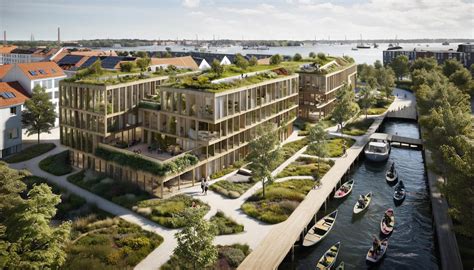
Copenhagen’s rise to the top of the Global Liveability Index is a testament to its holistic approach to urban living. Known globally for its sustainability initiatives, the city has made substantial strides in enhancing the quality of life for its residents. With an extensive network of cycling lanes, efficient public transportation, and numerous green spaces, Copenhagen has cultivated an environment that balances modern amenities with ecological mindfulness. The city’s commitment to social welfare and work-life balance further enriches the living experience, making it a model for urban centers worldwide. The innovative urban planning strategies employed by Copenhagen have set a new benchmark for cities aiming to enhance their livability, demonstrating that sustainability can coexist with urban development.
Vienna: A Historic Contender
Vienna, which previously held the top spot for three consecutive years, now shares the second position with Zurich, Switzerland. Despite experiencing a slight decline in its stability score, Vienna remains an exemplary model of livability, excelling in healthcare, education, and public services. The city’s rich cultural heritage, coupled with its stunning architecture, creates a unique atmosphere where history meets modernity. With a robust focus on social housing and high-quality public services, Vienna continues to attract residents seeking a blend of cultural richness and contemporary living. The city’s vibrant arts scene and exceptional public amenities ensure that it remains a leading destination for those seeking an enriching urban experience.
Zurich: The Swiss Model of Prosperity
Zurich, Switzerland’s financial hub, shares the runner-up position with Vienna, showcasing its own distinct advantages. Renowned for its meticulous urban planning, the city boasts an efficient public transport system and a clean, safe environment. Zurich excels in marrying economic prosperity with sustainable living, offering its residents a high standard of living characterized by excellent public services and a low crime rate. Nestled beside Lake Zurich and surrounded by the majestic Swiss Alps, the city provides a perfect harmony of urban sophistication and natural beauty, making it a desirable location for both business and leisure.
Melbourne: The Southern Hemisphere’s Jewel
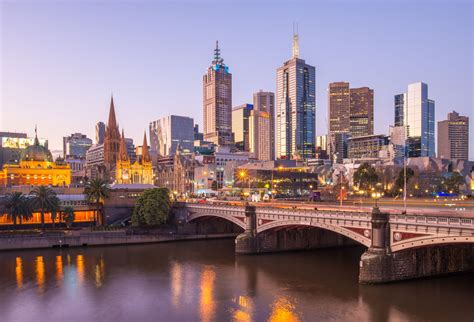
Melbourne, representing Australia in the top tier of the index, stands out as the highest-ranking non-European city. This vibrant metropolis is celebrated for its diverse cultural scene, rich food culture, and thriving arts community. Melbourne ranks highly for its educational institutions and infrastructure, which contribute significantly to its livability score. The city’s commitment to sustainability and multiculturalism enhances its reputation as a dynamic urban center, attracting individuals from around the globe. With its temperate climate, extensive green spaces, and high-quality healthcare, Melbourne remains an attractive destination for residents and visitors alike, embodying a lifestyle that harmonizes urban vibrancy with environmental consciousness.
Geneva: The Diplomatic City
Geneva, another Swiss entry in the top ten, claims the fifth position in the Global Liveability Index. Known for its international diplomatic presence, Geneva offers a unique blend of global influence and local charm. The city excels in healthcare, education, and public transportation, contributing to its high livability ranking. Located on the shores of Lake Geneva and surrounded by breathtaking mountains, Geneva’s scenic beauty complements its robust urban infrastructure. The multicultural environment, alongside a strong commitment to sustainability, makes Geneva an appealing destination for those seeking an exceptional quality of life in an urban setting.
Sydney: Australia’s Iconic Metropolis
Sydney secures the sixth position in the rankings, reinforcing Australia’s strong showing in global livability. The city is renowned for its iconic landmarks, such as the Sydney Opera House and the Sydney Harbour Bridge, which attract millions of visitors each year. Sydney’s vibrant arts scene, coupled with its proximity to stunning beaches, provides residents with a unique lifestyle enriched by cultural and recreational opportunities. The city’s well-developed public transportation system and emphasis on maintaining a healthy work-life balance further contribute to its residents’ overall quality of life. With its diverse population and abundant outdoor activities, Sydney embodies a dynamic urban atmosphere, set against the backdrop of breathtaking natural landscapes.
Osaka: Japan’s Urban Excellence
Osaka, ranking seventh, exemplifies Japan’s dedication to achieving urban excellence. The city is distinguished by its efficient public transport system, robust healthcare services, and a strong focus on safety. Known for its vibrant culinary culture, particularly its famous street food, Osaka combines modern urban planning with rich cultural traditions. The city’s technological advancements and emphasis on community harmony enhance its livability, making it a model for other Asian cities striving for improvement. Osaka’s unique character, paired with its commitment to sustainability and quality of life, showcases the potential for urban areas to thrive in harmony with their cultural heritage.

Auckland: New Zealand’s Sustainable City
Auckland secures the eighth spot in the rankings, highlighting New Zealand’s emphasis on sustainable urban development and an exceptional quality of life. Known for its relaxed lifestyle, Auckland features ample green spaces and easy access to outdoor activities, making it an attractive destination for those who value nature and community. The city’s commitment to environmental sustainability, along with its burgeoning reputation as a technology hub, enhances its appeal to a diverse range of residents. Auckland’s multicultural communities and focus on cultural inclusion further enrich the urban experience, creating a dynamic environment that fosters innovation and collaboration.
Adelaide: A Hidden Gem
Adelaide ranks ninth, solidifying Australia’s prominence in the liveability index. The city is characterized by its cultural vibrancy, affordable living, and high-quality public services. Its close proximity to renowned wine regions and scenic natural attractions allows residents to enjoy the best of both urban and regional life. Adelaide’s commitment to sustainability and the arts, coupled with its manageable size, ensures a comfortable living environment for its inhabitants. The city’s emphasis on community engagement and local culture adds to its unique charm, making it an appealing choice for individuals and families alike.
Vancouver: A North American Leader
Vancouver, securing a place in the top ten, highlights North America’s robust presence in the global liveability rankings. Nestled amid stunning natural landscapes, Vancouver offers a harmonious blend of modern urban amenities and abundant outdoor activities. The city’s commitment to environmental sustainability, diverse cultural scene, and eco-friendly building practices significantly contribute to its high livability score. By effectively balancing economic growth with environmental preservation, Vancouver emerges as a prime model of sustainable urban development. Residents enjoy a high quality of life, benefiting from access to nature while also experiencing the vibrancy of urban living.
Conclusion: The Future of Urban Living
The 2025 Global Liveability Index illustrates that the most livable cities worldwide are those that successfully combine sustainability, robust infrastructure, and comprehensive social welfare systems. Copenhagen’s ascent to the top reflects the growing significance of eco-conscious urban planning and social well-being in shaping the future of urban environments. As cities like Vienna, Zurich, and Melbourne continue to innovate and adapt, the competition for urban supremacy propels them toward progress, ensuring better living conditions for their inhabitants. The ongoing efforts to enhance livability underscore the importance of creating environments where residents can thrive, fostering communities that are not only sustainable but also vibrant and inclusive.