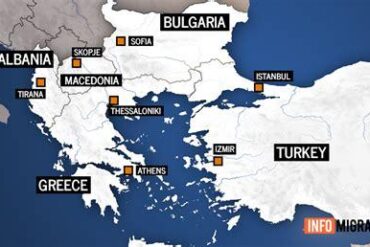
As Summer 2025 unfolds, a remarkable transformation is evident in the travel preferences of German tourists. Once heavily reliant on Turkey for affordable sun-soaked vacations, many Germans are now looking toward alternatives like Greece, Bulgaria, Egypt, and Cyprus. This shift underscores a broader trend emphasizing cost-efficiency, flexible travel options, and favorable climates, marking a significant departure from historical booking patterns.
Recent analyses from Germany’s travel agencies reveal a concerning trend for Turkish tourism. Bookings to Turkey have plummeted by 10% year-over-year, with the popular Turkish Riviera experiencing an even steeper decline of 12%. Despite aggressive last-minute discounts offered by Turkish hoteliers, the rising costs of accommodations, primarily driven by inflation, are discouraging holidaymakers who once viewed Turkey as a value destination. Consequently, many German travelers are rethinking their vacation plans, opting for more affordable yet equally appealing alternatives.
Greece: A Rising Star in Travel Destinations
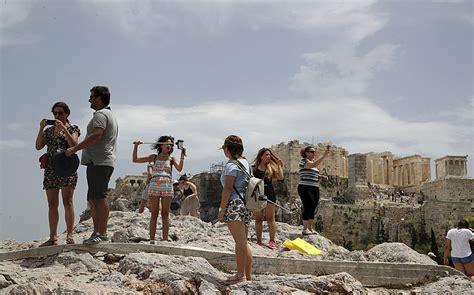
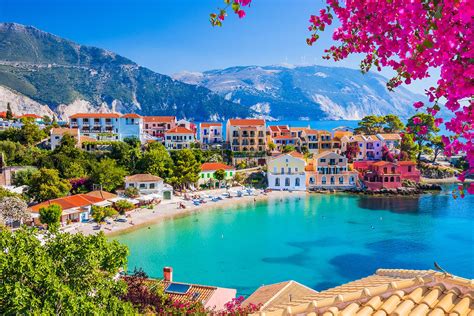
In stark contrast to Turkey’s decline, Greece is rapidly establishing itself as a premier destination for German travelers in 2025. Building on a robust performance from the previous year, Greece is enjoying a surge in bookings driven by its sun-drenched islands and rich historical sites. Tour operators are reporting high demand across various regions of the country, attributing this growth to Greece’s reliable weather, cultural richness, and stable pricing.
Unlike Turkey and Spain, which are currently grappling with downturns in tourism, Greece aligns perfectly with the evolving priorities of German travelers. These include not just value but also variety and meaningful experiences. Interestingly, despite ongoing global economic concerns, travelers are keen on maximizing the quality of their vacations. Early reservations and strategic planning are becoming increasingly common, with many securing promotional deals and family discounts well in advance. Greece appears to be the primary beneficiary of this trend, as average booking durations remain consistent even as travelers commit to trips further ahead.
Spain: Dominance Under Threat
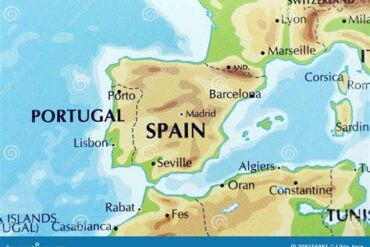
While Spain still captures the largest share of German holidaymakers, accounting for approximately 30% of all package bookings, its leading position is gradually eroding. Recent data indicates a 4% drop in year-on-year figures, suggesting that Spain’s dominance may not be as secure as it once was. The Canary Islands continue to attract winter travelers, while the Balearic Islands and various mainland resorts dominate the summer landscape.
However, increasing seasonal prices and a growing demand for budget-friendly alternatives are beginning to challenge Spain’s longstanding supremacy. For instance, a stay in Majorca currently averages around €141 per person per night, whereas destinations like Bulgaria’s Black Sea coast or Egypt’s Red Sea resorts provide comparable experiences for just above €110, making them far more appealing to cost-conscious families.
The Surge of Affordable Alternatives
Among the alternatives gaining traction, Bulgaria stands out with a remarkable 25% rise in German bookings, positioning itself as one of the fastest-growing destinations this summer. Following closely behind are Cyprus with 15% growth, Egypt at 12%, Poland with 9%, and France at 8%. These locations offer an enticing mix of affordability, dependable weather, and family-friendly amenities, resonating deeply with travelers who are increasingly conscious of financial pressures and shifting climate conditions.
Tunisia is also re-emerging as a viable option, particularly on the island of Djerba, where lower costs are drawing interest away from pricier Mediterranean rivals. As inflation continues to affect daily life in Germany, destinations that provide significant value without compromising on experience are gaining an upper hand.
Shifting Seasonality and Booking Trends
The concept of summer travel is evolving; it no longer strictly revolves around the peak months of July and August. A growing number of German tourists are opting for spring and autumn holidays, effectively avoiding the oppressive summer heat and over-tourism that has plagued Southern Europe. Between 2019 and 2024, bookings for October vacations increased by 25%, highlighting a notable shift toward shoulder-season travel. Tour operators are responding to this trend by expanding their offerings throughout a broader travel calendar, allowing for greater flexibility and choice.
Interestingly, summer 2024 reservations began as early as November 2023, with families eager to secure early deals and promotional offers. The average lead time before departure has now risen to 109 days, reflecting a 9% increase compared to the previous year.
Embracing Shorter Getaways
Another significant trend shaping the travel landscape in 2025 is the preference for shorter vacations. Over the past five years, the average duration of package holidays has decreased from 9.5 to 9.0 days. Instead of committing to a single extended trip, many Germans are opting for multiple short breaks throughout the year. This change reflects both evolving workplace flexibility and a growing desire for diverse experiences within tighter budgets. This shift towards shorter, more frequent travel also benefits less-visited destinations, helping to evenly distribute tourist traffic and reduce strain on traditional hotspots, thereby fostering a more sustainable travel experience overall.
Turkey at a Crossroads
Turkey’s tourism sector finds itself at a critical juncture. With demand from both German and Russian tourists—its two largest source markets—softening simultaneously, the implications for the industry could be profound. Although deep discounts have been implemented to entice back visitors, inflation and rising costs continue to dampen interest. However, not all is lost. The Aegean region appears to be holding its own, indicating that areas less reliant on mass tourism may still attract value-seeking travelers.
If Turkey can stabilize its pricing and consistently deliver quality, particularly in less-saturated regions, there remains potential for a turnaround. Yet, the current trend clearly indicates that German tourists are expanding their horizons beyond traditional favorites.
Looking Ahead: The Future of Travel in 2025
As Summer 2025 approaches, it is shaping up to be a season characterized by pragmatic choices. German travelers are increasingly prioritizing not just familiarity but also flexibility, affordability, and high-quality experiences. As the travel landscape evolves, destinations that align with these expectations are flourishing. Unless economic conditions change significantly, these new booking behaviors are likely to define travel trends for years to come. The emphasis on value, variety, and elevated experiences will continue to shape the preferences of discerning travelers navigating an ever-changing global landscape.