As geopolitical tensions surge across Israel, Iran, Russia, and Ukraine, the once predictable skies above these regions have turned perilously unstable. With missiles flying, borders shifting, and diplomacy faltering, international airspace is no longer merely a route — it has become a theatre of war. This is not hyperbole; commercial aviation now routinely intersects with active military zones, exposing travelers and airlines alike to escalating danger.
Civilian airspace, once a haven governed by predictable flight paths and air traffic control systems, is now fragmented by real-time military threats. Entire sectors are blacked out with little warning. Airlines reroute flights around volatile regions, sometimes mid-air. And for travelers, the implications are dire: higher costs, longer delays, rising cancellations, and the haunting uncertainty of flying through invisible battlegrounds.
Warfare Without Borders: How Global Conflicts Are Rewriting the Sky
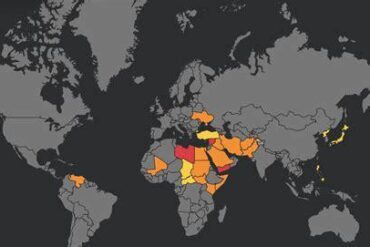
The Middle East, Eastern Europe, and parts of Asia and Africa are embroiled in intersecting crises, turning regional instability into a global aviation threat. Airlines are forced to avoid conflict corridors, sacrificing optimal flight routes in favor of safety-first detours that stretch across continents.
These adjustments come at a cost. Fuel consumption surges. Operating hours increase. And the carbon footprint of global aviation grows heavier. As governments issue urgent no-fly directives, the travel landscape becomes less predictable, more expensive, and more dangerous.
The Invisible Battlefield: Skies No Longer Safe for Civilians
What was once unthinkable is now increasingly common: civilian aircraft caught in the crosshairs of international conflict. The skies above conflict zones no longer offer protection through neutrality. Instead, they represent a zone of high-risk, where misidentification or stray fire can result in tragedy.
The era of ‘safe skies’ is over. Pilots, air traffic controllers, and military defense systems operate under extreme pressure. Even with modern surveillance and intelligence, split-second decisions can lead to fatal consequences. The rules of engagement are often unclear or misapplied, and the margin for error is devastatingly thin.
MH17 and the Wake-Up Call Over Ukraine
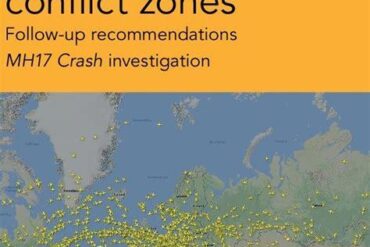
On July 17, 2014, Malaysia Airlines Flight MH17 was shot down by a surface-to-air missile over eastern Ukraine, killing all 298 on board. This incident was a seismic shock to global aviation. The aircraft was flying a standard, internationally approved corridor — yet it became a victim of a proxy war.
The MH17 disaster shattered assumptions about the safety of designated airspace. In the aftermath, airlines scrambled to redefine protocols. New risk assessments were implemented, but questions about real-time intelligence sharing and military coordination remained unresolved.
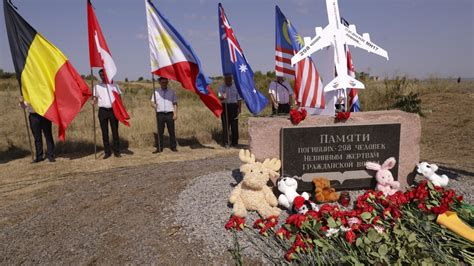
A History Written in Smoke: Aviation Disasters from Conflict Zones
The downing of MH17 was not an isolated case. In 1983, Korean Air Lines Flight 007 was destroyed by a Soviet fighter jet after straying into prohibited airspace. In 1988, the U.S. Navy mistakenly shot down Iran Air Flight 655, killing 290 civilians. More recently, in 2020, Ukraine International Airlines Flight PS752 was downed near Tehran amid rising U.S.–Iran tensions, killing all 176 aboard.
Each of these tragedies led to temporary reforms and worldwide outrage — but little structural change. These incidents form a grim pattern of negligence, miscalculation, and systemic failure. The response is always reactive, never preemptive.
New Frontlines in the Air: 2024 and Beyond
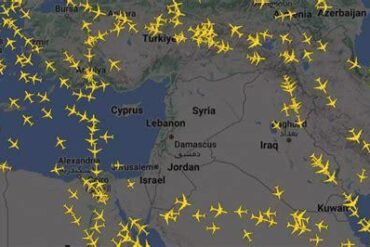
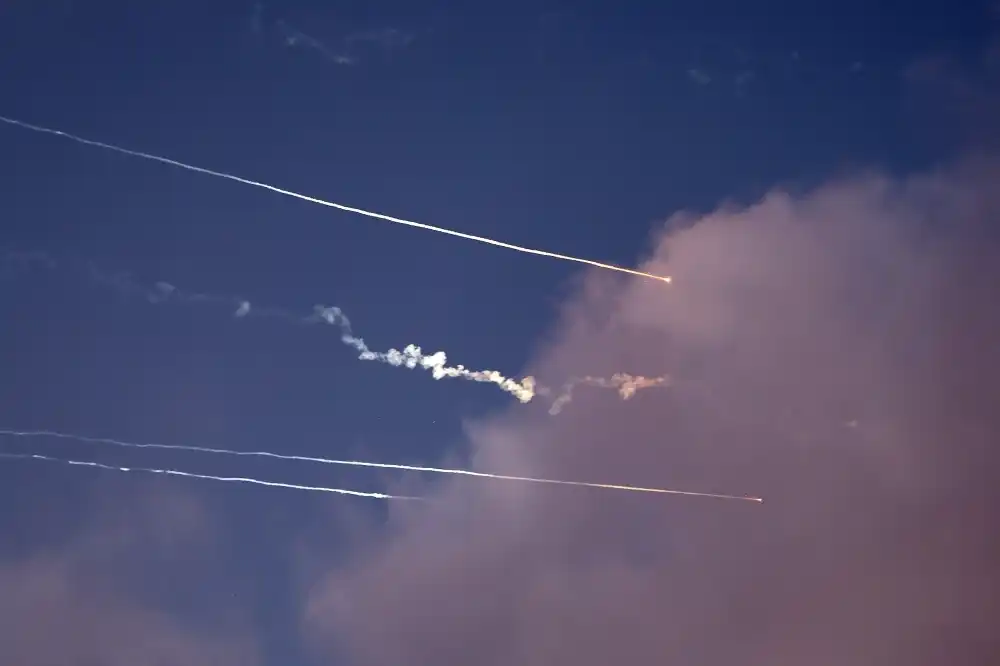
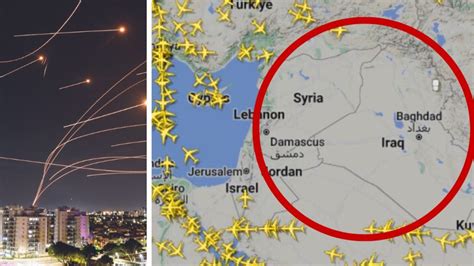
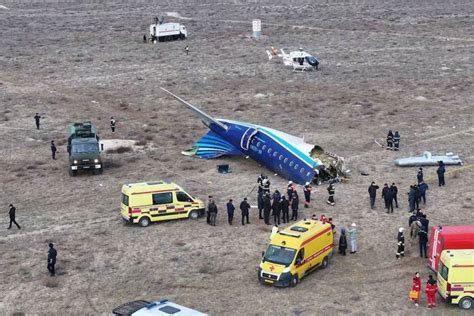
In late 2024, a new chapter unfolded when an Azerbaijan Airlines jet was struck while flying over Kazakhstan. Simultaneously, rising missile activity near Tehran, Tel Aviv, and Baghdad forced major carriers to halt operations and reroute flights around vast swaths of Middle Eastern airspace.
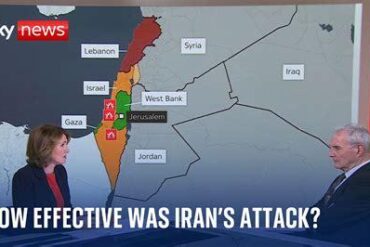
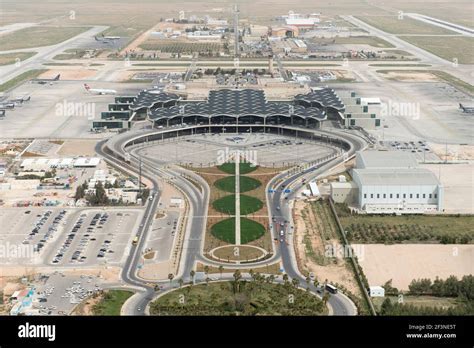
The Israel–Iran escalation has had a particularly disruptive effect. As drones and ballistic missiles crisscross the region, airlines from Europe, Asia, and the U.S. are opting to avoid not only Iran and Israel but also Iraq, Jordan, and surrounding air corridors. In some cases, entire flight corridors are erased overnight, forcing emergency reroutes over the Caucasus or Mediterranean.
Airline Industry in Crisis Mode: Real-Time Risk, Real-World Costs
Airlines are now reliant on real-time military intelligence to chart flight paths, working closely with national defense agencies. While this minimizes risk, it introduces operational complexity and volatile costs. Longer detours consume more fuel, increase crew hours, and lead to skyrocketing ticket prices.
The CEOs of major carriers, including Lufthansa, Emirates, and Singapore Airlines, have called for a unified, transparent system of aviation risk maps governed by the International Civil Aviation Organization (ICAO). Presently, there’s no universally enforced protocol — airlines must rely on national advisories that often conflict or lag behind events.
Travelers on the Front Line: Delays, Insurance, and Lost Trust
For global travelers, the fallout is immediate and personal. Canceled flights, rerouted journeys, and surging travel insurance claims are now the norm for regions near conflict zones. Confidence in international travel has dropped sharply, especially for destinations near the Middle East, Eastern Europe, and parts of South Asia.
Countries that depend on tourism — including Greece, Egypt, Jordan, and even Turkey — are suffering economically as visitors choose safer alternatives. Tour operators report increasing cancellations and demand for flexible itineraries.
Traveler Checklist: Navigating a World of Conflict
Every traveler must now adopt a risk-aware mindset. International travel is no longer simply about bookings and baggage — it’s about staying informed and prepared. Here are critical steps:
- Constantly check FCDO, U.S. State Department, or relevant foreign ministry advisories.
- Subscribe to airline and embassy alerts.
- Book with airlines offering flexible change and cancellation policies.
- Secure comprehensive travel insurance, including coverage for force majeure events.
- Be ready for detours, delays, and disruptions at any stage of the journey.
A Global Wake-Up Call: Failures in Coordination and Communication
The lessons of MH17, PS752, and Flight 655 are tragically consistent: lack of coordination between governments, military units, and airlines can lead to civilian catastrophe. These disasters highlight the urgent need for centralized no-fly zones, real-time threat assessments, and mandatory disclosure of risks to passengers.
Transparency is crucial. Airlines must be honest about known risks, and governments must not delay the dissemination of critical threat intelligence. Travelers have the right to know the real danger level of the airspaces their flights cross.
A New Travel Reality: Dynamic Bans, Airspace Lockdowns, and Unstable Borders
In early 2025, following Israel–Iran escalation, a growing number of countries — including New Zealand, the Maldives, and parts of Europe — began issuing new travel bans targeting the Levant, South Caucasus, and Gulf regions. This new reality means that airspaces and borders can close with no warning, leaving passengers stranded or rerouted thousands of kilometers away.
The emergence of ICE protests in the U.S. and unrest in Southeast Asia further complicates travel planning. Governments worldwide are re-evaluating not only where people can fly but also how airlines must adapt to future geopolitical shifts.

Conclusion: Flight in the Age of Conflict
Flying in 2025 is no longer a mere mode of transport — it’s a strategic gamble. The intersection of war and commercial aviation has created a hazardous, high-stakes environment. Passengers, airlines, and governments must all accept this new normal.
For the aviation industry, the path forward must include standardized protocols, real-time coordination, and transparent communication. For travelers, it means a shift in mindset — one that prioritizes safety over speed, and caution over convenience. The invisible battlefields above us are growing. Navigating them will require vigilance, flexibility, and resilience — every time we board a plane.