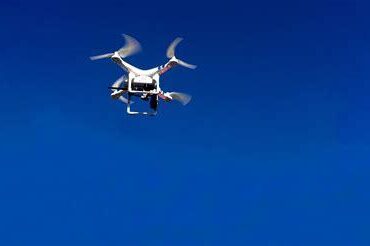
Drones have revolutionized the way we capture moments, explore landscapes, and engage with technology. New York City, with its architectural marvels, expansive parks, and coastal beauty, is a prime setting for drone enthusiasts. However, the city’s strict airspace regulations and congestion present unique challenges. To help navigate this complex terrain, we explore the best places to fly your drone in New York City, combining breathtaking scenery with legality and safety.
Understanding NYC Drone Regulations Before You Fly
Flying a drone in NYC isn’t as straightforward as in many other cities due to the complex web of Federal Aviation Administration (FAA) regulations, local ordinances, and airspace classifications.
Most of Manhattan is off-limits due to Class B airspace associated with LaGuardia and JFK airports. Instead, permitted drone zones are located in outer boroughs and designated AMA (Academy of Model Aeronautics) flying fields. Always check the FAA’s B4UFLY app or equivalent airspace maps before flying, and adhere strictly to altitude caps and safety protocols.
Tanner Park: A Hidden Gem on Long Island’s Great South Bay
Located at 400 Baylawn Ave, Copiague, NY 11726, Tanner Park is a picturesque site managed by the Town of Babylon. It’s ideal for drone pilots seeking a tranquil environment with varied scenery.
With its Class G airspace designation and a 400 feet altitude ceiling, Tanner Park provides a generous canvas for aerial exploration. The beachside views of Great South Bay, the marina, fishing docks, and lush picnic areas allow for stunning videography. Drone flights are permitted freely at Bay Beach, but it’s essential to verify permit requirements for other park zones before your visit.
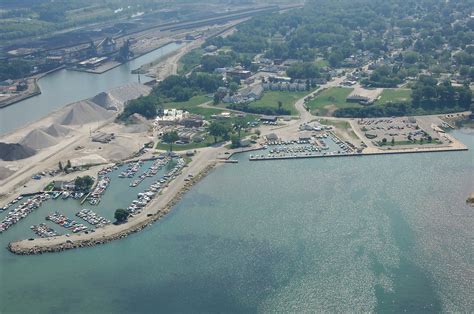
The open stretches and unobstructed horizon offer ideal flying conditions, especially during golden hour when the water reflects the changing colors of the sky.
Flushing Meadows-Corona Park: Queens’ Expansive Drone Haven
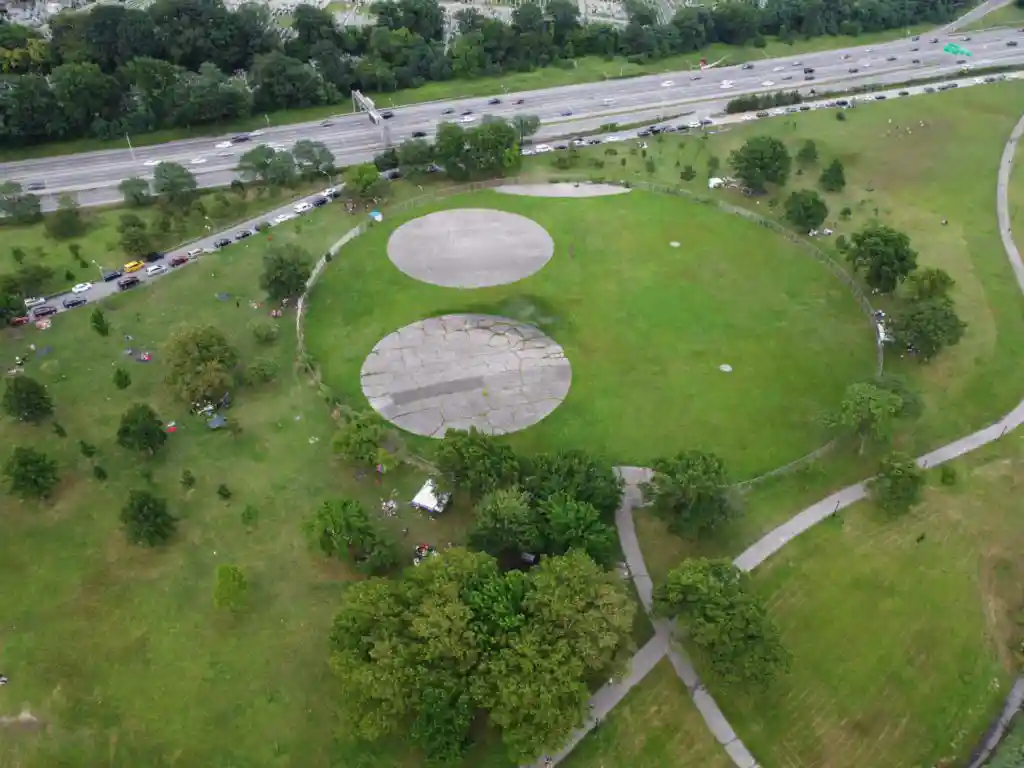
Flushing Meadows-Corona Park is the largest public park in Queens and a multifaceted destination with recreational, cultural, and aerial appeal. Coordinates: 40.739985, -73.841114.
Although located in Class B airspace, drone activity is restricted to a 100 feet maximum altitude. What makes this park stand out is the dedicated model aircraft field, which accommodates drone pilots with registered equipment and FAA authorization.
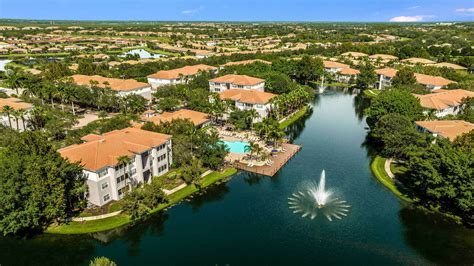
This park is a trove of iconic landmarks: the Unisphere, Meadow Lake, Queens Museum, and the USTA Billie Jean King National Tennis Center. These landmarks provide excellent visual content for cinematic flyovers.
Timing is key. Early mornings and weekdays tend to be quieter, offering drone pilots undisturbed conditions. Participation in local hobbyist communities like the New York Drone Pilot Facebook Group can enhance your access to tips and flight notices.
Marine Park: Brooklyn’s Premier RC and Drone Flight Zone
Tucked into southeastern Brooklyn lies Marine Park, specifically the field maintained by the Radio Control Society of Marine Park, situated at 40.604888, -73.934946. This drone-friendly field lies in Class B airspace but benefits from a 400-foot flight ceiling due to its sanctioned flying field status.
Flying here requires Academy of Model Aeronautics (AMA) membership, which adds a layer of community and accountability to your drone flying experience. The area is popular among RC enthusiasts and drone pilots, especially on weekends, when flight demonstrations and skill-sharing sessions create a vibrant atmosphere.
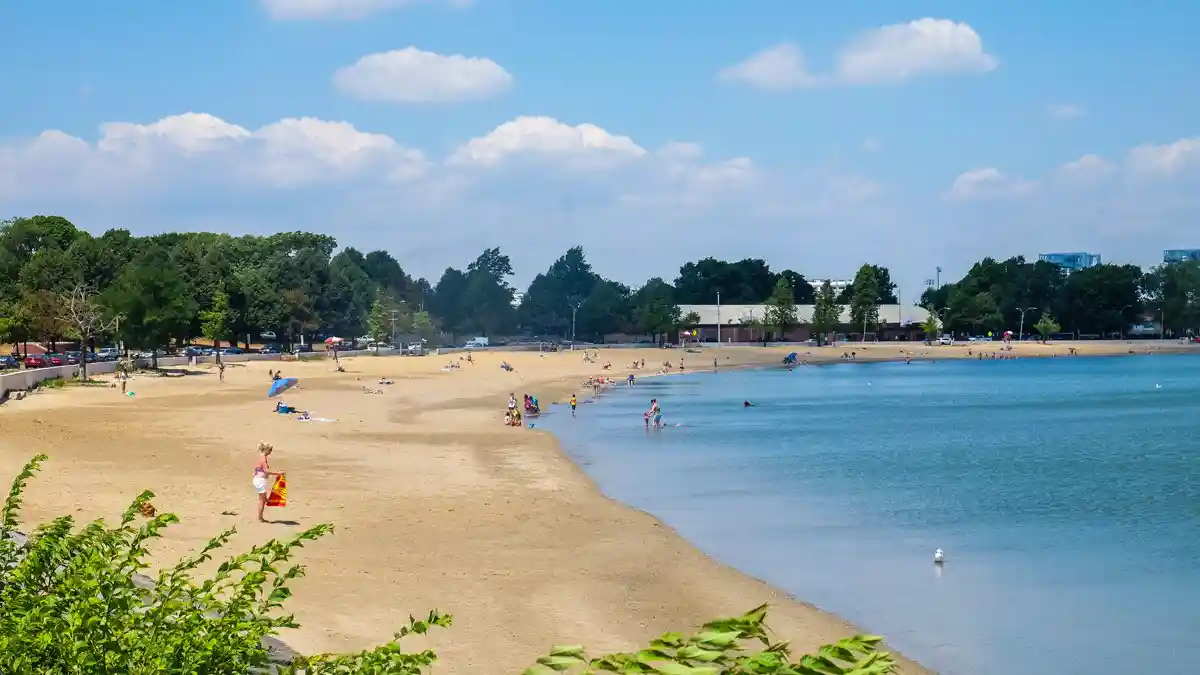
Marine Park’s coastal setting provides ample opportunities to capture sweeping panoramas of Jamaica Bay, wetlands, and adjacent golf courses. The consistent breeze off the water also aids drone stability and enhances flight performance.
Calvert Vaux Park: Brooklyn’s Coastal Drone Sanctuary
At Bay 44th St. & Hunter Ave, Brooklyn, NY 11214, Calvert Vaux Park is a quiet yet powerful presence in New York’s drone scene. Nestled near Coney Island Creek, the park is home to the Seaview Rotary Wings RC Flying Club and falls under Class G airspace with a 400 feet maximum altitude.
AMA membership is mandatory for flying here, but the process is simple and opens the door to multiple AMA-chartered flying sites nationwide. The park’s wide-open spaces, clear sightlines, and organized layout make it an ideal location for hobbyist and professional drone pilots alike.
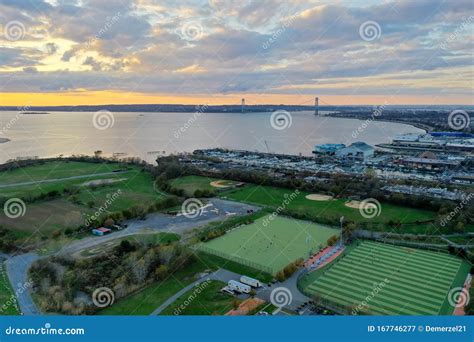
With its sweeping views of the waterfront, industrial shorelines, and inland greenery, Calvert Vaux offers an excellent blend of urban grit and natural scenery—ideal for both cinematic videography and aerial photography portfolios.
Etiquette and Best Practices for Flying in NYC
Flying in New York City is a privilege, not a right. Every drone operator must adhere to best practices and fly responsibly to ensure the long-term viability of these locations. Here are critical reminders:
- Always maintain visual line of sight (VLOS) with your drone.
- Respect the privacy of individuals—avoid flying over crowds or capturing identifiable images without consent.
- Stay clear of restricted areas, especially those near airports, stadiums, and critical infrastructure.
- Keep your remote ID active and functional in compliance with FAA regulations.
- Be courteous to other park users and avoid low flights near footpaths, picnic areas, or sporting zones.
Joining local drone clubs or groups provides valuable community oversight and helps you stay informed of changes in airspace policies or special flying events.
When to Fly: Seasonal and Time-of-Day Considerations
Timing your drone flights in NYC is essential to maximize both visual impact and compliance. Weather, crowds, and natural lighting vary widely across seasons:
- Early mornings in spring and fall are ideal, offering calm winds, soft light, and fewer people.
- Winter flights can deliver crisp, frost-laced imagery, though battery life diminishes rapidly in cold weather.
- Summer weekends may bring high foot traffic, making early weekday mornings a better choice.
Golden hour—the period shortly after sunrise or before sunset—provides warm, flattering light and long shadows, enriching the detail and drama in your footage.
Recommended Equipment for Urban Drone Flights
Not all drones are built for the intricacies of flying in an urban environment like New York. We recommend:
- DJI Air 3 or Mini 4 Pro: Lightweight, portable, with excellent camera quality and obstacle sensors.
- Skydio 2+: For autonomous flying and obstacle avoidance in cluttered park environments.
- ND Filters: Crucial for controlling exposure and capturing cinematic footage during sunny days.
- High-Capacity Batteries: Given the limited availability of charging stations, carrying spares is essential.
- Propeller Guards: Especially recommended when flying in areas where people or structures are nearby.
Final Thoughts: Elevate Your NYC Drone Experience
New York City offers a rare fusion of urban complexity and natural beauty, waiting to be explored from above. While airspace restrictions are tight, dedicated flying zones like Tanner Park, Flushing Meadows, Marine Park, and Calvert Vaux provide exceptional access to this vibrant aerial landscape. With proper planning, legal compliance, and a spirit of respect for others, drone pilots can capture the soul of the city in ways that ground-based photography simply cannot.
Stay informed, stay safe, and let your drone’s perspective unveil New York in its most exhilarating dimensions.