The sub-250 gram drone category has quickly become one of the most competitive and innovative segments in consumer UAV technology. Designed to offer the perfect balance between performance and portability, drones in this category avoid certain regulatory burdens in many regions, including registration requirements and pilot certifications. Among these ultra-lightweight models, one name consistently rises above the rest: the DJI Mini 3 Pro. But is it truly the best drone under 250 grams? Let’s unpack the details with precision.
What Makes Sub-250 Gram Drones So Popular?
Sub-250g drones are favored by both beginners and seasoned pilots for several compelling reasons. Weight regulations play a major role. In countries like the United States, drones under 250 grams do not require FAA registration for recreational use, providing an attractive entry point for casual flyers.
Beyond legal considerations, these featherweight aircraft deliver surprising capabilities:
- Portability – Easily fits in a backpack, jacket pocket, or even a belt pouch.
- Stealth and discretion – Lighter drones make less noise and attract less attention.
- Extended battery life – Lower weight equals more efficient flight time.
- Ease of operation – Most sub-250g drones are tuned for stability and user-friendliness.
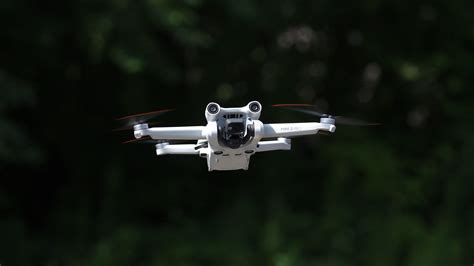
DJI Mini 3 Pro: The Flagship Featherweight
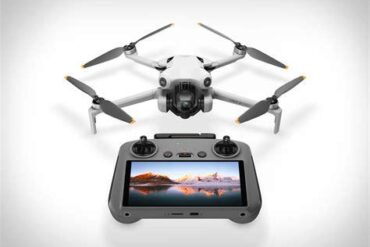
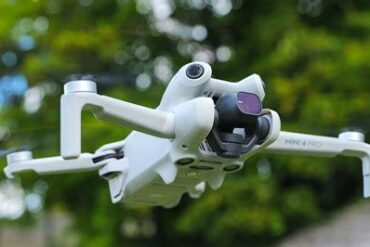
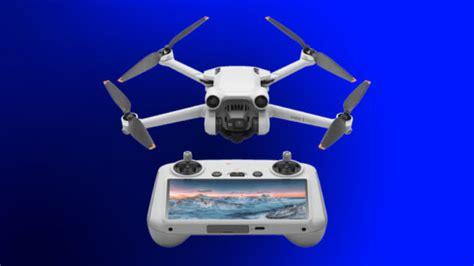
The DJI Mini 3 Pro is widely acclaimed as the pinnacle of sub-250g drone engineering. Released as an upgrade to the Mini 2, it bridges a critical gap between lightweight convenience and pro-level features.
Key Specifications:
- Weight: 249 grams (with standard battery)
- Camera: 1/1.3” CMOS sensor
- Photo resolution: Up to 48MP (Quad Bayer)
- Video capabilities: 4K at 60fps
- Flight time: Up to 34 minutes
- Obstacle avoidance: Tri-directional (forward, backward, downward)
- Transmission system: DJI O3 (up to 12km range)
- Vertical video: True vertical shooting with camera rotation
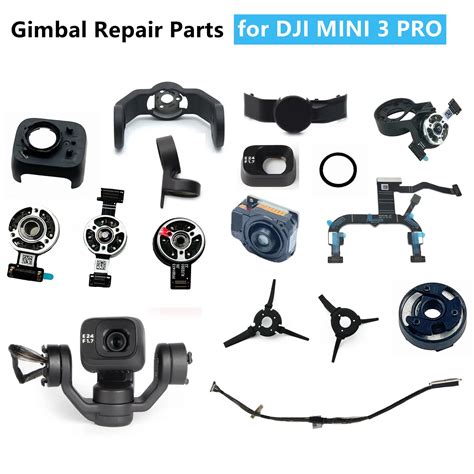
What sets it apart isn’t just the checklist of specs, but how harmoniously they work together. The Mini 3 Pro’s gimbal stabilization is exceptionally smooth, making it a favorite among aerial photographers and videographers. It’s also one of the very few drones in this category with tri-directional obstacle sensors, a feature often reserved for heavier, more expensive models.
Camera Quality: Going Beyond the Numbers
The Mini 3 Pro uses a Quad Bayer image sensor, which processes 12MP native resolution images and interpolates them into 48MP photos. This means that while you may not get the full dynamic range of a true 48MP sensor, the results are shockingly crisp and detailed for such a small drone.
It also supports HDR video and 10-bit D-Cinelike color, features highly desired by content creators for professional post-processing. The inclusion of a true vertical camera orientation makes it ideal for shooting reels and TikToks without cropping—no other drone under 250g does this as seamlessly.
Flight Performance and Stability
Even in moderately windy conditions, the DJI Mini 3 Pro maintains impressive flight stability. Thanks to aerodynamic enhancements and a powerful brushless motor system, it can handle breezes up to 24 mph. However, it’s worth noting that wind resistance remains its weakest point compared to larger drones.
When fitted with the “Intelligent Flight Battery Plus,” the drone’s weight exceeds 250 grams, pushing it into a different regulatory class. But with the standard battery, you stay within the legal 249g threshold, while still enjoying over 30 minutes of flight time.
Autel Evo Nano+: A Worthy Challenger
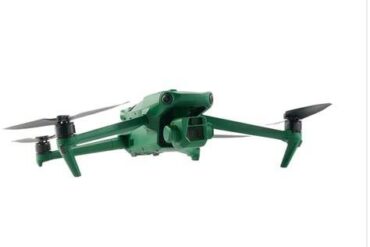
One name that consistently surfaces in discussions about the best sub-250g drone is the Autel Evo Nano+. Autel Robotics is known for its emphasis on imaging performance, and the Nano+ doesn’t disappoint.
Autel Evo Nano+ Highlights:
- Weight: 249 grams
- Camera: 1/1.28” CMOS, 50MP sensor
- Aperture: f/1.9 (great for low light)
- Obstacle avoidance: Tri-directional
- Flight time: \~28 minutes
- HDR video: Supported
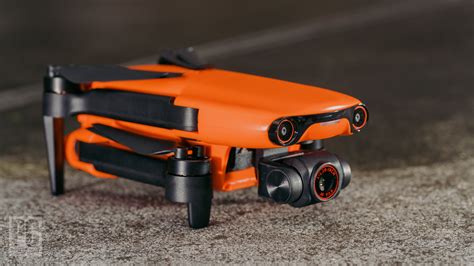
Compared to the Mini 3 Pro, the Nano+ edges ahead in low-light performance due to its faster aperture. It also shoots true 50MP stills, not interpolated. However, Autel’s app ecosystem and remote controller ergonomics are often cited as less refined than DJI’s, which impacts the overall flying experience.
Mini 3 Pro vs Nano+: A Head-to-Head Comparison
| Feature | DJI Mini 3 Pro | Autel Evo Nano+ |
|---|---|---|
| Weight | 249g | 249g |
| Max Video Resolution | 4K/60fps | 4K/30fps |
| Max Photo Resolution | 48MP (Quad Bayer) | 50MP (True CMOS) |
| Aperture | f/1.7 | f/1.9 |
| Obstacle Avoidance | Forward, Backward, Down | Forward, Backward, Down |
| Transmission Range | 12 km (OcuSync 3.0) | 10 km (Autel SkyLink) |
| Flight Time | \~34 minutes | \~28 minutes |
| Vertical Shooting | True vertical | Cropped |
| App Stability | Excellent | Decent but buggy |
While the Nano+ takes the crown in raw image specs, the Mini 3 Pro leads in user experience, video frame rate, and software reliability. For creators who shoot primarily video or require stable app integration, DJI’s offering remains more dependable.
Accessories and Ecosystem Support
A great drone is only as good as the ecosystem around it. DJI excels in this area.
- Batteries: Widely available and competitively priced
- ND filters and prop guards: Plentiful aftermarket and official options
- Cases and bags: Custom-fitted cases like PGYTECH and Lykus are designed with DJI drones in mind
- DJI RC: Comes with an integrated screen for instant FPV flying—no need to mount a smartphone
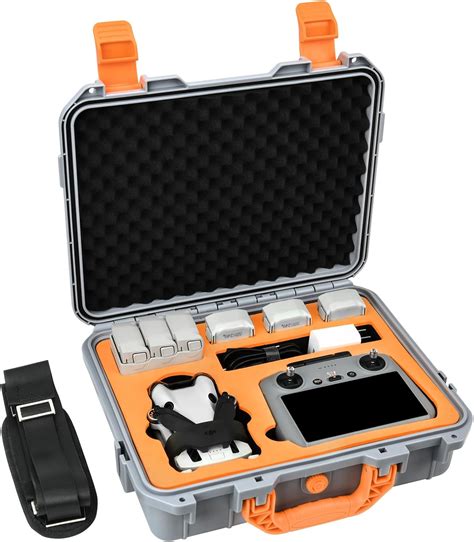
Meanwhile, Autel accessories exist but are more niche, less available, and often pricier.
Common Concerns and Misconceptions
Some users have noted that the Mini 3 Pro may struggle slightly in strong wind and produce occasional jitter during pan shots or time-lapses. This is a valid observation and tied closely to its light frame. However, these instances are rare in normal weather conditions and can be mitigated with careful flight planning and firmware updates.
Another misconception is that the extended battery invalidates its sub-250g status. This is partially true. While the Mini 3 Pro exceeds 250g with the extended battery, it still functions perfectly for those willing to register and comply with additional requirements.
Is the Mini 2 Still a Good Choice in 2025?
Yes—the DJI Mini 2 remains a strong budget option. It’s missing obstacle avoidance, lacks vertical video support, and tops out at 4K/30fps, but it delivers solid stability, excellent GPS lock, and crisp footage for casual flyers.
Many users on forums still fly their Mini 2s proudly, stating there’s “no need to upgrade until they get their Part 107,” referring to the commercial drone pilot certification in the U.S.
Final Verdict: Best Drone Under 250 Grams
After examining every detail—from camera performance to flight experience, ecosystem support, and user feedback—the DJI Mini 3 Pro stands out as the best sub-250g drone currently available. It may not be the cheapest, but it offers an unmatched fusion of cinematic capability, intelligent features, and legal convenience in a palm-sized frame.
Those looking for ultra-sharp photography or better low-light capability may find the Autel Evo Nano+ appealing. But for anyone seeking a complete, polished, and feature-rich flying experience, the Mini 3 Pro is the definitive leader.
FAQs
Is the DJI Mini 3 Pro worth it for beginners?
Yes. While it’s packed with professional features, its user-friendly interface, smart flight modes, and robust GPS make it accessible for novices.
Does the Mini 3 Pro require FAA registration?
No, not with the standard battery. As long as it stays under 250 grams, you’re exempt from FAA registration for recreational use.
Can the Mini 3 Pro shoot vertical videos for social media?
Yes. It features a physical gimbal rotation system that enables true vertical shooting—ideal for Instagram Reels, TikToks, and YouTube Shorts.
Is the Mini 3 Pro good for windy conditions?
It handles moderate wind well but is not immune to drift or jitter in gusty environments due to its light frame. Always monitor wind forecasts.
What’s the best case for the Mini 3 Pro?
Options like the PGYTECH P-40B hard case offer waterproof protection, perfect foam inserts, and TSA-approved locks—ideal for travel.
In 2025, the DJI Mini 3 Pro remains the undisputed king of sub-250 gram drones—packing more features into fewer grams than any of its rivals.