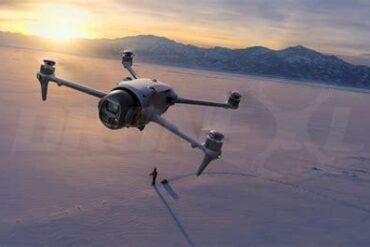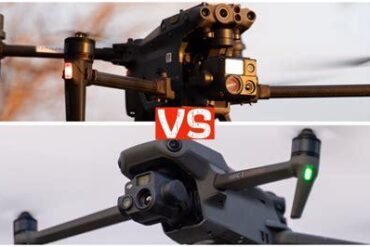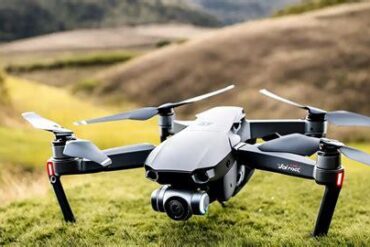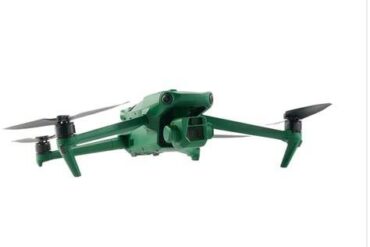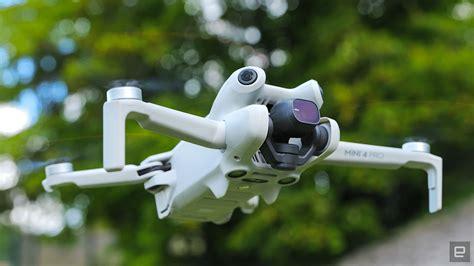
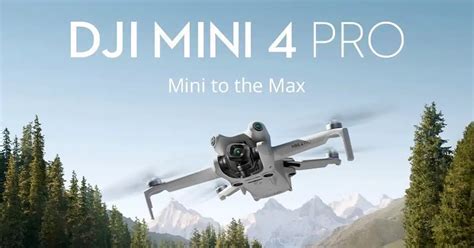
The landscape of consumer drone technology has evolved significantly since the release of the original Mavic Pro in 2016. Once considered revolutionary, the Mavic Pro introduced hobbyists and professionals alike to foldable drone design, 4K stabilized footage, and intelligent flight modes. Fast forward to 2025, and DJI has raised the bar again with the Mini 4 Pro, a sub-250g marvel equipped with omnidirectional obstacle avoidance, a 48MP sensor, and next-gen intelligent features. In this analysis, we examine the real-world differences between the two, not in terms of nostalgia, but in sheer capability, usability, and future-proof performance.
Design Philosophy and Portability: Then vs Now
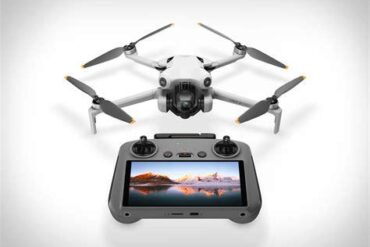
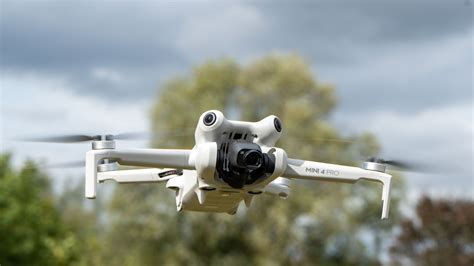
When the Mavic Pro launched, its foldable arms and relatively compact form factor set a new standard for portability. Weighing in at 734 grams, it felt futuristic at the time. However, the Mini 4 Pro, at just 249 grams, takes portability to a new dimension. This isn’t just about weight—it’s about freedom. With most aviation authorities setting 250g as the cutoff for stricter regulations, the Mini 4 Pro slides under that threshold, offering unparalleled flexibility for both casual and professional users.
The size difference in-hand is dramatic. As many users have noted, you don’t fully grasp how small and convenient the Mini 4 Pro is until you hold it. Unlike the Mavic Pro, the Mini 4 Pro can comfortably fit in a jacket pocket, making it far more travel-friendly and discreet.
Flight Time and Power Management
The original Mavic Pro came equipped with a 3-cell LiPo battery capable of achieving up to 27 minutes of flight time under ideal conditions. In practice, however, real-world usage often capped that figure closer to 21–23 minutes. By contrast, the Mini 4 Pro ships with standard and Plus battery options, the latter providing up to 45 minutes of air time. Even with the standard pack, users regularly clock upwards of 30 minutes per flight, largely due to better power efficiency and improved aerodynamics.
This enhancement isn’t just a spec sheet upgrade—it’s a shift in workflow. Longer airtime means fewer interruptions, less anxiety during complex shoots, and reduced wear on batteries. The Plus battery also makes the drone more commercially viable, though it pushes the total weight just past the sub-250g mark.
Obstacle Avoidance and Intelligent Navigation
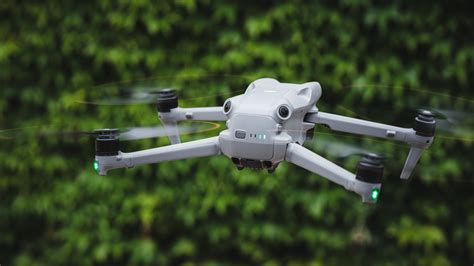
One of the defining leaps in drone safety has been the inclusion of omnidirectional obstacle avoidance. The Mavic Pro offered basic front-facing sensors—helpful, yes, but easily overwhelmed in complex environments. The Mini 4 Pro includes sensors on the front, rear, sides, and bottom, paired with an enhanced APAS (Advanced Pilot Assistance System) 5.0.
This evolution allows the Mini 4 Pro to autonomously reroute around obstacles, maintain smooth tracking in cluttered environments, and safely land even in compromised visibility. For beginners, this is a confidence boost. For professionals, it’s an insurance policy.
Camera Technology and Image Quality
Here lies the heart of the debate: Is the Mini 4 Pro’s camera actually better than the Mavic Pro’s? The Mavic Pro used a 1/2.3” CMOS sensor capable of 12MP stills and 4K video at 30fps. It was solid, but limited by its small sensor and aging processing pipeline. The Mini 4 Pro, on the other hand, utilizes a 1/1.3” CMOS sensor, delivering 48MP stills (using quad Bayer interpolation), 4K video at up to 100fps, and 10-bit D-Log M for advanced post-production flexibility.
While critics have noted that the 48MP claims can feel misleading—since the sensor leverages pixel binning rather than native resolution—the overall image detail, dynamic range, and clarity are leaps ahead. Video taken on the Mini 4 Pro shows richer tonality, less noise, and superior color fidelity. On a phone screen, the difference is dramatic. Even when cropped, the Mini 4 Pro often retains more detail.
It’s worth acknowledging that some users still find the Mini’s image a bit too processed or “digital,” particularly in high-contrast scenes. But for most practical use cases—social content, real estate, event coverage—the Mini 4 Pro’s footage outperforms the Mavic Pro by a wide margin.
Remote Controllers and User Interface
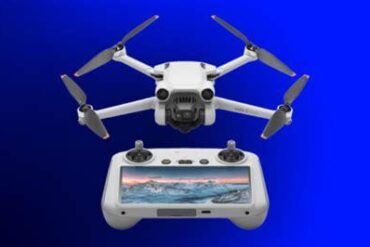
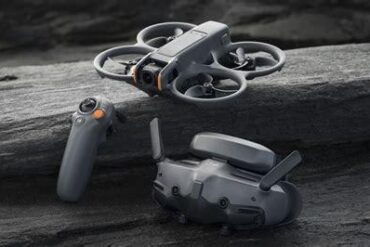
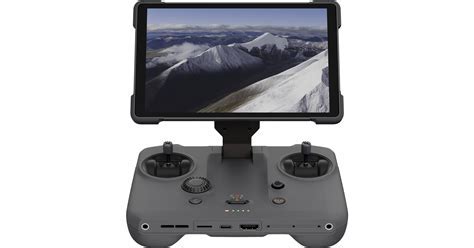
The Mavic Pro shipped with a clunky yet functional remote, requiring users to plug in their smartphones. While usable, the user experience lagged. In contrast, the Mini 4 Pro offers multiple controller options, including the RC-N2 (basic with phone integration) and the RC 2, which features a built-in HD screen. The latter eliminates the hassle of cables and ensures a faster setup, clearer visuals in daylight, and fewer connection hiccups.
Latency and signal strength also benefit from OcuSync 4.0, which replaces the original Mavic Pro’s OcuSync 1.0. The Mini 4 Pro now delivers a range of up to 20 km under ideal conditions (FCC), compared to the Mavic Pro’s 7 km. For commercial operators or landscape videographers, this is a major upgrade.
Software Features and Autonomous Modes
The intelligence of the Mini 4 Pro is arguably its most impressive leap. While the Mavic Pro featured ActiveTrack and QuickShots, its software was prone to hiccups and slow reaction times. The Mini 4 Pro introduces Waypoint missions, Cruise Control, MasterShots, and FocusTrack 360, each enhanced by AI-powered obstacle mapping.
Waypoint support, in particular, is a game-changer. It enables fully pre-programmed cinematic routes—a feature once reserved for flagship models like the Mavic 3 Pro. The subject tracking on the Mini 4 Pro is also vastly improved, capable of following moving targets in three dimensions with minimal drift.
Regulatory Advantage and Sub-250g Freedom
There’s an understated legal and regulatory advantage to flying a drone under 250g. In many countries, such as the United States, Canada, and the EU, drones under this threshold face lighter registration requirements and fewer operational restrictions. This means more flight freedom in urban, rural, and even near-sensitive airspace areas—subject to local rules.
With the Mini 4 Pro, pilots can often fly in places where the Mavic Pro would require paperwork, waivers, or outright denial. This alone may justify the upgrade for many content creators who need spontaneous access to diverse locations.
Durability, Build, and Practical Experience
Despite its light weight, the Mini 4 Pro is robust. It doesn’t have the solid, almost industrial heft of the Mavic Pro, but its build quality feels premium. Carbon composite materials, snug-fitting joints, and dampened gimbals inspire confidence. In terms of real-world reliability, pilots report fewer calibration errors, faster GPS lock times, and greater resistance to wind.
Of course, no drone is immune to crashes, and the Mini 4 Pro’s lighter frame may suffer more from direct impact. However, with omnidirectional obstacle avoidance and smarter return-to-home algorithms, incidents are significantly reduced.
Final Verdict: Is the Mini 4 Pro a True Upgrade?
When viewed through the lens of performance, image quality, safety, and usability, the DJI Mini 4 Pro undeniably outclasses the original Mavic Pro. Yes, the nostalgia for the Mavic remains—it was a legend in its time. But technology has moved forward.
Today, the Mini 4 Pro offers:
- Superior image and video quality, especially for social and commercial use
- Substantially better flight time, even on standard batteries
- Next-gen obstacle avoidance and intelligent tracking
- Regulatory freedom due to sub-250g classification
- Compact portability without compromising features
- Smoother, more intuitive user experience with modern remote options
For those still holding onto the Mavic Pro, the Mini 4 Pro is not merely an upgrade—it is a reinvention. For travelers, hobbyists, and professionals seeking high-performance aerial tools in compact form, the Mini 4 Pro is the clear successor to DJI’s legacy of innovation.