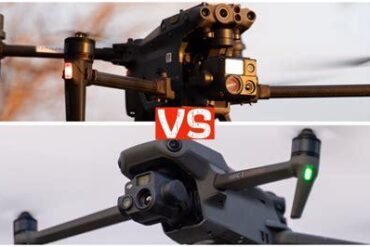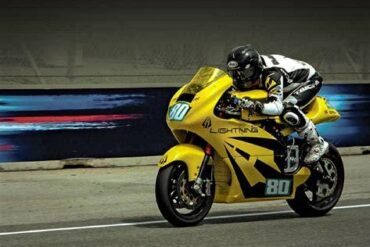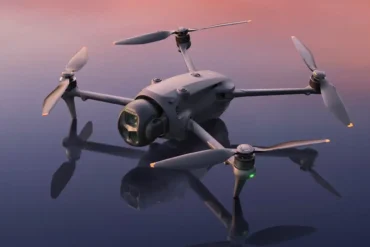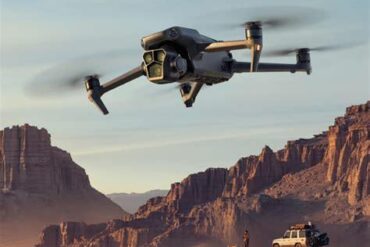
Capturing the exhilarating freedom of a motorcycle journey from a bird’s-eye view has become the holy grail for many riders and content creators. The allure of sweeping vistas, dynamic tracking shots, and effortlessly professional-looking footage is undeniable. However, achieving these results, especially when the subject is a moving motorcycle, presents a unique set of challenges. The drone market is saturated with options, each promising unparalleled performance. Among the frontrunners for autonomous tracking, two names consistently emerge: DJI, with its popular Mavic series, and Skydio, a company that has built its reputation on cutting-edge AI-powered flight. This comprehensive analysis will dissect the capabilities of the DJI Mavic series and the Skydio 2, specifically focusing on their proficiency as ‘follow me’ drones for motorcycle enthusiasts.
The Quest for the Perfect Motorcycle Tracking Shot: Allure and Obstacles
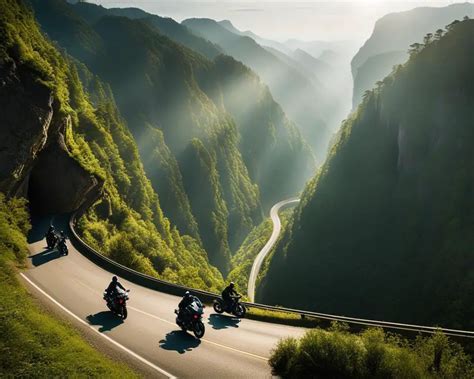
The dream is simple: a drone that intelligently follows your motorcycle, navigating complex environments, avoiding obstacles, and capturing breathtaking footage, all while you focus on the ride. This type of content can elevate a simple ride video into a cinematic experience, showcasing not just the bike and rider, but also the grandeur of the landscape. However, the reality of tracking a relatively small, fast-moving subject like a motorcycle through potentially unpredictable terrain is incredibly demanding for any autonomous system. Factors such as varying speeds, sudden changes in direction, tree cover, signal interference, and the drone’s own ability to distinguish the subject from a cluttered background all play critical roles. Many early attempts at auto-tracking by various drone manufacturers proved to be unreliable, often resulting in lost subjects, jerky footage, or worse, catastrophic crashes. This has led to a healthy skepticism within the riding community, making the performance of newer, more advanced systems like the DJI Mavic series and Skydio 2 a subject of intense interest and scrutiny.
Essential Foundations: Beyond Autonomous Hype – Skill and Licensing
Before diving into the specifics of auto-tracking capabilities, it’s paramount to emphasize a foundational truth: no autonomous drone can replace a skilled pilot. The allure of “set it and forget it” technology is strong, but responsible and effective drone operation begins with mastering manual flight. Aspiring aerial cinematographers, even those primarily interested in follow-me features, are strongly urged to first obtain proper licensing as required by local aviation authorities. Following this, dedicating significant time to learning how to fly a drone manually is crucial. Understanding flight dynamics, control inputs, and spatial awareness in a hands-on manner not only makes you a safer pilot but also provides a deeper appreciation for what the drone is doing, even in autonomous mode. Many experienced drone operators recommend learning on a drone that allows for “Attitude Mode” (or similar modes that disable GPS and sensor-based stabilization), as this truly teaches the pilot to control the aircraft. Furthermore, for truly cinematic shots, manual flight remains king. The ability to frame shots precisely, execute smooth, deliberate maneuvers, and creatively control the camera’s perspective is something current AI, for all its advancements, cannot fully replicate. The belief that one can simply purchase an autonomous drone and instantly achieve professional-grade tracking shots of a motorcycle without prior experience or skill development is, unfortunately, a common misconception.
The Caveats of “Auto-Track”: Understanding Inherent Limitations
While drones equipped with autonomous flight features certainly have their place and can be valuable tools, it’s important to approach their auto-tracking capabilities with realistic expectations. One significant drawback often encountered when relying on auto-tracking is the loss of fine manual control over camera settings. Many systems, when in an autonomous follow mode, will default to automatic exposure, focus, and white balance. While convenient, this can lead to inconsistencies in the footage, such as exposure shifting or focus hunting, especially in dynamic lighting conditions or complex environments common on motorcycle rides. Professional videographers typically prefer full manual control to ensure a consistent and intentional look. Moreover, autonomous systems follow pre-programmed logic; they cannot replicate the nuanced decision-making of a human pilot who can anticipate movements, adjust framing for artistic effect, or choose unconventional flight paths for a more engaging shot. Autonomous tracking is often best suited for situations where perfect framing is not critical, or when a solo rider needs to capture basic footage without assistance. It can be a fantastic tool for quick B-roll or documenting a ride from a unique perspective, but it’s rarely a substitute for dedicated, manual aerial cinematography.
DJI Mavic Series: A Manual Flight Champion with Auto-Track Aspirations
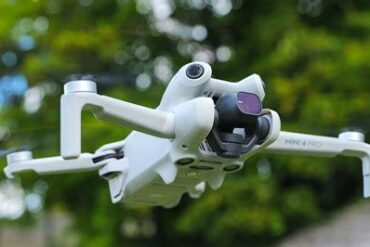
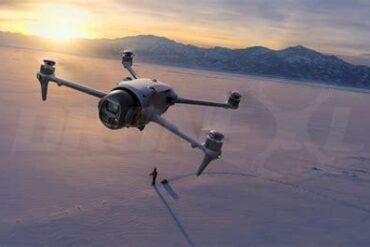
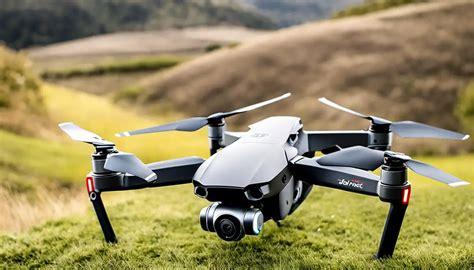
The DJI Mavic series, including popular models like the Mavic Air 2, has long been a favorite among drone pilots for its compact design, impressive flight performance, and excellent camera quality. When it comes to manual flight, these drones are a dream. The controllers are typically well-built, offering responsive and precise stick control that allows skilled pilots to execute intricate maneuvers with confidence. For capturing those sweeping, cinematic shots where the pilot is in full command, dictating every pan, tilt, and dolly, the Mavic series truly shines. Its agility and stability in the air make it a reliable workhorse for a wide range of aerial videography tasks. Many filmmakers rely on Mavic drones for their primary aerial footage, appreciating the balance of portability and capability.
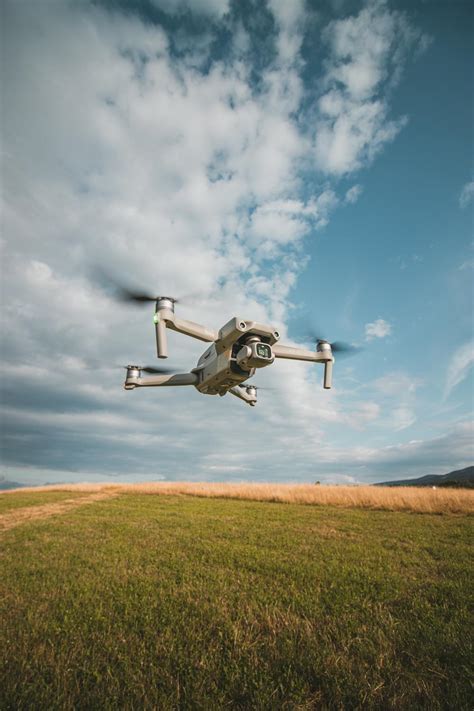
However, when the conversation shifts to auto-tracking a motorcycle, the DJI Mavic series, based on extensive real-world testing, demonstrates significant and consistent shortcomings. Despite DJI’s claims of advanced ActiveTrack and similar subject-tracking technologies, these systems have historically struggled with the unique challenges posed by motorcycles. The primary issue lies in the drone’s ability to reliably lock onto and maintain a lock on the motorcycle and rider. More often than not, particularly if the motorcycle is moving at a reasonable pace or if there are other moving objects or complex backgrounds, the Mavic will lose the subject. Even in less demanding scenarios, like tracking a person walking, the performance can be inconsistent. During specific motorcycle tracking tests, a DJI Mavic Air 2 ultimately failed, losing its track and subsequently flying straight into the ground. This unreliability has been a recurring theme with Mavic drones over several generations when tasked with auto-following. Users might experience fleeting moments of successful tracking, capturing a very short clip, only for the drone to lose its target moments later. This holds true even in standard flight modes at slower speeds. Attempting to use Sport Mode for faster tracking on a Mavic typically disables all obstacle avoidance sensors, making it an exceptionally risky proposition, especially in environments with trees, poles, or other potential hazards.
The obstacle avoidance systems on DJI Mavic drones, while present and offering a degree of protection, are generally not considered robust enough to be fully relied upon, particularly in complex or high-speed autonomous scenarios. They are best viewed as a backup system rather than a primary means of navigation in challenging environments. For manual flight, where the pilot is actively aware and in control, this is less of an issue, but for autonomous “follow me” tasks with a motorcycle, this limitation, combined with the unreliable tracking, makes the Mavic a less-than-ideal choice if autonomous following is the primary goal.
Skydio 2: The Autonomous Tracking Maestro for Motorcycles
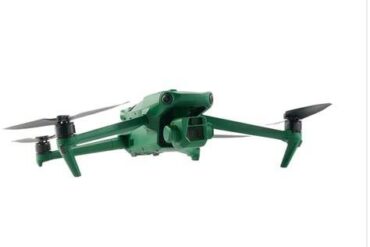
In stark contrast to the DJI Mavic’s struggles with auto-tracking motorcycles, the Skydio 2 presents a paradigm shift in autonomous flight capabilities. The Skydio 2 was engineered from the ground up with autonomy and obstacle avoidance as its core strengths, and its performance in this domain is nothing short of revolutionary. For motorcycle riders seeking a drone that can reliably follow them, the Skydio 2 is, quite frankly, astounding. It consistently demonstrates an uncanny ability to lock onto a motorcycle and rider and maintain that track with remarkable tenacity, even at speeds up to 36 mph. What truly sets the Skydio 2 apart is its superior obstacle avoidance system. This system is not just a backup; it’s an integral part of its flight intelligence, allowing the drone to navigate incredibly complex environments, weaving around trees, under branches, and alongside other potential obstructions with a level of confidence that is simply not found in most other consumer drones. After rigorous testing, the Skydio 2’s avoidance capabilities inspire a level of trust that is transformative for autonomous flight; it genuinely seems to resist crashing, intelligently rerouting itself around obstacles. Of course, no system is infallible – extremely thin objects like power lines or guy wires could potentially fool its sensors, as it can only reliably detect items above a certain thickness.
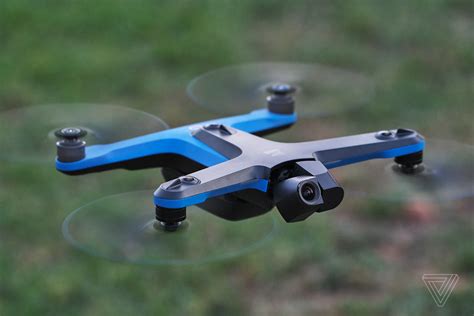
A key component contributing to the Skydio 2’s exceptional tracking performance, especially for dynamic subjects like motorcycles, is the Skydio Beacon. While the Skydio 2, like the Mavic, utilizes image tracking, the Beacon adds a crucial layer of redundancy and precision. If the drone momentarily loses visual lock on the subject (perhaps due to a very fast maneuver or temporary visual obstruction), it doesn’t just give up. Instead, it leverages the GPS signal from the Beacon, which is typically held by the rider or attached to the motorcycle. This allows the Skydio 2 to continue tracking based on the Beacon’s location, effectively “seeing” the subject even when its cameras cannot. This dual-tracking approach – visual AI combined with GPS/radio frequency from the Beacon – is a game-changer. The DJI Mavic series lacks this dedicated beacon capability; once it loses image track, the follow sequence ends. While the Skydio 2 can track without the Beacon using only its visual AI, the Beacon significantly enhances the robustness and reliability of the follow-me experience, making it a highly recommended, almost essential, add-on at the time of purchase for any serious motorcycle tracking application. During one extensive test in mountainous, tree-filled terrain, the Skydio 2 only lost its subject once, a testament to its robust system.
However, the Skydio 2’s exceptional autonomy comes with a trade-off in its manual flight performance. While it is possible to fly the Skydio 2 manually, particularly with the optional physical controller (as flying any drone solely via a smartphone app offers a compromised experience and reduced range), it doesn’t offer the same level of precision or tactile feedback as a DJI Mavic. The Skydio controller can feel somewhat like an afterthought, lacking the refined ergonomics and stick precision of DJI’s offerings. In the air, the Skydio 2 is not as agile or responsive in manual mode as a Mavic; it has been described as flying “like a tank” in comparison. This means that while you can capture manual shots, you might find yourself somewhat limited in executing very fine, nuanced flight maneuvers or achieving the same dynamic range of cinematic movements that are possible with a Mavic. Its primary design philosophy leans heavily towards letting the AI do the flying.
Head-to-Head: DJI Mavic vs. Skydio 2 for the Riding Enthusiast
When choosing between the DJI Mavic series and the Skydio 2 for motorcycle filming, the decision hinges almost entirely on your primary objective.
-
Autonomous Motorcycle Tracking: The Skydio 2 is the undisputed champion in this category. Its ability to lock on, stay locked, track at speed, and navigate complex obstacle courses is far superior to anything the DJI Mavic series currently offers for this specific use case. The addition of the Skydio Beacon further solidifies its lead, providing a robust tracking solution that inspires confidence.
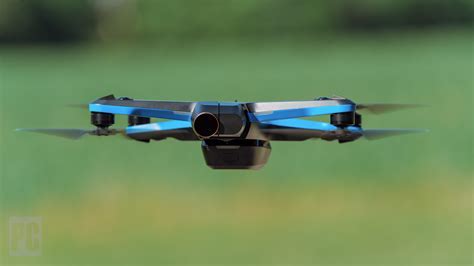
- Obstacle Avoidance in Autonomous Mode: Again, Skydio 2 takes a decisive lead. Its 360-degree, AI-driven obstacle avoidance is more reliable and allows for more aggressive autonomous flight paths in cluttered environments. DJI’s system, while helpful, is more prone to hesitation or failure in complex scenarios, especially during auto-tracking.
- Manual Flight Control and Cinematography: The DJI Mavic series excels here. Its refined controls, agility, and overall responsiveness make it the preferred tool for pilots who want to manually craft their shots, execute precise cinematic movements, and have full artistic control over the drone’s flight path and camera work.
- Camera Settings Control in Auto Mode: Both drones will likely revert to more automated camera settings during autonomous tracking. However, the frustration with DJI might be higher if you’re attempting auto-track because you can’t get the shot manually, only to find the auto-track itself is unreliable. With Skydio, the auto-track is reliable, so the trade-off in camera auto-settings might be more acceptable for the convenience of getting the shot at all.
- Reliability for “Follow Me”: The Skydio 2 is significantly more reliable for motorcycle tracking. The Mavic’s tendency to lose the subject or, in worst-case scenarios, crash during auto-track attempts, makes it a gamble. The Skydio 2, particularly with the Beacon, offers a “set it and (mostly) forget it” experience that is closer to the ideal.
- Controller and Ergonomics (for manual flight): DJI generally provides a more refined and precise controller experience than Skydio, whose controller can feel less premium and less responsive for nuanced manual flight.
Is There a “Perfect” Drone for Every Biker?
The straightforward answer is no, there isn’t a single drone that perfectly caters to every motorcyclist’s needs. The choice between a DJI Mavic and a Skydio 2 (or other drones) will depend heavily on your priorities and how you intend to use the drone.
If your primary goal is to have a drone reliably and autonomously follow your motorcycle through various terrains with minimal intervention, capturing impressive tracking shots without needing a dedicated pilot, then the Skydio 2 with the Beacon is unequivocally the superior choice. Its autonomous capabilities in this specific context are currently unmatched.
However, if you are an experienced drone pilot, or aspire to be one, and your main objective is to capture highly cinematic, manually controlled footage, with auto-tracking being a secondary, occasional convenience, then a DJI Mavic series drone would likely be more satisfying. Its strengths in manual flight control, responsiveness, and often broader range of camera features (depending on the specific Mavic model) make it a more versatile tool for the dedicated aerial cinematographer.
Real-World Riding: Additional Factors to Consider
Beyond the core flight and tracking capabilities, motorcyclists should also consider a few practical aspects:
- Portability and Setup Time: How easy is the drone to pack on a motorcycle? How quickly can it be deployed when you find that perfect scenic spot? Both Mavic and Skydio 2 are relatively portable, but nuances in case design and pre-flight routines can make a difference.
- Battery Life: Motorcycle rides can be long. Consider the drone’s flight time per battery and the cost and availability of spare batteries. You’ll want enough power to capture multiple segments of your journey.
- Wind Resistance: Open roads and higher altitudes often mean stronger winds. A drone’s ability to maintain stability and control in breezy conditions is crucial for both footage quality and safety.
- Range: Consider the effective range for both control and video transmission, especially if you envision shots where the drone is further away from you (though for follow-me, it will typically be relatively close).
- Durability and Support: While no drone is indestructible, consider the build quality and the availability of customer support or repair services, especially if you’re riding in remote areas.
Making the Choice: Aligning Drone Strengths with Your Riding Style
Ultimately, the decision between the DJI Mavic series and the Skydio 2 for motorcycle “follow me” applications boils down to a fundamental trade-off: world-class manual flight experience versus unparalleled autonomous tracking reliability.
For the motorcyclist who wants to effortlessly capture dynamic follow-shots without needing to actively pilot the drone, and who values state-of-the-art obstacle avoidance for peace of mind, the Skydio 2 is the clear frontrunner. Its ability to intelligently track and navigate complex environments while keeping the motorcycle in frame is a technological marvel that dramatically simplifies the process of getting those coveted shots. It truly shines when you want the drone to be an autonomous companion, documenting your ride.
Conversely, for the rider who is also a keen filmmaker, values precise manual control, superior agility for crafting cinematic sequences, and sees autonomous tracking as a secondary, less critical feature, a DJI Mavic drone will offer a more rewarding overall experience. Its capabilities as a pilot-controlled aerial camera platform are well-established and highly regarded.
Before investing, carefully consider your primary use case. If it’s reliable, hands-off motorcycle tracking, the Skydio 2 is poised to exceed expectations. If it’s about capturing diverse, manually piloted cinematic masterpieces with the option of occasionally attempting auto-track, the DJI Mavic remains a strong contender. The key is to choose the tool that best aligns with your vision for capturing the spirit of your motorcycle adventures from the sky.