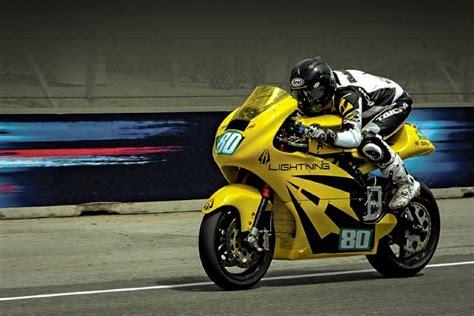
Canada has officially joined forces with the US, UK, Saudi Arabia, France, Thailand, Spain, and Indonesia in an ambitious new drive to supercharge sports tourism through motorcycle racing. This bold move positions Canada on the world stage of high-octane travel, transforming it from a haven of scenic road trips into a destination that promises the roar of engines, the thrill of speed, and the allure of international racing culture.
Canada’s Strategic Entry into Motorcycle Sports Tourism
For decades, Canada’s tourism industry thrived on its breathtaking landscapes, cultural festivals, and winter sports. Now, by embracing motorcycle racing, Canada signals a shift toward adrenaline-fueled adventure tourism. This decision reflects a global trend where countries use motorsport events to draw visitors, boost local economies, and enhance their international profile. The move aligns Canada with nations that have long understood the power of motorcycle racing to transform tourism landscapes—from Saudi Arabia’s Dakar Rally to Spain’s iconic MotoGP circuits.

The Global Rise of Motorcycle Racing as a Tourism Magnet
Around the world, motorcycle racing has evolved beyond mere competition. It has become a cultural and economic engine, attracting millions of fans, riders, and tourists. France’s Le Mans Grand Prix, Italy’s Mugello Circuit, and Australia’s Phillip Island are no longer just race venues; they are pilgrimage sites for motorsport enthusiasts. The United States, with its Circuit of the Americas, has carved out a central role in North American motorsport tourism, drawing visitors from across the continent and beyond.
Meanwhile, Southeast Asian nations like Thailand, Malaysia, and Indonesia have seized the opportunity to integrate racing into their tourism strategies. By combining modern tracks with rich cultural experiences, these countries offer travelers a unique blend of speed and heritage. Canada’s decision to join this league reflects both opportunity and necessity—recognizing that today’s tourists seek experiences that merge sport, culture, and spectacle.
Canadian Destinations Fueling the Motorcycle Tourism Boom
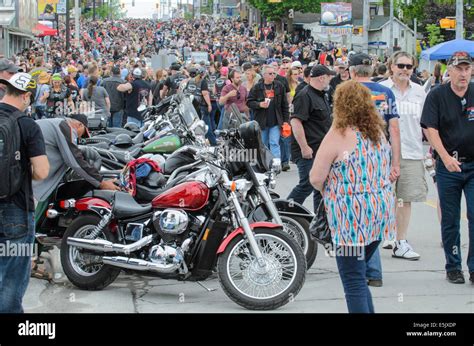
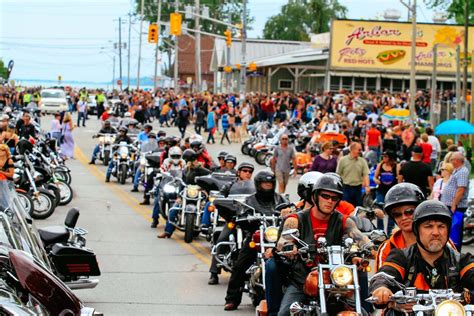
Two Canadian towns exemplify this surge: Port Dover and Gananoque. Once quiet communities, they have become icons of motorcycle culture, thanks largely to their legendary Friday the 13th rallies. In Port Dover, what began in 1981 as a gathering of 25 friends has exploded into a spectacle drawing up to 140,000 bikers. The event transforms the town, blending small-town charm with the energy of a major festival. Gananoque, though smaller in scale, delivers a more intimate yet no less impactful experience, attracting hundreds of riders who fill inns, restaurants, and waterfront parks.
Economic Impact and Community Transformation
The benefits of motorcycle tourism in Canada extend well beyond the race track. Events like Friday the 13th generate massive economic windfalls. Businesses in Port Dover report earning up to six months’ revenue during a single rally weekend. Hotels, restaurants, and shops operate at full capacity, while local artists and charities seize the opportunity to showcase their work and raise funds. Gananoque enjoys a similar, albeit more modest, boost, as its quieter gatherings create a buzz that resonates throughout the local economy.
Beyond dollars and cents, these events foster a sense of community and pride. Locals embrace the riders, hosting live music, community fairs, and pop-up markets. Children pose for photos on gleaming bikes, and the air fills with the hum of engines and the laughter of visitors and residents alike. Tourism officials are now planning new initiatives—bike shows, family-friendly events, and vendor fairs—to make future rallies even more inclusive and engaging.
The Challenges of Growth: Balancing Freedom and Safety
With rapid growth comes responsibility. Large-scale motorcycle events inevitably draw attention from both fans and law enforcement. In Port Dover, increased police presence ensures public safety, particularly as outlaw motorcycle clubs sometimes attend the gatherings. Authorities issue advisories urging attendees to avoid provocative symbols and gear that might spark conflict. Gananoque, though less prone to such tensions, still sees heightened security during its rallies. In both towns, the priority remains clear: celebrate motorcycle culture while ensuring a safe, welcoming environment for all.
What Drives Canada’s Motorcycle Tourism Appeal?
Canada’s unique charm in this global surge lies in its ability to merge breathtaking scenery with authentic community spirit. Riders flock to Ontario’s lakefront towns for more than the rallies; they come for the warm welcome, the open roads, and the chance to be part of something larger than themselves. Unlike some destinations where tourism feels commercialized, Port Dover and Gananoque offer an experience that feels earned and genuine.
This authenticity is what sets Canadian motorcycle tourism apart. The blend of natural beauty, historic charm, and enthusiastic local support creates a formula that resonates deeply with riders. And as Canada invests in infrastructure and event planning, its appeal to both domestic and international visitors is set to accelerate.
Looking Ahead: Canada’s Place in Global Motorcycle Sports Tourism
With only one Friday the 13th rally scheduled for 2025, anticipation is already building. Port Dover is preparing for record crowds, while Gananoque sees rising interest from motorcycle clubs seeking a more exclusive, community-focused event. Tourism boards and local governments are exploring ways to build on this momentum, from enhanced marketing efforts to new partnerships with international racing organizations.
Canada’s entry into the world of motorcycle sports tourism represents more than just an economic strategy—it signals a cultural shift. As engines roar and crowds gather, Canada cements its place in a global movement where sport, adventure, and tourism intersect. And for the travelers chasing speed, freedom, and unforgettable memories, the message is clear: Canada is ready to ride.