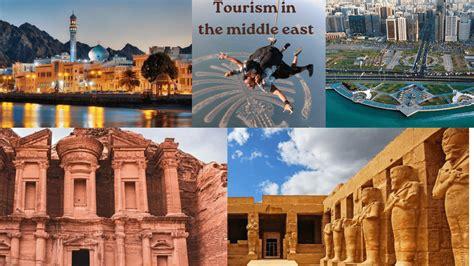
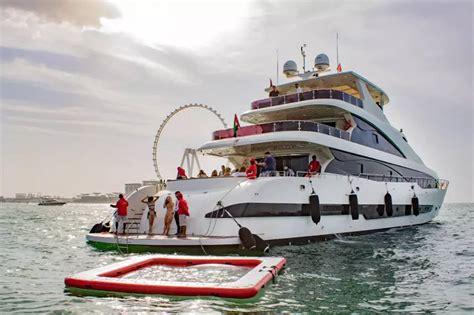
As luxury tourism continues to thrive, it is crucial to understand the dynamics driving this sector. The ATM Travel Trends Report reveals that nearly 60% of travelers visiting the Middle East prioritize spending on luxury experiences. This percentage is significantly higher than the 40% observed in other global regions, underscoring the Middle East’s unique appeal. Not only do destinations like Dubai and Abu Dhabi serve as epicenters of opulence, but they are also innovating to meet the demands of high-net-worth individuals seeking exclusive and curated experiences. From private yacht cruises to luxury safaris and bespoke cultural events, the region has positioned itself as a premier destination for those looking to indulge in both leisure and extravagance.
The Rising Tide of Luxury Tourism
Luxury tourism has emerged as one of the primary drivers of growth in the Middle East. Cities such as Dubai and Abu Dhabi have witnessed a meteoric rise in high-end hotel developments, which cater specifically to affluent travelers. The expansion of premium offerings, coupled with world-class service, has created a magnetic pull for wealthy visitors from around the globe. High-profile brands are investing heavily in the region, enhancing the luxurious landscape with resorts, spas, and dining experiences that reflect both local culture and international standards.
Furthermore, the Middle East’s ability to deliver ultra-luxury experiences is unmatched. Travelers can partake in activities ranging from helicopter tours over the iconic skyline of Dubai to exclusive shopping experiences in designer boutiques. As the region continues to innovate and expand its luxury offerings, it is set to become synonymous with elite travel.
Business Events and the Emergence of ‘Bleisure’ Travel
The business tourism sector in the Middle East is projected to grow 1.5 times faster than the global average through 2030. This growth can be attributed to the region’s strategic location at the crossroads of Asia, Europe, and Africa, making it an ideal hub for international conferences, trade shows, and high-profile meetings. Cities like Dubai, Doha, and Abu Dhabi have become central players in the business events arena, attracting major multinational corporations and industry leaders.
The trend of ‘bleisure’ travel—the combination of business and leisure—is gaining significant traction. Professionals increasingly extend their trips to experience local culture, architecture, and entertainment. By offering state-of-the-art meeting facilities, diverse entertainment options, and an array of luxury hotels, these cities are blending business and leisure travel in innovative ways. As a result, the region is experiencing an influx of international professionals eager to merge work commitments with the unique cultural offerings of the Middle East.
Sports Tourism: A New Frontier
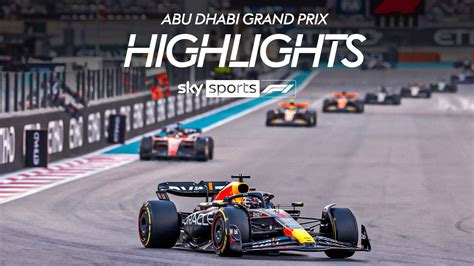
Another rapidly growing segment within the Middle East’s tourism sector is sports tourism. The region has successfully established itself as a premier destination for major sporting events, hosting everything from Formula 1 races and UFC bouts to international football tournaments. Cities like Abu Dhabi, Dubai, and Riyadh are becoming synonymous with world-class sporting events, drawing visitors from all corners of the globe who come to support their favorite teams or relish the thrill of international competitions.
Significant investments in sports infrastructure have enabled the Middle East to accommodate a wide range of high-profile events. Major tournaments such as the FIFA World Cup, Formula 1 Grand Prix, and prestigious tennis and golf events have already solidified the region’s position on the global sports tourism map. Moreover, the burgeoning interest in adventure and outdoor sports, particularly in destinations like Oman and the UAE, presents an opportunity for further growth, as enthusiasts seek exhilarating experiences in hiking, rock climbing, and water sports.
Inbound and Outbound Travel Dynamics
As inbound tourism to the Middle East is projected to grow by 13% annually, the region is set to benefit from a robust inflow of international visitors. Key source markets include Europe, India, and China, with Chinese leisure travel spending forecasted to rise by an astonishing 130% by 2030. This statistic highlights China’s growing importance as a source of high-value tourists, contributing significantly to the overall tourism landscape.
Conversely, outbound tourism is also on the rise, with countries like Saudi Arabia and Egypt leading the regional flow. Popular long-haul destinations for Middle Eastern travelers include Thailand, the United Kingdom, and the United States. The region’s ability to attract both inbound and outbound travelers is a testament to its effective investments in tourism infrastructure and its commitment to offering diverse and culturally enriching experiences.
Aviation Expansion to Meet Growing Demand
To accommodate the rising demand for both inbound and outbound travel, the Middle East’s top airlines—Emirates, Etihad Airways, Qatar Airways, and Saudi Airlines—have placed nearly 780 aircraft orders with global manufacturers such as Boeing and Airbus. This massive investment in fleet expansion reflects the region’s dedication to establishing itself as a global aviation hub, ensuring passengers enjoy best-in-class air travel experiences.
This expansion not only caters to the increasing demand for leisure and business travel but also enhances connectivity, allowing travelers to access the Middle East’s diverse destinations with greater convenience. The region’s strategic location as a global aviation nexus ensures that both tourists and business travelers can seamlessly connect with destinations worldwide, thereby bolstering the tourism industry’s growth.
Conclusion: A Transformative Era for Middle East Tourism
In conclusion, the Middle East is on the brink of a tourism boom driven by advances in luxury travel, business events, and sports tourism. Substantial investments in infrastructure and a strategic focus on diversifying tourism offerings are positioning the region to achieve an impressive $350 billion in tourism spending by 2030. As the Middle East continues to develop its aviation, hospitality, and event-hosting capabilities, it is set to solidify its status as a key player on the global tourism stage.
With high-end developments, world-class events, and an increasing demand for business travel, the Middle East is firmly establishing itself as a global tourism powerhouse. The next decade promises exciting growth for the region’s tourism sector, offering travelers unmatched experiences in one of the world’s most dynamic regions. As these trends continue to evolve, the Middle East is not only set to meet its tourism expenditure projections but to also emerge as a premier destination for luxury, business, and sports tourism.