When selecting a DJI drone, noise level is a critical factor for many pilots—whether flying in urban environments, natural settings, or near sensitive populations. The audible signature of a drone impacts user experience, public perception, and even operational stealth. DJI, as the industry leader, has released multiple models with varying propeller sizes and motor configurations, influencing their noise footprint significantly. This article thoroughly examines which new DJI model stands out as the quietest and explores the role of propeller technology, including aftermarket options designed to reduce noise.
The Fundamentals of Drone Noise Production
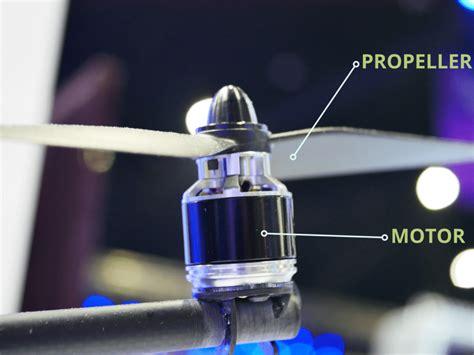
Drone noise primarily originates from the rotor blades slicing through air at high speed, causing vibrations and aerodynamic noise. Larger drones tend to have bigger propellers turning at lower revolutions per minute (RPM), producing a deeper, lower-frequency hum. Conversely, smaller drones feature smaller, faster-spinning props, generating higher-pitched sounds that can be more piercing or shrill. Yet, the perception of loudness depends not only on decibel levels but also on the frequency and tone of the sound, which affects how easily the noise blends into ambient background sounds.
DJI Mini Series: The Quiet Champions
Among DJI’s lineup, the Mini series—including the Mini 2, Mini 3 Pro, and Mini 4 Pro—receives consistent praise for its relatively quiet operation. The smaller propeller diameter and higher RPM create a noise that is less intrusive and more easily masked by environmental sounds, particularly when the drone is in motion rather than hovering. Users have described this sound as a soft hum rather than an aggressive whine, making it the ideal choice for pilots who prioritize discretion.
The Mini 3 Pro, for instance, is often favored for its balance of power and low noise output. Pilots report it to be noticeably quieter than the Mavic series when flying, especially at moderate altitudes above 15 meters. The Mini 4 Pro improves further on this legacy with slight refinements in blade design and motor efficiency, contributing to a quieter flight experience that can be barely heard in moderately noisy outdoor settings.
Larger DJI Models: Mavic and Air Series Noise Profiles
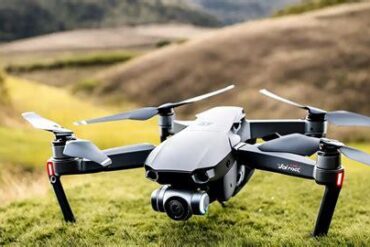
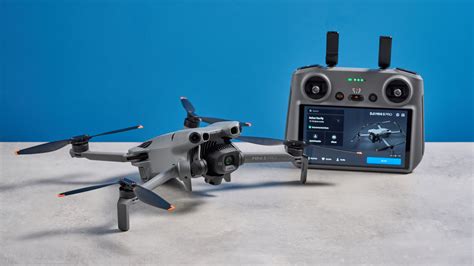
In contrast, DJI’s larger drones, such as the Mavic 2, Mavic 3 Classic/Pro, Air 2/2S, and Air 3, generate a louder and deeper noise signature. While their bigger blades rotate at lower RPMs and thus produce lower-frequency sounds, these tones are often perceived as louder and more intrusive. Anecdotal comparisons liken the Mavic 3 Pro’s noise to a distant two-stroke motorcycle or a chainsaw, especially noticeable during rapid movement or takeoff.
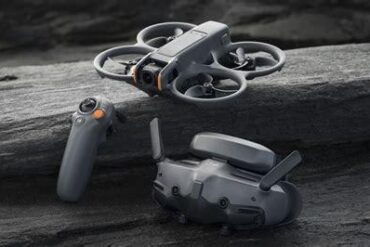
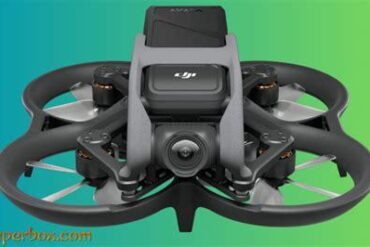
The DJI Avata, DJI’s FPV-style drone, is another model often cited for being loud, with a distinctive buzzing sound that can carry over significant distances—sometimes heard up to 200 meters away. Its design prioritizes agility and speed over quiet operation, making it less suitable for noise-sensitive environments.
Measured sound pressure levels corroborate these user experiences: the Avata 2 registers approximately 81 decibels, while the Mavic 3 Pro clocks in around 83 decibels. By comparison, typical urban daytime ambient noise ranges between 55 and 85 decibels, underscoring the relative prominence of these drones’ sound.
Flight Behavior and Noise Impact
Several experienced pilots emphasize that flying speed and altitude have a greater influence on perceived noise than the specific drone model or propeller type. Hovering tends to produce a more constant, less noticeable drone sound, while flying at high speed generates more turbulence and louder aerodynamic noise, which draws more attention. Elevating the drone higher can significantly reduce its audible impact on observers below, as sound dissipates with distance.
Aftermarket Propellers: Do “Quiet” Blades Really Work?
The market offers various aftermarket propellers claiming to reduce noise, notably from brands like Master Air Screw. These “stealth” blades reportedly alter the pitch and tone of the drone’s sound by adjusting the blade angle and shape, resulting in a 1–3 decibel reduction. This change is subtle but perceptible, making the drone sound less shrill and slightly quieter.
However, pilots caution that while these props can enhance flight smoothness and marginally reduce noise, the improvements are often minor. Additionally, using non-DJI blades carries risks including potential warranty voiding, decreased flight stability, and even safety hazards, as some users have experienced unusual drone behavior with certain aftermarket blades.
Stock DJI propellers are engineered specifically to match each drone’s motor and aerodynamic profile, offering a balance of performance, safety, and noise control. Given the sophistication of DJI’s research and development, many experts recommend sticking with factory props or trusted brands like Master Air Screw to maintain optimal results.
Recommendations for Choosing the Quietest DJI Drone
When prioritizing noise reduction, the DJI Mini series emerges as the most suitable choice. Its compact size, smaller blades, and optimized motor RPM contribute to a flight experience that is significantly quieter than DJI’s larger drones. For operators who need to minimize disturbance, the Mini 3 Pro and Mini 4 Pro stand out as the best options currently available.
For users requiring more advanced features, such as optical zoom or longer flight times offered by the Mavic or Air series, it is crucial to recognize that these models will inherently produce more noise. Pilots should consider flying at higher altitudes or selecting quieter flight modes where possible.
Testing drones in real-world conditions remains essential. Noise perception varies with environment, weather, and surrounding sounds, so experiencing a drone firsthand can provide valuable insight beyond manufacturer specifications and decibel measurements.
Final Thoughts: Balancing Noise, Performance, and Use Case
The quest for the quietest DJI drone involves understanding the trade-offs between size, power, and propeller technology. While no drone is completely silent, the Mini series offers a markedly quieter option for casual and professional flyers alike. Aftermarket quiet blades provide incremental improvements but cannot substitute the finely tuned stock propellers.
Ultimately, the best approach combines selecting the appropriate drone model based on noise considerations and flying responsibly—maintaining reasonable altitudes, moderating speed, and respecting privacy—to ensure a positive experience for both the pilot and those around them.