DJI, or SZ DJI Technology Co., Ltd., is undeniably the undisputed leader in the world of drones, pioneering both consumer and professional-grade aerial photography technology. Founded in 2006 by Frank Wang in Shenzhen, China, DJI has rapidly risen to dominance, becoming a global titan in drone manufacturing. Today, the company holds a staggering 90% market share in the global consumer drone industry, a feat that is difficult to rival. As the foremost innovator in this sector, DJI continues to shape and define the world of unmanned aerial vehicles (UAVs), setting the standard for what drones can achieve in various industries.
The History of DJI: From Hobbyist Roots to Global Dominance
When DJI first emerged in the mid-2000s, it focused primarily on catering to hobbyists who wanted a user-friendly platform for aerial photography. At the time, drones were largely seen as niche gadgets, with limited practical applications. However, DJI saw the vast potential in integrating advanced technologies into drones, such as GPS, automated flight systems, and high-quality cameras. This foresight led to the creation of the company’s first successful product, the Phantom series, which proved to be a game-changer.
With its easy-to-use controls, stabilization systems, and high-definition cameras, the Phantom quickly became a favorite among both amateurs and professionals. DJI continued to push the envelope with innovations such as the Mavic series, a portable and foldable drone that made aerial photography accessible to a broader audience, including those in the commercial sector.
These breakthroughs marked the beginning of DJI’s transition from a hobbyist brand to a major player in the professional drone industry. Over the years, the company has continued to introduce more advanced models, each offering superior camera quality, longer flight times, and cutting-edge features like obstacle avoidance, intelligent flight modes, and enhanced stabilization.
The Key Technologies Behind DJI Drones
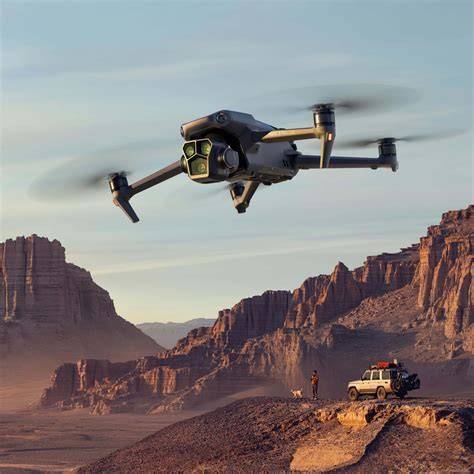
DJI drones are known for their cutting-edge technology, which includes advanced stabilization systems, robust flight controls, and high-definition cameras that deliver breathtaking aerial shots. Below are some of the most prominent technological advancements that have helped DJI maintain its position as the industry leader:
Camera Systems
One of the primary factors that have propelled DJI to the forefront of the drone industry is its commitment to integrating state-of-the-art camera technology. Whether it’s for casual photography, professional cinematography, or commercial surveying, DJI drones are equipped with some of the best cameras in the market. Key features include:
- 4K and 6K Video Quality: Many DJI drones offer 4K resolution as standard, with models like the Mavic Air 2 capable of shooting 4K at 60 fps for smooth, cinematic footage. The Mavic 3 and Inspire 2 models take it a step further with 6K video resolution, offering even more detail and flexibility in post-production.
- Low-Light Performance: DJI drones, such as the Phantom 4 Pro V2, are designed with exceptional low-light performance, which is essential for capturing clear imagery even in less-than-ideal lighting conditions.
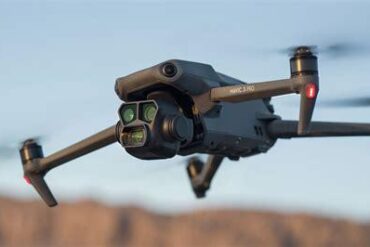
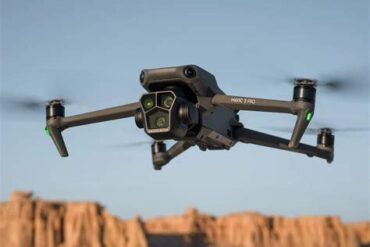
- Hasselblad Cameras: The Mavic 3, in particular, stands out for its collaboration with Hasselblad, a renowned camera manufacturer. The result is enhanced color accuracy and image quality, pushing the limits of drone photography.
Flight and Navigation Systems
DJI drones are equipped with the most advanced flight control systems in the industry, ensuring stable and smooth flight operations. Notable technologies include:
- GPS + GLONASS Integration: DJI drones utilize both GPS and Russian GLONASS satellites for precise navigation and positioning, enhancing flight stability, especially in areas with poor satellite signals.
- Vision Positioning System (VPS): VPS utilizes downward-facing sensors to help maintain position when flying indoors or in areas without GPS signals, allowing for precise control even in challenging environments.
- Obstacle Avoidance Sensors: Many of DJI’s drones are equipped with forward, backward, and downward obstacle sensors, ensuring that they can avoid collisions while flying autonomously or in complex environments.
The Evolution of DJI’s Product Line
DJI has built a robust portfolio of drones, each designed with specific use cases in mind. From entry-level drones for hobbyists to high-end systems used by filmmakers and professionals, DJI offers a range of products to suit every need.
Phantom Series
The Phantom series is often regarded as the cornerstone of DJI’s success. These drones were among the first to feature integrated cameras and intelligent flight modes, paving the way for the modern drone industry. They also introduced the ability to capture aerial footage with gimbal-stabilized cameras, a critical advancement that made drone photography much more stable and viable.
- Phantom 4 Pro V2.0: With its high-end 4K camera, mechanical shutter, and intelligent flight modes, the Phantom 4 Pro remains a favorite for aerial photographers and surveyors.
Mavic Series
The Mavic line revolutionized the drone industry with its compact, foldable design. These drones are highly portable, yet powerful, offering incredible camera quality and flight stability in a lightweight form factor.
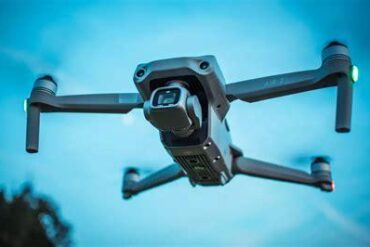
- Mavic Air 2: This model brought affordable 4K video and incredible flight times to the market. It’s an excellent option for enthusiasts looking for a compact drone with pro-level performance.
- Mavic 3: With its industry-leading camera and flight performance, the Mavic 3 has become a flagship model for both recreational and commercial drone pilots.
Inspire Series
DJI’s Inspire series is aimed at professional filmmakers and those looking to capture cinema-quality aerial footage. These drones offer high-end camera systems, the ability to attach multiple lenses, and the option for dual operators.
- Inspire 2: This drone is equipped with a Zenmuse X7 camera capable of shooting 6K video, making it one of the most advanced drones for high-end cinematography.
Enterprise Solutions
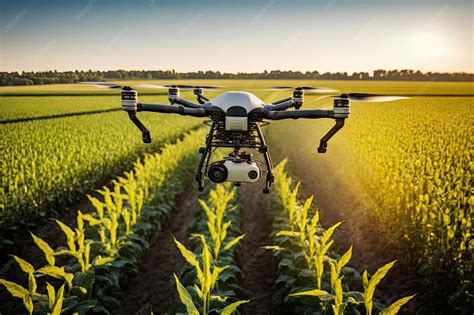
Beyond consumer drones, DJI has also made significant strides in the enterprise sector. The company offers specialized drones for industries like agriculture, surveying, and public safety.
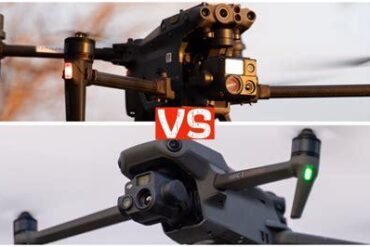
- Matrice 300 RTK: This rugged drone is built for industrial applications, with features like high payload capacity, precise GPS capabilities, and advanced sensors for tasks like infrastructure inspection, search and rescue, and surveying.
- Agriculture Drones: DJI’s agricultural drones, such as the MG-1S, are designed to help farmers with crop spraying, field mapping, and data collection, making them essential tools for precision agriculture.
Controversies and Challenges Facing DJI
Despite its massive success, DJI has not been without controversy. The company has faced criticism and legal challenges on several fronts, particularly concerning issues of data security and the potential use of its drones for military purposes. In recent years, DJI has been embroiled in several controversies related to the military and surveillance, most notably being accused of providing drones to the Russian military during the invasion of Ukraine. Additionally, some security agencies have raised concerns over potential data breaches, given the sensitive nature of drone surveillance.
To address these concerns, DJI has implemented a number of measures, including a no-fly zone system and data control features that allow users to manage and restrict access to their flight data. Furthermore, the company has taken steps to improve transparency and gain trust from its customers by ensuring its drones comply with international data privacy regulations.
The Future of DJI Drones
Looking ahead, DJI is poised to continue its dominance in the drone market. The company is constantly innovating, whether it’s through advancements in autonomous flight, the integration of artificial intelligence, or exploring new frontiers like drone delivery systems. With its powerful product lineup and cutting-edge technology, DJI remains a trailblazer in the drone industry, offering unparalleled solutions for both consumers and businesses.
In conclusion, DJI’s rise from a humble startup to a global leader in drone technology is a testament to its relentless pursuit of innovation. As the industry continues to evolve, DJI’s drones will undoubtedly play a central role in shaping the future of aerial technology, from cinematography to industrial applications and beyond.