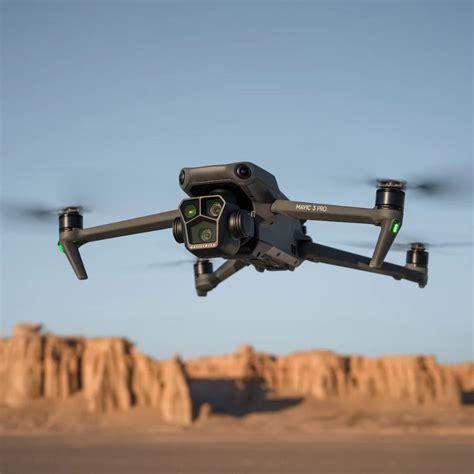
In a drone market long dominated by DJI, a growing number of professional pilots, agencies, and hobbyists are looking for alternatives. This trend isn’t merely about competition—it stems from serious concerns over data privacy, national security, and mission-specific performance needs. Whether you’re conducting infrastructure inspections, capturing aerial cinematography, or supporting public safety efforts, viable non-DJI drones now offer equal or superior capabilities in many categories. This guide explores the best options currently available, each tailored for distinct use cases.
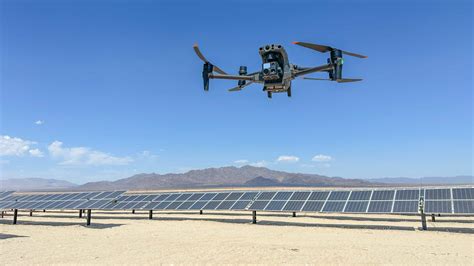
Why Drone Pilots Are Seeking DJI Alternatives
While DJI’s Mavic, Inspire, and Phantom series have set benchmarks in aerial innovation, an evolving geopolitical climate and regulatory scrutiny have put the Chinese manufacturer’s future in question—particularly in the U.S. market. The Countering CCP Drones Act and the National Defense Authorization Act (NDAA) are prompting agencies and enterprises to reassess their reliance on DJI. Some are proactively adopting NDAA-compliant drones to ensure continuity if regulatory bans take effect.
Data security is another compelling reason. Allegations of unauthorized data transfers—even with DJI’s third-party audits and encryption—have left users uneasy. Professionals handling sensitive data or operating within critical infrastructure sectors are increasingly opting for platforms that offer transparent, domestic data processing.
There’s also the matter of specialization. DJI offers general-purpose drones, but applications such as precision mapping, thermal inspections, and first-responder deployments require tools with a specific edge. Meanwhile, the push to support U.S.-made technology adds a nationalistic and strategic dimension to the purchasing decision.
Key Criteria When Choosing a DJI Alternative
Before exploring specific models, it’s essential to evaluate the core specifications that distinguish a high-quality drone from the competition.
Camera Quality remains the top priority for many. Look for drones featuring at least a 1-inch sensor, support for 20 MP+ stills, and a 3-axis gimbal for optimal stabilization.
Flight Time matters, especially for commercial applications. Efficient drones in this category average 30 to 45 minutes of airtime per charge, though specialized fixed-wing models can offer significantly more.
Transmission Range is crucial for BVLOS (Beyond Visual Line of Sight) operations. A solid platform should support a minimum of 10 km (6.2 mi) with strong signal integrity.
Data Security & Compliance play an ever-expanding role, particularly for government and enterprise buyers. Look for NDAA-compliant hardware, Green UAS certification, and on-device data encryption.
Price-to-Value Ratio should never be ignored. The best drone isn’t always the most expensive. Evaluate not just the upfront cost but the drone’s support ecosystem, firmware update frequency, and payload versatility.
Best All-Around Commercial Drone Alternatives

The Skydio X10 is a top-tier American-made drone that offers superior autonomy, AI-powered obstacle avoidance, and exceptional imaging. With a 48 MP RGB camera, thermal sensors, and 40-minute flight time, it excels in security, inspections, and first-responder deployments. Built in the U.S. and fully NDAA-compliant, it represents a gold standard in secure, autonomous operations.
The Freefly Alta X is another standout for filmmakers and surveyors. With a massive 15.9 kg payload capacity and compatibility with RED, ARRI, and LiDAR sensors, it suits high-end cinematography and geospatial work. Despite its size, its foldable design and 50-minute endurance make it surprisingly field-adaptable.
SOTEN, a Japanese-built, NDAA-compliant drone, offers modular payload flexibility, enabling users to swap between RGB, infrared, and multispectral sensors. It’s ideal for users needing adaptable tools in agriculture, search and rescue, or infrastructure analysis.
The Parrot Anafi USA combines 32× zoom, thermal imaging, and a rugged build, making it an effective, secure option for law enforcement and utility inspections.
Public Safety Agency Drone: BRINC Responder
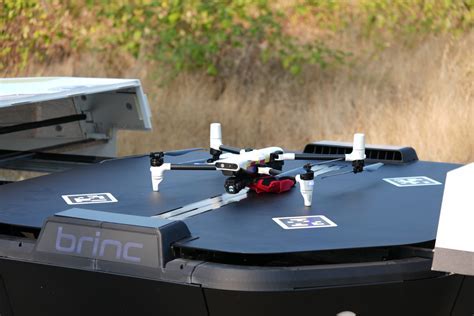
The BRINC Responder is purpose-built for public safety agencies. Equipped with high-resolution RGB, thermal capabilities, and low-light optimization, it allows for effective surveillance and tactical operations even in challenging conditions. Its two-way audio system facilitates communication with victims or suspects, a feature absent in most drones.
With a 45-minute flight time, U.S.-based manufacturing, and on-device data storage, the Responder is tailored to meet the strictest demands of law enforcement and emergency services.
Best Mapping Drone Alternatives
For survey-grade mapping, fixed-wing VTOL drones provide unmatched coverage.
The eBee X by AgEagle is a top-tier solution with 90 minutes of flight time, capable of mapping up to 500 hectares in a single flight. It supports RGB, multispectral, and thermal payloads, and its NDAA-compliant build ensures regulatory peace of mind.
Meanwhile, the WingtraOne Gen II offers VTOL capability, RTK support, and compatibility with ultra-high-end cameras like the Sony Alpha 7R IV. With a 10 km range and 59-minute endurance, it’s a powerful choice for engineering surveys, precision agriculture, and infrastructure planning.
Best Inspection Drone Alternatives
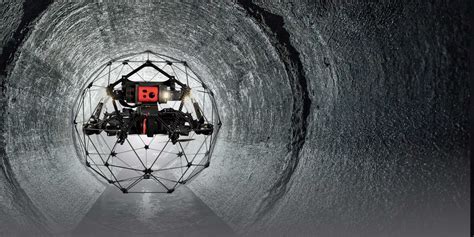
Inspections demand not only imaging quality but also durability and navigational precision.
The Autel Evo Max 4T delivers 8K resolution, 10× optical zoom, and 360° AI obstacle avoidance, making it suitable for utility and structural inspections. Its 42-minute flight time and reliable telemetry ensure efficient field operations.
For confined spaces, the Elios 3 is unmatched. It is collision-tolerant, equipped with both 4K and thermal sensors, and includes LiDAR SLAM for accurate 3D mapping inside silos, boilers, or tanks. Though limited to 12 minutes of flight, its safety and mapping accuracy are game-changing.
Another unique tool is the Voliro T5, a tri-copter capable of exerting 30 N of contact force for non-destructive testing (NDT). With its omnidirectional thrust and 4K dual cameras, it excels in inspecting power grids, oil tanks, and wind turbines.
Best Consumer Drone Alternatives
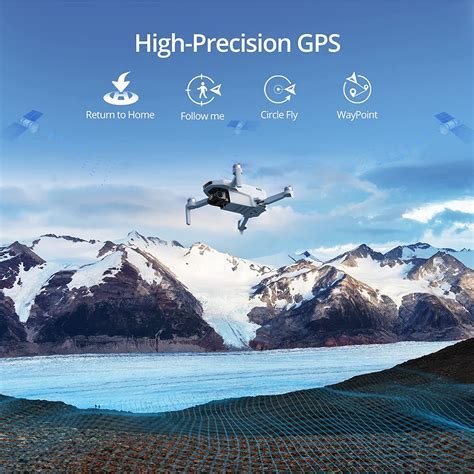
For recreational pilots and casual aerial content creators, several DJI alternatives shine in terms of value and functionality.
The Potensic Atom offers 4K UHD video, a 249 g ultralight frame, and 32 minutes of flight—all at a fraction of the cost of DJI’s Mini series. Its waypoint navigation and follow-me modes make it a solid entry-level drone with autonomy.
The Autel Evo Lite+ takes things further with a 1-inch CMOS sensor, 20 MP still images, and 6K video at 30 fps. Its foldable design, SkyLink transmission, and 40-minute endurance make it a formidable mid-tier option.
Another intriguing entry is the HoverAir X1 ProMax, a palm-sized autonomous drone weighing only 192 grams. Featuring 4K electronic stabilization, gesture controls, and 11 minutes of flight, it’s ideal for travel, social content, and casual aerial photography.
Frequently Asked Questions About DJI Alternatives
Can you get DJI-level image quality at a lower price? Yes. The Potensic Atom and Autel Evo Lite+ provide exceptional value, often matching or exceeding DJI’s Mini series in imaging performance and battery life.
What are the most budget-friendly non-DJI drones? The Potensic Atom and HoverAir X1 ProMax offer impressive features at consumer-friendly price points.
Which brands rival DJI in autonomous flight? Skydio, Parrot, and ACSL are leaders in autonomy, offering obstacle avoidance and automated flight paths that rival DJI’s most advanced models.
What’s the best alternative overall? That depends on your needs. For enterprise-level performance, the SOTEN and WingtraOne Gen II lead the way. For casual users, Potensic Atom stands out. FPV enthusiasts might prefer Walksnail Avatar.
Are Chinese-made drones a security risk? Many users and government agencies are shifting to non-Chinese brands due to ongoing security concerns and potential regulatory bans.
What’s the best U.S.-made drone? The Skydio X10 offers a secure, autonomous, and high-performance experience fully built in the United States.
Are any non-DJI drones compatible with DJI controllers? No. Each brand uses proprietary hardware and software ecosystems.
What drone is best for mapping and surveying? The WingtraOne Gen II stands out with RTK support, VTOL design, and high-resolution imaging for professional-grade mapping.
Do DJI alternatives have geofencing restrictions? No. Geofencing remains unique to DJI, giving alternatives greater operational freedom.
Best for commercial inspections? The Skydio X10 is currently the most robust all-purpose platform for commercial inspections.
As the drone market diversifies, drone pilots now have a rich landscape of non-DJI options to explore. Whether you prioritize data sovereignty, flight performance, or cost-efficiency, the tools above offer compelling reasons to look beyond the industry giant.