Rethinking Online Education: The Best Skillshare Alternatives for Modern Creators
Skillshare has long been a go-to platform for creators aiming to share their knowledge in video-based, asynchronous courses. With its robust marketplace of creative skills and seamless publishing process, it lowered the barrier to entry for countless educators. However, as the landscape matures and user needs evolve, Skillshare’s limitations have become increasingly pronounced. Instructors face fierce competition, limited brand autonomy, and frustrating monetization hurdles—like needing 25 students just to begin earning a modest $1–2 per enrollment.
In this article, we explore the most powerful and scalable Skillshare alternatives—platforms offering instructors full control over their content, better community engagement, and more sustainable income opportunities.
Why Creators Are Moving Away from Skillshare
Skillshare’s model appeals to newcomers, but its flaws become evident with experience:
-
Limited branding freedom: Courses live within Skillshare’s platform under strict design constraints.
-
Revenue bottlenecks: Instructors must acquire 25 students before earning, and are then paid just $1–2 per student.
-
No direct contact with learners: Instructors can’t access students’ emails or communicate freely beyond the platform.
-
Overcrowded marketplace: Skillshare prioritizes established names, making it harder for new creators to stand out.
In contrast, modern course platforms now empower creators with marketing tools, dedicated community spaces, advanced analytics, and full ownership of customer data.
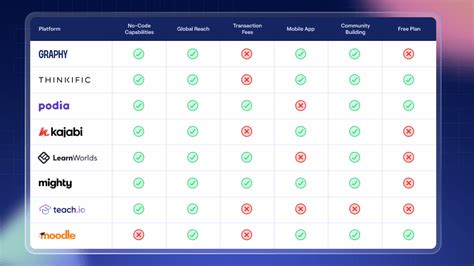
The Top Skillshare Alternatives for Serious Course Creators
Mighty Networks – A Unified Platform for Courses and Community
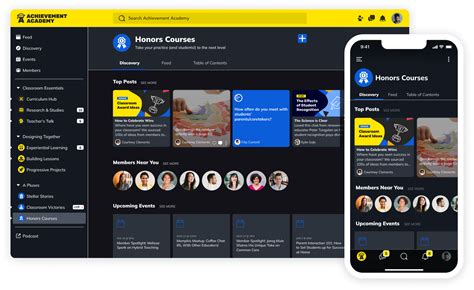
Mighty Networks has redefined what it means to teach online. Rather than separating content from community, it merges the two seamlessly into a branded, customizable experience. Instructors can offer:
-
Content-only courses,
-
Community-only memberships, or
-
Hybrid experiences that combine live sessions, discussion boards, and structured learning paths.
This structure fosters stronger student engagement and promotes retention via peer-to-peer interaction. The platform even includes AI-powered tools to refine course materials.
Drawback: It lacks a built-in discovery marketplace, meaning creators must bring their own audience—but they retain 100% ownership of that relationship.
Pricing: Starts at $41/month.
Kajabi – All-in-One Sales, Funnels, and Courses
If you’re focused on marketing automation, high-ticket sales, and funnel conversion strategies, Kajabi is unmatched. It supports:
-
Subscription products
-
Email campaigns
-
Course upsells and gated content
-
CRM integration and analytics
Kajabi also offers a polished, mobile-responsive website builder, letting you craft a seamless brand experience.
Drawback: Its $149/month starting price may deter newer creators. It also limits community customization and privacy features.
Best for: Entrepreneurs ready to scale a high-converting educational brand.

Thinkific – Affordable and WordPress-Compatible
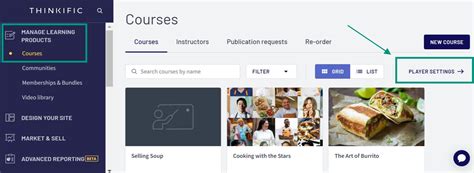
Thinkific is an ideal platform for creators seeking course customization without technical hurdles. Unlike Skillshare, it gives instructors the ability to:
-
Deliver quizzes, certificates, and multimedia lessons
-
Host courses under a custom domain
-
Use WordPress plugins for blog-style extensions or SEO-rich pages
Its free plan is generous, and paid options start at just $49/month. However, Thinkific lacks event-based learning features like live Q&As or virtual meetups, which limits student interactivity.
Best for: Instructors who prefer static, asynchronous teaching models.
Udemy – Massive Reach at the Cost of Ownership
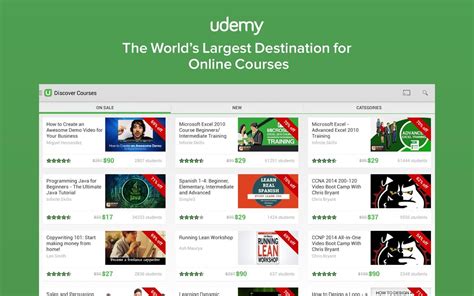
For instructors focused on exposure, Udemy remains one of the largest global platforms. Its algorithmic discovery engine, review system, and diverse course formats help attract thousands of students quickly.
However, the trade-offs are significant:
-
Instructors can lose up to 67% of their revenue
-
Udemy runs heavy discounts, often devaluing course pricing
-
Branding is controlled by the platform, not the creator
Best for: Beginners looking to test their course in a high-traffic environment, without long-term monetization goals.
Teachable – Certification and Affiliate Marketing Built In
Teachable blends ease-of-use with essential monetization features. It allows you to:
-
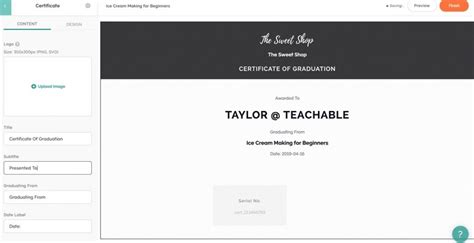
Issue completion certificates
-
Use affiliate programs to grow your audience
-
Embed multimedia and custom pages
-
Run on a custom domain
Its user interface is intuitive, and its pricing starts at $59/month + 5% transaction fees. However, its community tools are weak, and the platform’s instructor app remains limited.
Best for: Educators who value simplicity with some eCommerce integrations.
Podia – All-in-One Platform for Memberships, Downloads, and Courses
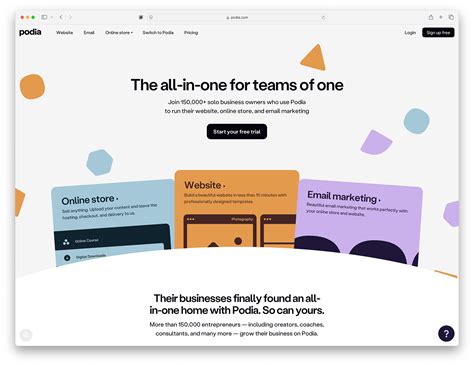
Podia stands out as a versatile platform for digital creators. Besides courses, it supports:
-
Membership subscriptions
-
Digital product downloads
-
Email marketing campaigns
-
Webinar hosting and live events
You can build your entire site on Podia and monetize various assets under one roof. Pricing starts at $39/month + 5% fees, making it accessible for bootstrapped creators.
Drawback: Advanced analytics and reporting tools require third-party integrations. Its course structures can also feel unconventional to traditional educators.
Best for: Content entrepreneurs looking for flexibility beyond just video courses.
What Truly Makes a Platform Better Than Skillshare?
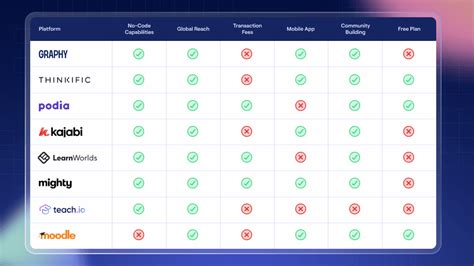
After analyzing these six alternatives, it’s evident that modern educators need more than just a video upload feature. A successful course platform must offer:
-
Full ownership of student relationships and branding
-
Customizable learning journeys that go beyond passive viewing
-
Built-in community features to foster engagement
-
Multiple revenue streams, not limited to pay-per-student
-
Marketing automation and analytics to scale effectively
While Skillshare provides simplicity and a starter audience, its structure inhibits long-term creator growth. Platforms like Mighty Networks, Kajabi, and Podia align more closely with the business models of modern educators who want to grow communities and convert their skills into scalable income.
Final Thoughts: Building a Sustainable Creator Business
The era of passive content delivery is fading. Today’s creators are building full-fledged ecosystems around their knowledge—communities, digital products, coaching, and recurring revenue streams. Skillshare alternatives that integrate these features are not only better suited to this shift but are actively shaping the future of education.
Platforms like Mighty Networks empower creators to build private communities with tailored courses and events. Kajabi turns educational funnels into powerful businesses. Thinkific and Podia give flexible, budget-friendly options to build authority under your own brand.
If you’re ready to move past the limitations of Skillshare, these platforms offer not just an alternative—but a significant upgrade.
FAQ
Is Skillshare good for beginners?
Yes, Skillshare is user-friendly and offers a ready-made marketplace, which is helpful for creators without an existing audience. However, its limited payout model and lack of branding control often frustrate instructors over time.
Which Skillshare alternative is best for community building?
Mighty Networks excels at merging community, courses, and events. Its design encourages student interaction, feedback loops, and networking—key components for higher retention and transformation.
What platform offers the best marketing tools?
Kajabi is the strongest choice for marketing-driven instructors. Its automation tools, landing pages, sales funnels, and email marketing features provide a professional-grade setup for scaling your course business.