In the aviation training sector, efficient scheduling isn’t just a convenience—it’s an operational necessity. As flight schools grow in size, fleet, and complexity, the demand for digital platforms that can manage instructor availability, student progress, maintenance tracking, billing, and FAA compliance becomes critical. With a range of solutions now available, selecting the right flight school scheduling app can significantly influence daily operations and long-term student satisfaction. After an extensive analysis of user experiences, performance benchmarks, and platform features, we present a comprehensive overview of the best flight school scheduling apps in 2025.
Flight Schedule Pro (FSP): A Modular Powerhouse
Flight Schedule Pro (FSP) remains one of the most widely adopted solutions in the flight training industry. Its modular architecture allows schools to scale functionality based on operational needs—starting from basic scheduling all the way up to Part 141 compliance tracking, maintenance work orders, instructor payroll, and billing systems.
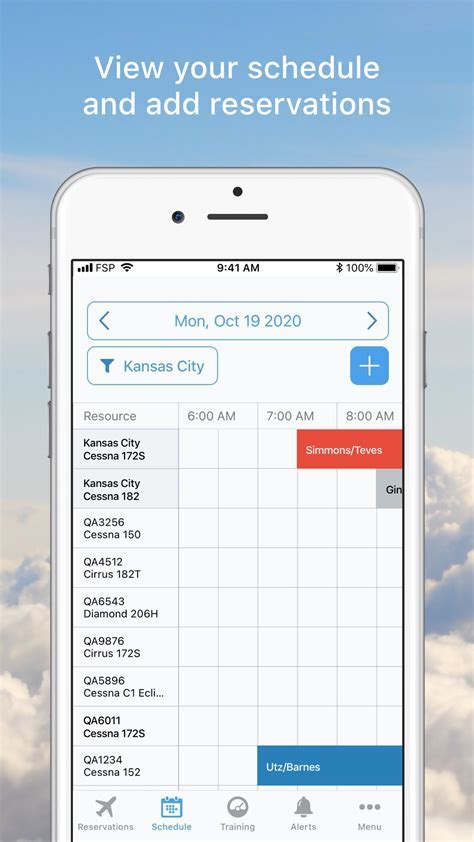
FSP has built a solid reputation over the years for its robust back-end and flexible modules. Users highlight its ability to integrate flight logs, dispatch systems, aircraft availability, and progress tracking seamlessly. However, it isn’t without drawbacks. Despite its widespread use, many instructors and students report a dated user interface and non-intuitive navigation, especially on mobile devices. Admins appreciate the detailed backend, but the learning curve can be steep.
The pricing is not publicly listed and often requires direct contact, which can be off-putting for budget-conscious schools. That said, its highly detailed maintenance tracking, FAA record integration, and multi-campus support make it ideal for medium to large-sized institutions.
Flight Circle: Budget-Friendly with Solid Utility
One of the fastest-growing contenders in recent years is Flight Circle, a lightweight, cost-effective scheduling app priced at around $10/month per aircraft. Its value lies in its simplicity and breadth of features for the price point, making it particularly appealing for smaller flight schools and flying clubs.
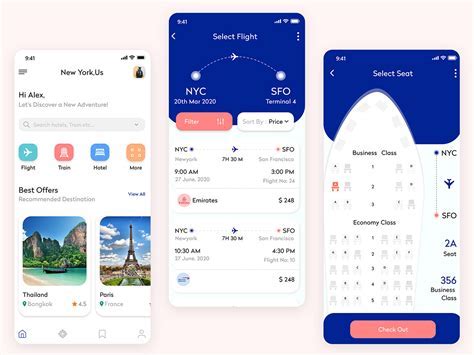
Flight Circle supports a range of operations, including:
- Aircraft scheduling
- Maintenance logging and discrepancy tracking
- Digital document storage (e.g., POHs, insurance)
- Invoicing and payments
- Instructor time logging
Users appreciate its intuitive design and responsive customer support, though some mention occasional bugs that require follow-up with tech teams. Importantly, its web interface and mobile app both function well, enabling smoother experiences across different user roles—CFIs, students, admins, and maintenance staff.
HoldShort: Simplicity First
For schools that prioritize ease of use over deep customization, HoldShort provides a lean but functional alternative. It excels in its streamlined UI, offering quick access to scheduling, instructor availability, and aircraft reservations with minimal friction.
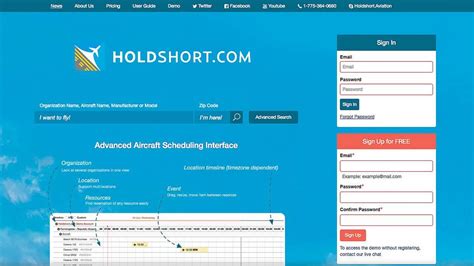
The app’s simplicity is frequently cited as a key strength by both instructors and students. It’s particularly effective in environments where tech adoption might be a hurdle, as its design requires almost no onboarding. However, HoldShort does lack many of the more advanced features found in FSP or Flight Circle—such as billing automation, syllabus tracking, or advanced maintenance reports. For small schools or new training operations, it remains a strong starter option.
Private Radar: High Potential, Mixed Reviews
Private Radar has received polarized feedback. While some schools find its feature set promising, others report workflow frustrations, especially around aircraft checkout policies, billing complexity, and interface usability.
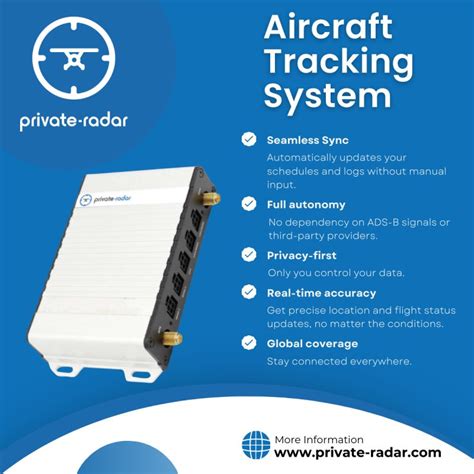
On paper, Private Radar supports:
- Scheduling and dispatching
- Billing and financial reporting
- Progress tracking
- Maintenance operations
In practice, users criticize its rigid controls, such as preventing aircraft checkout without staff intervention and unintuitive user flows. These constraints can bottleneck operations during busy periods. However, it still sees use in larger schools that prioritize security and administrative control, often after transitioning from legacy systems like Schedule Master.
Schedule Master: Legacy Platform with Devoted Users
Despite its dated user interface and limited development roadmap, Schedule Master continues to function reliably for many flight schools. It boasts a long history in the industry, and while not particularly feature-rich, its customer service and stability earn it loyal supporters.
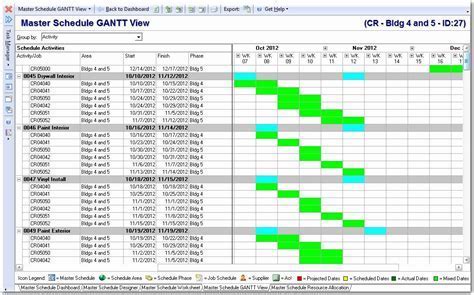
It’s best for schools with low technical demands, where a simple calendar-style system and responsive support matter more than cutting-edge tools. Its customization options and ability to run smoothly across various browsers give it an edge in certain legacy setups.
MyFBO: Comprehensive But Under the Radar
MyFBO remains a lesser-known yet highly configurable platform. It offers modules for:
- Scheduling
- Billing
- Flight training syllabi
- Maintenance tracking

Although the UI is not modern by today’s standards, schools appreciate its reliability and attention to operational depth. One-time setup and occasional maintenance hiccups aside, MyFBO works well in clubs or small to mid-sized flight schools. Users frequently cite the lack of updates as a downside, but its low cost and effectiveness keep it in the mix.
NeedleNine: A Rising Contender for Multi-Site Schools
NeedleNine has been gaining traction, especially in schools with multiple locations. It supports complex tasks such as:
- Billing and payroll
- Aircraft maintenance
- Student syllabus and progress tracking
- Discrepancy reporting
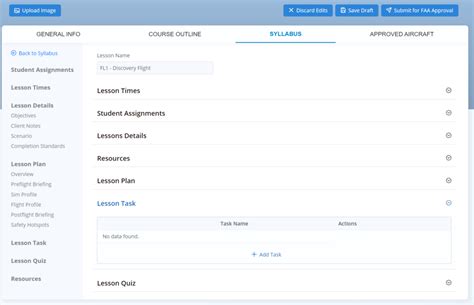
While its student-facing experience is generally smooth, the admin panel requires some adaptation time. For schools needing multi-site support, or those growing from a small to medium operation, NeedleNine offers a strong foundation with a promising development trajectory.
Apps to Avoid: Talon, TFBO, and SchedulePointe
While preferences can vary, there is near-consensus in the flight training community around a few platforms that have fallen behind modern expectations:
- Talon is often criticized for its outdated interface, lack of feature updates, and buggy mobile experience.
- TFBO hasn’t seen significant updates in over a decade, making it unfit for contemporary training operations.
- SchedulePointe, although serviceable, is often described as a glorified calendar with limited tracking capabilities and poor integration options.
Honorable Mentions and Niche Tools
- TailPlane: A newer entrant still under development but offers free use and solid core scheduling functionality.
- FlightLogger: Popular in European markets and some U.S. schools, particularly where syllabus compliance and documentation are critical.
- MyFlightBook: Ideal for flying clubs, offering a free club feature with low ongoing costs and decent scheduling and logging tools.
Conclusion: Match Your App to Your Mission
The decision on the best flight school scheduling app depends on your school’s size, budget, and feature requirements. For those who require end-to-end management, FSP remains the most powerful—albeit with a learning curve and price point. Schools seeking affordability and solid tools should consider Flight Circle, while those prioritizing simplicity may find HoldShort a perfect fit.
Regardless of choice, the right platform should not only manage schedules but also enhance your operational flow, improve student engagement, and support instructor productivity. In the competitive world of aviation training, investing in the right digital tool is not optional—it’s strategic.