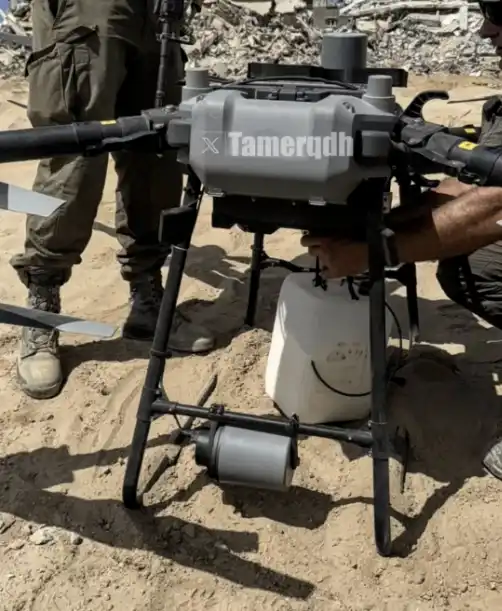
The militarisation of civilian drone technology has reached a disturbing milestone in Gaza. A comprehensive investigation by Al Jazeera’s Sanad agency reveals that Israel has been retrofitting commercial DJI drones—originally designed for agricultural and recreational purposes—to conduct surveillance and execute bombing operations targeting civilian areas, hospitals, and shelters. This strategic adaptation of low-cost, high-capability platforms introduces a new layer of asymmetry in modern conflict, blurring lines between consumer tech and instruments of war.
Commercial Drones Turned Combat Tools
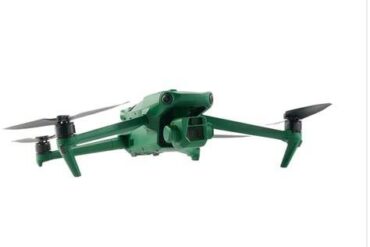
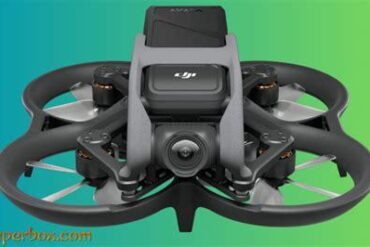
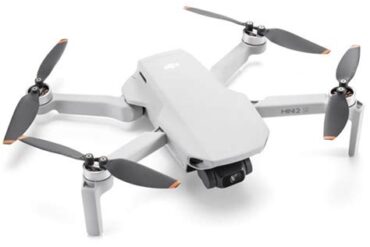
The Chinese-manufactured DJI drones, including models like the Agras, Mavic, Avata, and Matrice series, were never intended for warfare. Yet, the Israeli military has reportedly modified these drones to deploy explosive payloads, map urban terrain, and surveil individuals under conditions that may amount to war crimes. According to the Sanad investigation, these drones have been documented targeting critical infrastructure, such as the IHH Turkish charity building in Jabalia and shelters operated by the United Nations.
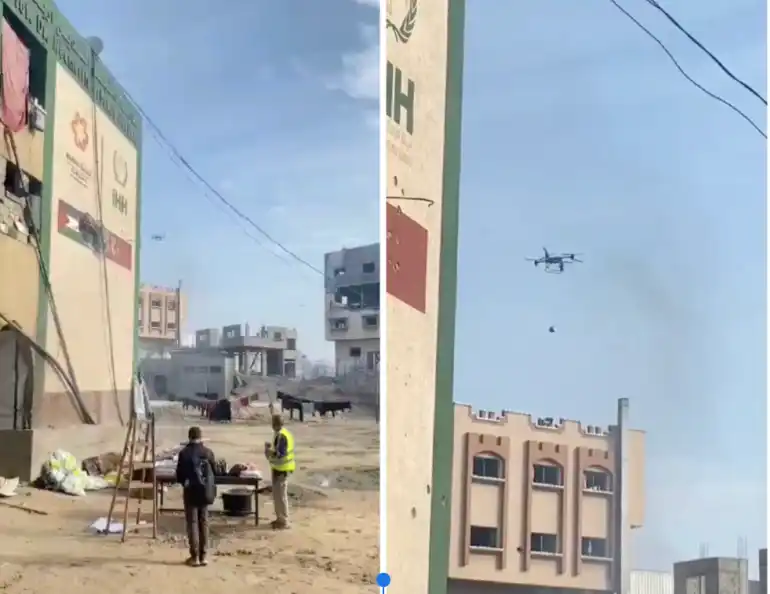
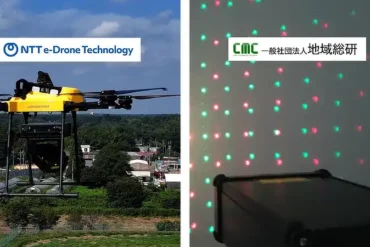
The use of DJI’s Agras model, in particular, stands out. Designed to spray pesticides over farmland, the Agras drone’s high payload capacity and stable flight mechanics have made it ideal for being weaponised. Footage from July 2024 shows an Agras drone dropping explosives near a school and shelter in northern Gaza. Later that year, another Agras drone struck a residential area in Beit Lahia, igniting panic among civilians who had already been displaced by Israeli shelling.
From Monitoring Crops to Mapping Warzones
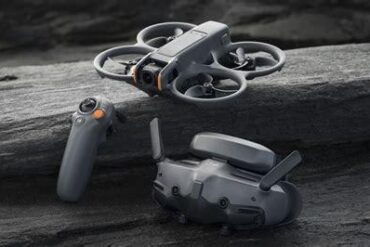
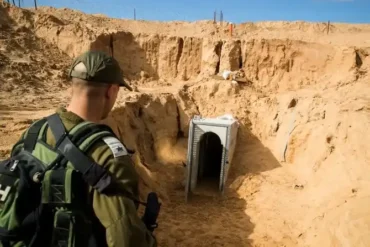
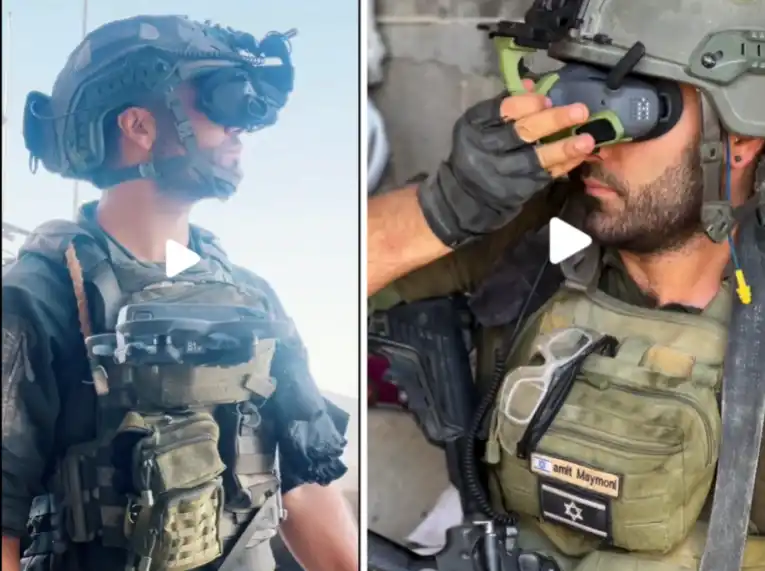
While the Agras model leads in direct assault capability, the DJI Avata and Mavic series play key roles in reconnaissance and surveillance. These drones, equipped with high-definition cameras and stabilised gimbals, are used for navigating Gaza’s dense urban environment and tunnel networks. One particularly harrowing video, obtained by Al Jazeera, shows an Avata drone tracking a Palestinian detainee being coerced into scouting a school for potential combatants—a clear violation of international humanitarian law.
This footage, captured in Shujaiya in December 2023, shows the detainee walking ahead of heavily armed Israeli soldiers, opening doors under drone surveillance. The optics and optics-assisted navigation of DJI drones, coupled with first-person view (FPV) goggles, make them invaluable for such high-risk operations. Yet this also underscores a chilling transformation: from cinematic tool to complicit witness in human rights violations.
Drone Strikes Amid Humanitarian Collapse
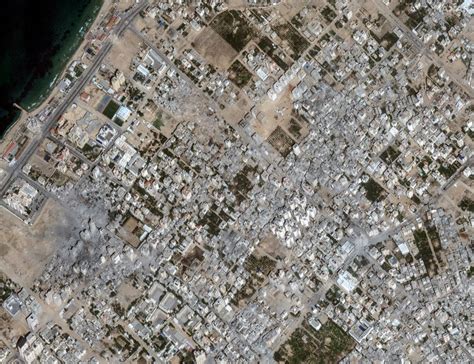
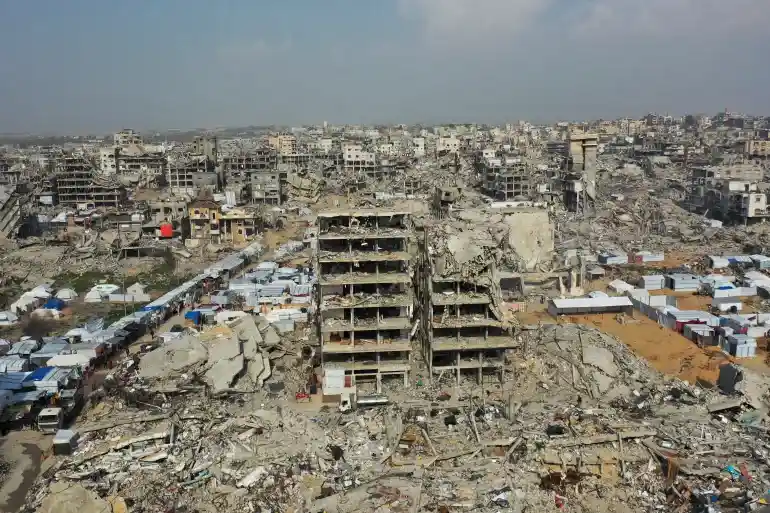
By late 2024, Israel’s siege of northern Gaza had plunged the region into what the United Nations described as “apocalyptic” conditions. Displaced communities, lacking access to food, medical care, and shelter, reported an increasing presence of drones hovering over civilian infrastructure. Residents identified them not by military markings, but by the familiar silhouette of DJI models now synonymous with lethal precision.
The attack on the IHH Turkish charity building was not an isolated incident. In November, a similar drone strike in Beit Lahia targeted civilians fleeing bombardments at a UN school. Witnesses described a deliberate tactic designed to “break morale” and deepen psychological trauma.
Such operations reflect an intentional military doctrine that exploits commercially available technologies for cost-effective, scalable force application. The economic disparity between these modified drones and conventional airpower is stark: drones costing a few thousand dollars now accomplish missions once reserved for multimillion-dollar aircraft.
DJI’s Silent Contradictions
This is not the first time DJI has faced criticism for the weaponisation of its drones. During the Russia-Ukraine conflict in 2022, DJI took the extraordinary step of suspending all product sales in both nations. The company also introduced firmware restrictions to prevent flights over military zones and imposed altitude limits. At the time, DJI declared: “We will never accept any use of our products to cause harm.”
However, the company has taken no such action regarding its ongoing sales in Israel.
In statements to Al Jazeera, DJI reiterated its claim that their products are meant solely for civilian use and that they “condemn any harm caused by their drones.” Yet, when pressed on whether they would halt sales to Israel or implement restrictions, the company did not respond. This double standard—one policy for Ukraine, another for Gaza—raises urgent ethical and legal questions.
Historic Military Use of DJI by Israel
Israel’s use of DJI drones dates back well before the current war in Gaza. In 2018, the Israeli military reportedly employed DJI’s Matrice 600 model to drop tear gas canisters on demonstrators during the Great March of Return. Human rights organisations, including the Israeli campaign group Hamushim, documented their deployment in crowd control and protest suppression.
What is unfolding in Gaza, however, represents a dangerous evolution: drones are now not only tools of observation or crowd control, but platforms of targeted lethality. This sets a dangerous precedent where non-military technologies, readily available on global markets, become embedded within formal military doctrines.
Wider Implications for Urban Warfare
The adaptation of DJI drones for warfare illustrates a radical shift in modern conflict: the democratisation of precision. Where once only states could deploy precision air strikes, now even non-state actors—or state actors using consumer technology—can replicate these tactics. The consequences are far-reaching:
- Lower barriers to escalation: As drone warfare becomes more accessible, so does the temptation to use it more often.
- Ambiguity of accountability: Civilian technology used in war complicates legal accountability for manufacturers and governments alike.
- International legal limbo: There is currently no enforceable framework regulating the military modification of commercial drones.
These developments are especially dire in urban theatres like Gaza, where civilian density and infrastructure interweave, making precision both a necessity and an ethical minefield. The capacity to surveil and strike from above—without the visible presence of soldiers—compounds civilian fear and limits humanitarian response.
Calls for Oversight and Corporate Responsibility
International organisations and human rights groups are increasingly calling for greater corporate accountability when it comes to dual-use technologies. DJI’s inaction in response to clear evidence of misuse contrasts starkly with its decisions during the Russia-Ukraine war. If the company truly maintains a policy of neutrality and non-lethality, then it must:
- Enforce no-fly zones in conflict areas like Gaza.
- Suspend sales to militaries credibly accused of war crimes.
- Publicly disclose how its products are being used in global conflict zones.
Without such steps, DJI risks becoming not just a silent witness, but a tacit enabler of military aggression. The absence of regulation means the burden falls, in part, on manufacturers to act responsibly—or face reputational damage and potential legal action in jurisdictions where complicity in war crimes is prosecutable.
Conclusion: A Call for Global Scrutiny
The findings of the Sanad investigation must serve as a wake-up call to governments, technology firms, and civil society. In Gaza, the weaponisation of DJI drones exemplifies how technological innovation without ethical oversight can rapidly descend into atrocity. The conversion of consumer drones into tools of war has allowed powerful actors to project force with minimal visibility and reduced cost, undermining long-established norms of warfare.
If these trends continue unchecked, we risk entering a world where any piece of consumer tech—whether a drone, a camera, or even a phone—can be weaponised. The precedent set in Gaza is not just a regional crisis; it is a global warning. Technology does not choose its purpose—we do.