The international humanitarian effort to deliver aid to Gaza has once again come under fire—literally. In the early hours of May 2, a ship from the Freedom Flotilla Coalition, laden with humanitarian supplies and peace activists, was struck by drones while sailing in international waters off Malta. The incident, which the NGO attributes to Israeli forces, underscores the increasing volatility and geopolitical tensions surrounding Gaza’s blockade.
A Mission of Mercy Interrupted
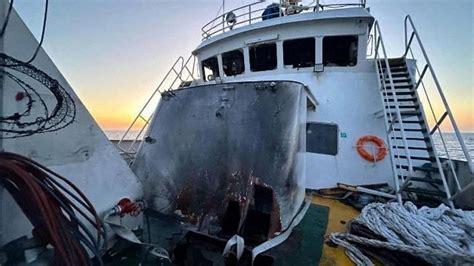
The vessel, identified as the Conscience, was part of a carefully orchestrated mission to breach the long-standing blockade on Gaza and provide critical aid to its besieged population. According to Freedom Flotilla Coalition representatives, the ship was targeted by drone strikes in the dead of night, igniting a fire on board and causing significant structural damage. Video footage shared by the NGO revealed a harrowing scene: a blaze consuming parts of the ship, accompanied by the ominous sound of nearby explosions and the flicker of drone lights in the pitch-dark sky.
While no fatalities have been reported, the psychological impact on those involved has been immense. The vessel was carrying 12 crew members and four civilians, although Freedom Flotilla insists the total number of people involved in the mission, including those meant to board later, was around 30. The Maltese authorities confirmed that a mayday call was received shortly after midnight, and a tugboat dispatched for firefighting operations successfully extinguished the blaze after several tense hours.
International Response and Outcry
The attack has elicited swift and sharp reactions from multiple governments and human rights organizations. The Turkish foreign ministry condemned the assault, emphasizing that Turkish nationals were on board at the time and pledging full cooperation with Malta to secure their safe return. “We condemn in the strongest terms this attack on a civilian ship,” Turkey’s statement read, highlighting the severe breach of international maritime law.
Swedish activist Greta Thunberg, a prominent figure in the environmental and humanitarian arenas, was set to join the mission but had not yet boarded the Conscience. Speaking from Malta, Thunberg described the attack as a devastating blow to peace efforts. “This explosion and the resulting damage made it impossible for the mission to continue. We had aimed to create a humanitarian corridor and challenge Israel’s illegal siege on Gaza,” she stated.
The Silence of Accusation
At the heart of the controversy is the allegation that Israel orchestrated the drone attack. Despite mounting international scrutiny, the Israeli foreign ministry has yet to issue a formal response to the accusations. Historically, Israel has maintained a firm stance on intercepting vessels attempting to breach the Gaza blockade, often citing security concerns about preventing arms smuggling to Hamas militants. This most recent incident, however, occurred in international waters, raising severe questions about the legality of such an intervention.
The Maltese government, while refraining from assigning blame, confirmed the timeline of events and highlighted the cooperation between its maritime authorities and civilian vessels in ensuring the safety of those affected. “The vessel and its crew were secure after coordinated efforts between the tug and Maltese patrol services,” stated the government, while also noting that the crew refused evacuation from their ship despite the damage.
Broader Implications: Humanitarian Crisis and Military Tensions
The backdrop to this incident is the deepening humanitarian crisis in Gaza. Following the breakdown of a ceasefire in March between Israel and Hamas, violence has escalated, and the blockade has tightened further. According to international aid agencies, Israel has completely halted all supplies to Gaza’s 2.3 million residents since March 2, with previously stockpiled food supplies nearly exhausted. The conflict’s human cost is staggering: Israel reports over 1,200 deaths and 251 hostages taken during Hamas-led attacks on October 7, 2023, while Palestinian health officials estimate over 52,000 deaths as a result of Israel’s ongoing military offensive.
Israel accuses Hamas of exploiting humanitarian aid for military purposes, a charge Hamas denies, asserting that Israel’s blockade constitutes a form of collective punishment. The Freedom Flotilla’s mission was a direct response to this narrative, aiming to provide unobstructed humanitarian relief while bringing international attention to the siege’s devastating effects.
Historical Context: Echoes of Past Confrontations
This is not the first time the Freedom Flotilla has been embroiled in violent encounters with Israeli forces. Notably, in 2010, a similar mission ended in tragedy when Israeli troops stormed the flotilla, resulting in the deaths of nine activists. Since then, numerous attempts to breach the blockade have met with forceful interception, though without further loss of life until this latest escalation.
Hamas, seizing on the latest incident, has labeled the drone strike as “piracy” and “state terrorism,” amplifying calls for accountability on the global stage. The Freedom Flotilla Coalition has demanded that Israeli ambassadors be summoned and held accountable for what they describe as a flagrant violation of international law.
The Road Ahead: Seeking Justice and Clarity
In the aftermath of the attack, multiple stakeholders are calling for thorough investigations. The Freedom Flotilla Coalition insists on transparency, vowing to pursue legal avenues to bring the perpetrators to justice. Meanwhile, Malta’s government is collaborating with international bodies to piece together a complete picture of the incident.
The episode spotlights the precarious balance between security imperatives and humanitarian obligations in the volatile Gaza region. As the international community grapples with competing narratives and mounting evidence, the fundamental question remains: How can aid missions be safeguarded in a theater of protracted conflict?
The Freedom Flotilla’s latest ordeal adds a chilling chapter to the ongoing saga of Gaza’s blockade, reinforcing the urgency for diplomatic solutions that prioritize human lives over political posturing. Until then, aid workers and activists continue to navigate dangerous waters, both literally and figuratively, in their quest to alleviate human suffering.