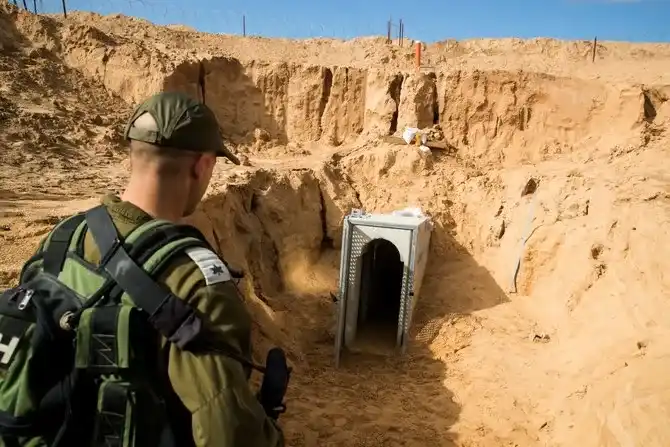
The Gaza Strip, a region plagued by decades of conflict and blockade, houses one of the most sophisticated underground tunnel networks in the world. While often discussed in military and political terms, the significance of these tunnels goes far beyond their use in warfare. These tunnels, built over many years, serve a variety of purposes, ranging from military operations to economic survival. In this article, we explore the scale, evolution, military implications, economic role, and future challenges of the Gaza tunnel system, shedding light on how it has shaped the region and its ongoing conflict.
1. The Scale and Structure of the Gaza Tunnel Network
The Gaza tunnels, often referred to as “Hamas tunnels,” represent a colossal underground infrastructure that stretches across the region. With a total length exceeding 500 kilometers, these tunnels form an extensive network that spans deep beneath the surface, some going as far as 25-70 meters below ground. Their scale and depth are remarkable, creating a complex and resilient system that has withstood numerous attempts to destroy it.
Length and Depth: A Vast Underground Web
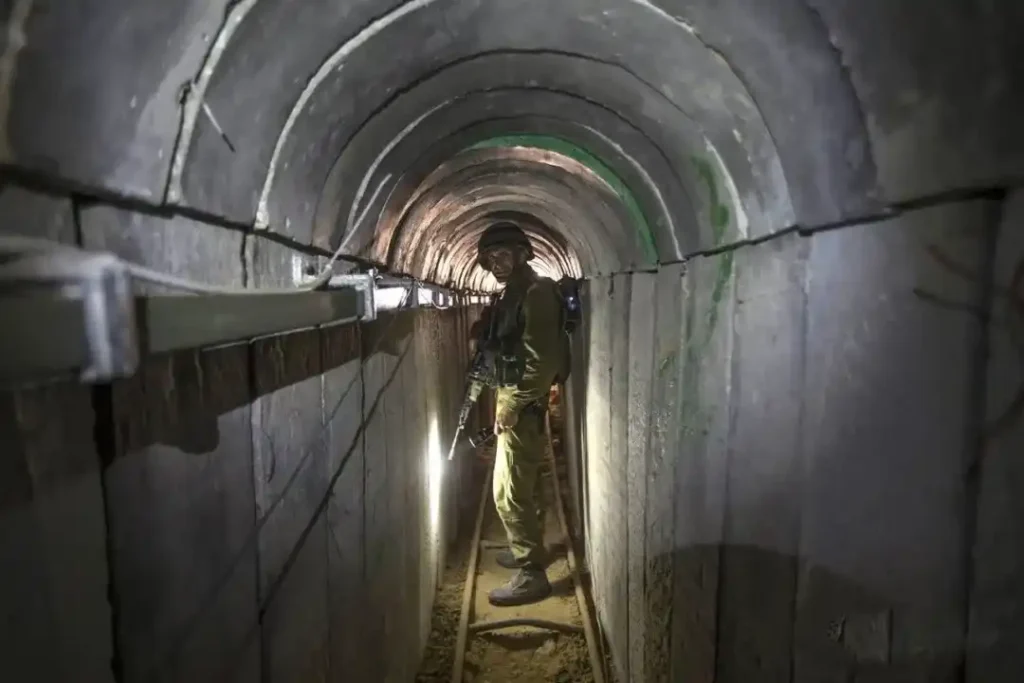
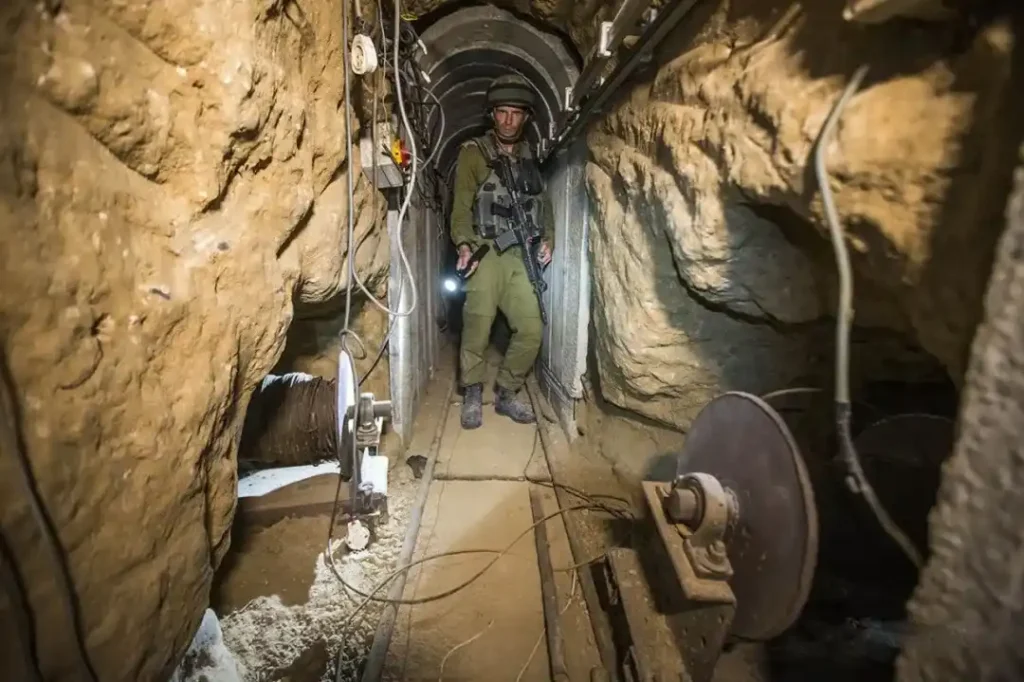
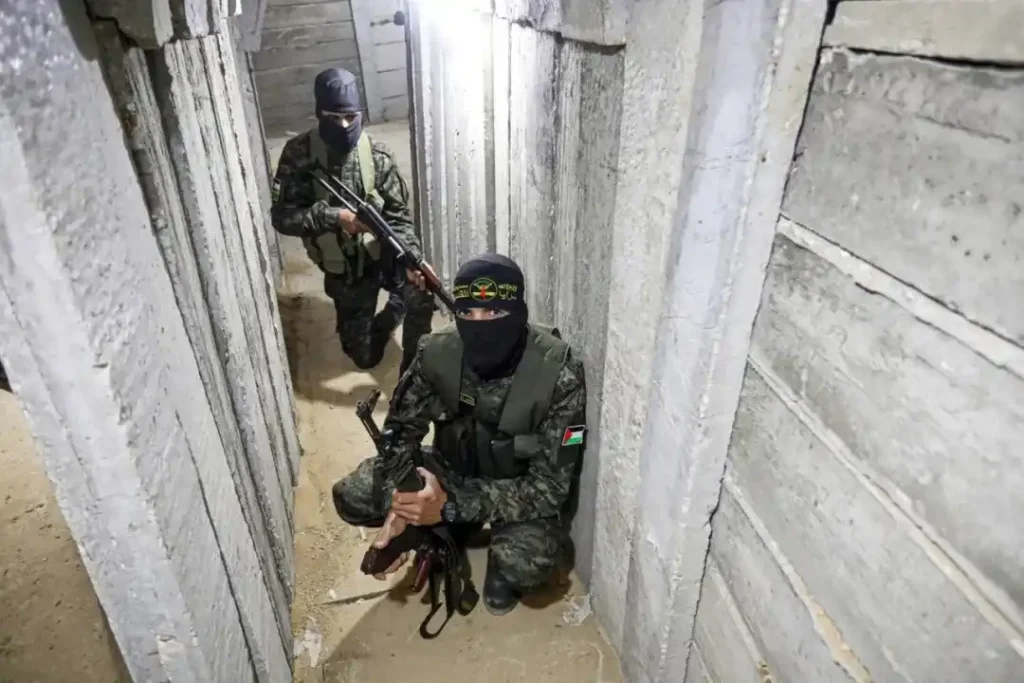
According to Hamas, their tunnel network exceeds 500 kilometers, although the Israeli military estimates the number of tunnels at around 1,300. Some of the main tunnels are approximately 1.83 meters wide, enough for individuals to walk upright. These tunnels are equipped with rails, electrical systems, and in some cases, ventilation to ensure a degree of livability underground. Their construction is a testament to the ingenuity and determination of the groups that built them, allowing them to remain hidden from aerial surveillance while providing critical support for both military and civilian operations.
Functional Divisions: Military, Smuggling, and Humanitarian Roles
The tunnels serve a variety of functions, each of which plays a crucial role in the region’s security, economy, and day-to-day survival. The main uses of the Gaza tunnel system include:
Military Use
One of the primary purposes of the Gaza tunnels is for military operations. These underground passages act as hidden routes for command centers, weapon storage, and rocket launch sites. Some of these tunnels extend all the way into Israel, facilitating cross-border attacks, kidnapping operations, and surprise raids. A notable example occurred in 2006 when Hamas militants used a tunnel to abduct an Israeli soldier, Gilad Shalit. This bold act demonstrated the strategic importance of the tunnels in enabling surprise military strikes and infiltrations.
Smuggling and Humanitarian Routes
The tunnels also served as critical pathways for smuggling goods into Gaza. Before Israel’s blockade in 2007, as many as 2,500 smuggling tunnels were operational, providing an essential lifeline for civilians in the blockaded region. Through these passages, smuggled goods such as food, medicine, fuel, and even livestock were brought in from neighboring Egypt. The tunnels were essential in alleviating the dire shortages caused by the blockade and allowed the Gaza economy to function despite the restrictions placed on imports.

2. The History and Evolution of the Gaza Tunnel Network
The roots of Gaza’s tunnel system trace back to the 1960s, when the first tunnels were built for smuggling purposes. Over the decades, their use evolved, and by the early 2000s, Hamas had begun militarizing the tunnel network, turning it into a strategic asset for conducting warfare.
Origins and Early Development
The first tunnels were constructed as early as the 1960s for the purpose of smuggling goods across the border between Gaza and Egypt. These initial tunnels were rudimentary, designed to bypass border checkpoints and the restrictions imposed by Israel. However, by 2001, Hamas began shifting the focus of the tunnel network toward military applications, laying the groundwork for the extensive system seen today.
Expansion and Militarization: The Hamas Era
After Hamas took control of Gaza in 2007, the organization rapidly expanded the tunnel network, using international aid funds and construction materials to build more extensive and complex passages. Learning from conflicts in places like Syria and Iraq, Hamas refined the techniques for constructing reinforced tunnels that could withstand airstrikes and other forms of attack. This period marked the start of an era where tunnels became a central element of Hamas’s asymmetric warfare strategy.
Countermeasures and Technological Advances
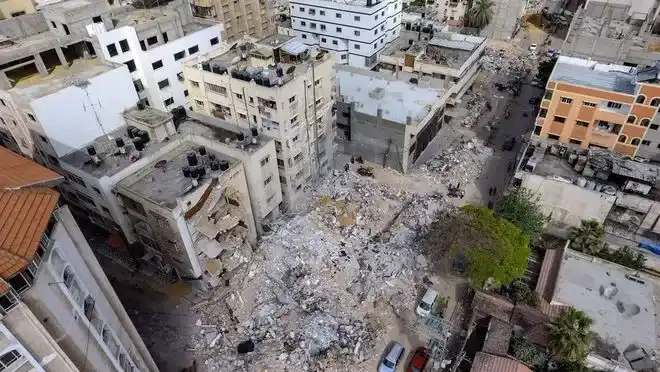
Since 2014, Israel has implemented a series of technological and military countermeasures to combat the growing threat posed by the Gaza tunnels. These measures include the construction of an underground concrete barrier around Gaza, equipped with sensors to detect any tunnel activity. Additionally, Israel has carried out numerous airstrikes targeting tunnels, using specialized munitions like the GBU-39/B small diameter bomb and MPR-500 bombs, designed to penetrate up to 30 meters of earth. Despite these efforts, Hamas has consistently rebuilt and expanded its tunnel network, demonstrating the resilience and adaptability of this underground infrastructure.
3. The Military Impact: Tunnels as a Game-Changer in Warfare
The presence of such an extensive and well-developed tunnel system in Gaza has had profound implications on the military dynamics of the conflict between Hamas and Israel. These tunnels provide Hamas with significant tactical advantages that have allowed it to challenge Israel’s technological superiority in several key ways.
Strategic Advantages in Urban Warfare
The tunnels provide Hamas with the ability to evade aerial surveillance and avoid detection by Israeli drones, making it difficult for the Israeli military to accurately target militants hiding underground. The tunnels also enable rapid movement of personnel and weapons, allowing Hamas to launch surprise attacks, regroup, or relocate its fighters without being detected. The use of tunnels effectively neutralizes the technological advantage that Israel has in air superiority and satellite surveillance, forcing Israel to adopt a much more complex strategy when conducting operations in Gaza.
One notable example of tunnel warfare occurred in October 2023, when Hamas militants used the tunnels to infiltrate 3 kilometers into Israeli territory and launch an attack. This attack was a stark reminder of the tactical importance of the tunnels and their potential to bypass traditional defense measures.
Israel’s Response: Countermeasures and Specialized Units
In response to the growing threat posed by the tunnels, Israel has developed a range of countermeasures aimed at neutralizing them. Airstrikes, as mentioned, are used to destroy tunnel entrances, while specialized units, such as the “Weasel” engineering teams, are tasked with infiltrating and demolishing tunnels from within. These units are equipped with advanced technology, including magnetic sensors, robotics, and night vision devices, to locate and disable tunnels.
Additionally, Israel has deployed “sponge bombs”—a form of explosive designed to seal tunnel entrances, making them inoperable. Despite these efforts, the task of fully dismantling the tunnel network is a complex and lengthy process, with experts predicting that it could take years to completely eradicate the system.
4. Economic and Social Roles of Gaza’s Tunnels
While much of the international discourse on Gaza’s tunnels focuses on their military use, the tunnels have also played a significant role in the economic and social fabric of Gaza. The tunnels have allowed the region to function under extreme conditions, providing essential goods and employment to millions of people.
The Economic Lifeline
Before the full enforcement of the blockade, up to 75% of the goods in Gaza were smuggled through the tunnels. This included everything from food and fuel to construction materials and medicine. With the blockade in place, the tunnel network provided an alternative means of trade, ensuring that essential goods reached Gaza’s civilian population. This reliance on smuggling created an underground economy that helped sustain Gaza through years of isolation and siege.
At its peak, the tunnel system employed around 12,000 to 15,000 people in a variety of roles, from tunnel diggers to smugglers, to those involved in the maintenance and operation of the underground network. This provided a much-needed source of income for many families who otherwise had few employment options due to the ongoing conflict and blockade.
Cultural Symbolism: The Tunnels as a Symbol of Resilience
The tunnels also became a symbol of the resilience and resourcefulness of Gaza’s population. Despite the hardships imposed by the blockade, the people of Gaza found ways to survive and adapt. For many, the tunnels represented a lifeline to the outside world—offering not only material goods but also a sense of agency in a region where they often felt powerless.
In popular culture and public discourse, the tunnels became an emblem of resistance, demonstrating Gaza’s ability to withstand external pressures. The tunnels facilitated the smuggling of medical supplies, food, and even Western consumer goods like KFC, symbolizing how the people of Gaza managed to maintain a connection with the outside world despite the blockade.
5. The Future of Gaza’s Tunnels: Complex Challenges Ahead
As Israel continues its efforts to dismantle the tunnel network, the future of the Gaza tunnels remains uncertain. While military strategies are focused on neutralizing the tunnels, the implications of their destruction extend far beyond warfare.
The Challenges of Complete Destruction
Experts warn that fully eliminating the Gaza tunnels will be a multi-year process, requiring substantial resources and time. In addition to the immense technical difficulties involved in locating and destroying the tunnels, there are also significant humanitarian concerns. The collapse of tunnels could lead to the destruction of homes, civilian infrastructure, and even the deaths of non-combatants trapped within the tunnels.
Furthermore, if the tunnel network is completely destroyed, the economic consequences for Gaza could be severe. Without the tunnels, Gaza’s economy, which is already deeply impacted by the blockade, would face even greater challenges in obtaining essential goods and services.
Potential Humanitarian Crisis
The destruction of the tunnel system could trigger a widespread humanitarian disaster. With tunnels playing such a central role in delivering goods, particularly during the blockade, the collapse of the underground network would severely exacerbate existing shortages and potentially lead to starvation, disease, and human suffering on a massive scale.
The Gaza tunnels, both as a tool of war and a vital economic artery, continue to shape the region’s history. They represent a complex reality—one in which resilience, survival, and military strategy intertwine. The future of Gaza’s underground network remains uncertain, but its impact on the conflict, economy, and lives of civilians is undeniable. As Israel works to neutralize this underground threat, the challenges of fully dismantling the network and addressing the humanitarian consequences loom large.