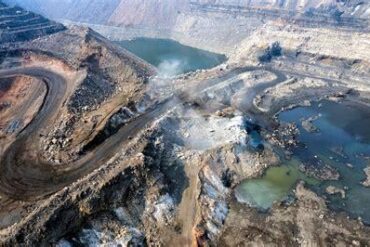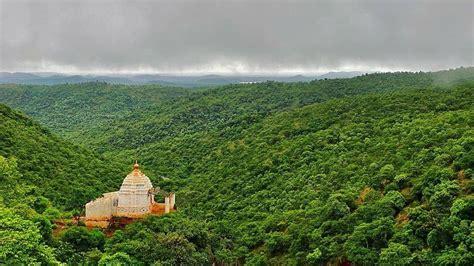
Karnataka is embarking on a remarkable journey into gold tourism by transforming the historic Kappatagudda mining site into a unique eco-tourism destination. Once a flourishing hub of gold extraction, this area now stands largely abandoned, but its rich history and heritage are set to attract tourists eager for adventure and education. The state government’s ambitious plans to develop gold tourism at this site aim to provide a thrilling experience that merges exploration with historical significance.
A Glimpse into Kappatagudda’s Rich History
Kappatagudda, nestled in Karnataka, boasts a storied past intertwined with gold mining. The British East India Company initiated operations in the early 1900s, establishing the region as a vital source of gold. Following India’s independence, agencies such as Hutti Gold Mining Limited and Bharat Gold Mines Limited continued mining activities until they ceased in 1982 due to diminishing returns. Although these operations have long been halted, the site retains its significance as a crucial element of Karnataka’s mining legacy.
The mining operations were characterized by sophisticated techniques, utilizing intricate tunnels, mechanical lifts, and rail systems designed to transport gold ore from deep underground to the surface. However, as operational costs rose and gold output dwindled, the extraction phased out, leading to the closure of one of India’s most prominent gold mining sites. Despite this decline, the historical importance of Kappatagudda as a gold source remains undiminished, providing a compelling backdrop for the upcoming tourism initiative.
Transforming Kappatagudda for Gold Tourism
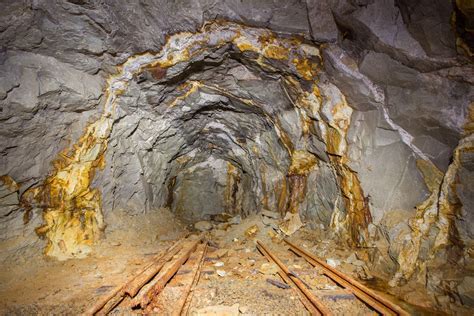
The Karnataka government is keen on reviving the historical significance of Kappatagudda by inviting tourists to explore the old mining tunnels and witness the remnants of a once-thriving industry. The vision is clear: transform this historically rich site into a popular eco-tourism destination that appeals to both adventure seekers and history buffs alike. Key features of the plan include:
- Exploration of Abandoned Mining Tunnels: Tourists will have the unique opportunity to venture into tunnels that were once bustling with miners. Some of these tunnels remain filled with water, creating habitats for local wildlife, including bats.
- Viewing Historical Railway and Mechanical Lifts: Visitors will encounter the remnants of old railway systems and mechanical lifts that played a crucial role in transporting gold from deep within the earth to the surface.
- Traces of Gold: For those intrigued by the allure of gold, the tunnels still contain minute traces of the precious metal, offering a rare glimpse into the region’s mining history.
Addressing Safety and Environmental Concerns
While the excitement surrounding gold tourism is palpable, ensuring the safety of visitors is paramount. Many of the mining tunnels are in a dilapidated state, prompting the government to emphasize that only those sections deemed safe will be open to the public. Local authorities are diligently working on logistics to guide tourists through these tunnels, balancing the thrill of exploration with stringent safety measures.
Adding to the site’s protective measures, the area surrounding the mining tunnels has recently been designated as a wildlife sanctuary by the central government. This designation enhances environmental protections against harmful activities, ensuring that any mining in the area is strictly prohibited. Such efforts not only protect the ecological balance but also make Kappatagudda an ideal destination for sustainable eco-tourism.
Local Impact and Historical Context
Historically, local villagers ventured into the tunnels illegally, often in pursuit of gold, despite the inherent dangers involved. Tragically, many lives were lost during these unauthorized mining attempts. With the introduction of stricter regulations, access to the tunnels is now tightly controlled, aiming to preserve both safety and the environment.
While many villagers once sought fortune in the tunnels, the new regulations are designed to safeguard both visitors and local communities. The past tragedies underscore the necessity for careful management as the government develops gold tourism. Deputy Conservator of Forests Santoshkumar Kenchappanavar emphasizes that while gold tourism is a significant component of the plan, visitor safety remains the top priority. Only structurally sound areas will be incorporated into the tourism initiative, ensuring a safe yet educational experience for all.
The Future of Eco-Tourism at Kappatagudda
The gold tourism initiative is in its infancy, with current development efforts concentrating on planning and establishing safety protocols. The overarching goal is to position Kappatagudda as a premier eco-tourism destination that attracts travelers passionate about history and adventure. The government of Karnataka is committed to maintaining a harmonious balance between development and environmental conservation.
Local officials are optimistic that this initiative will not only boost tourism but also yield economic benefits for surrounding communities. The potential of Kappatagudda as a key eco-tourism destination is immense. By emphasizing gold tourism, the region can attract visitors while simultaneously conserving its precious natural resources. As the project progresses, there is hope that Kappatagudda will emerge as a model of sustainable tourism, harmonizing cultural heritage with environmental responsibility.
Conclusion: A New Chapter for Karnataka’s Tourism Industry
Karnataka’s foray into gold tourism is set to offer a truly unique experience for tourists. By transforming Kappatagudda into a historical and eco-tourism site, the state is inviting visitors to delve into the past, witness the remnants of a gold rush, and explore the breathtaking natural beauty of the region. Although the project is still in the early stages, it holds tremendous promise for revitalizing tourism and benefiting local communities. As plans for gold tourism at Kappatagudda continue to evolve, the area is poised to shine as a major eco-tourism attraction in India, delivering a perfect blend of history, adventure, and environmental consciousness. The government’s dedication to sustainable development and visitor safety ensures that Kappatagudda will be a destination worth watching in the years to come.