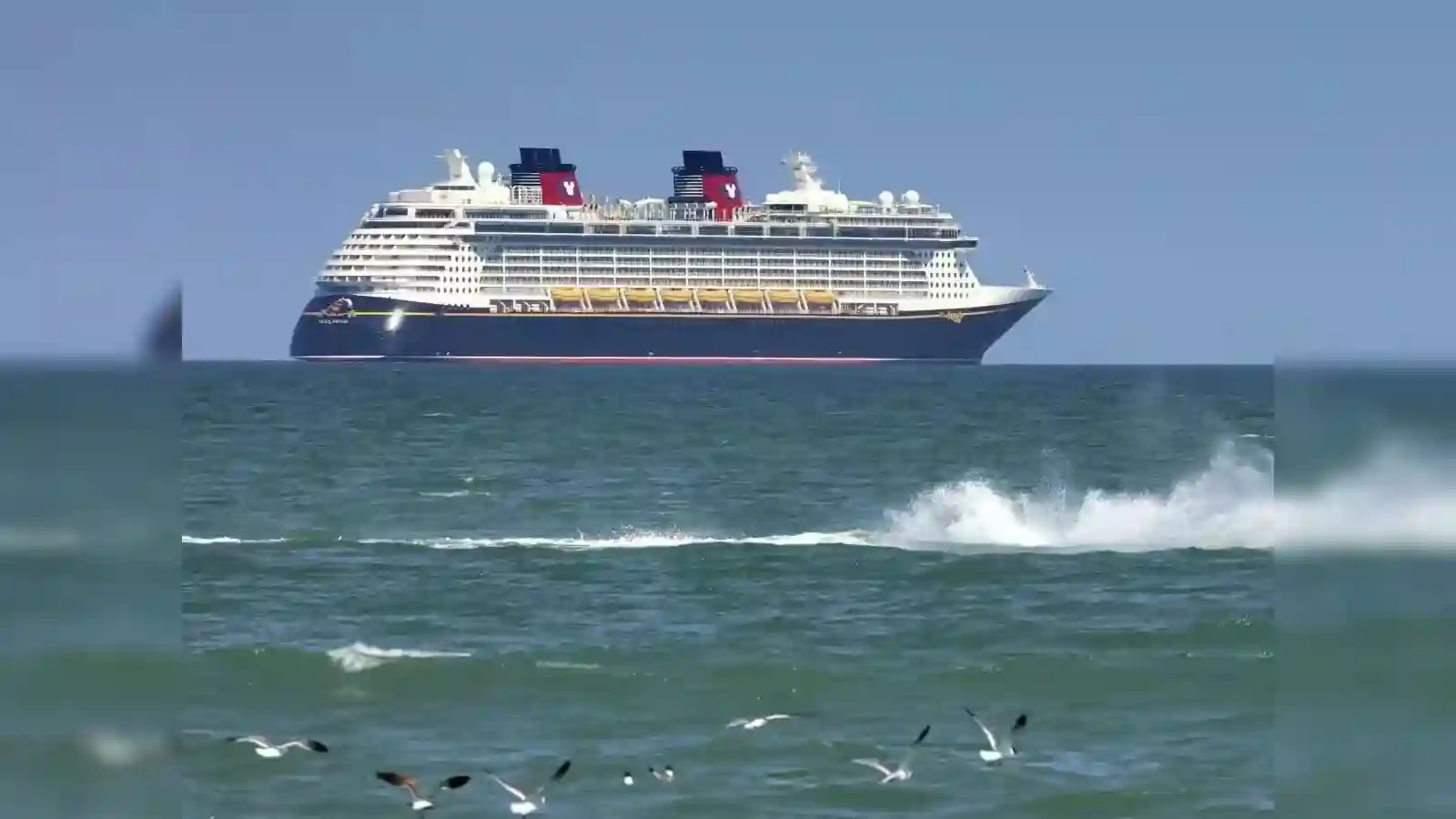
India has announced a joint enterprise with members of the Association of Southeast Asian Nations (ASEAN) to create cruise tourism circuits around the Bay of Bengal and Indian Ocean. This initiative aims to significantly enhance travel and tourism throughout the Indo-Pacific region. The program was launched during the inaugural ASEAN-India Cruise Dialogue, which saw participation from all ASEAN member countries and was led by India’s Union Minister of Ports, Shipping, and Waterways, Sarbananda Sonowal. This historic meeting took place aboard the cruise ship MV Empress at Chennai Port, emphasizing the growing maritime cooperation between India and Southeast Asian nations.
The dialogue focused on several key areas, including cruise connectivity, sustainable tourism practices, and the development of port infrastructure that will facilitate seamless travel across the Indian Ocean and Bay of Bengal. The aim is to create cruise tourism routes that connect important cultural and commercial hubs, ultimately fostering stronger ties between India and Southeast Asia, particularly in terms of shared maritime interests and sustainable tourism practices.
In his address, Minister Sonowal highlighted India’s ambitious plans to professionalize over 5,000 kilometers of navigable waterways, which are crucial for improving cruise connectivity between India and ASEAN nations. “The development of these routes will not only boost tourism but also enhance maritime trade, contributing to economic prosperity in the region,” he stated. This professionalization initiative is expected to make cruise travel more accessible and efficient for travelers across the region.
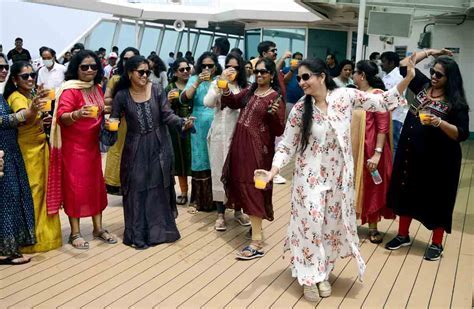
A pivotal outcome of the dialogue is the envisioned creation of an ASEAN-India Cruise Tourism Corridor, designed to align with India’s broader maritime strategy. This corridor will be a vital component in promoting sustainable tourism in the region, ensuring that local communities benefit from increased tourist traffic while maintaining environmental integrity. The dialogue also addressed crucial aspects of cruise tourism development, such as the standardization of regulations, improvements in port infrastructure, and the identification of optimal cruise routes. By aligning policies across ASEAN and India, the countries aim to streamline the regulatory framework, making it easier for cruise lines to operate and for tourists to travel seamlessly between destinations.
The Bay of Bengal, a central feature of this initiative, presents immense potential for developing cruise tourism, given its rich cultural heritage and vibrant coastal cities. Key Indian cities like Chennai, Kolkata, and Visakhapatnam, along with significant ASEAN ports such as Singapore and Penang, are expected to be prime stops along the planned routes. These cities, known for their historical significance and cultural diversity, will attract tourists eager to explore the region’s maritime legacy while enjoying luxurious cruise experiences.
The Indian Ocean, with its strategic location and thriving maritime trade routes, offers additional opportunities for expanding cruise tourism. Port cities like Mumbai, Kochi, and Goa in India are set to become key players in the regional cruise tourism market, drawing visitors from both the ASEAN region and beyond. The collaboration seeks to enhance the accessibility of these destinations through improved maritime connectivity and infrastructure development.
Moreover, the dialogue laid the groundwork for strengthening collaboration on port infrastructure development. Officials from ASEAN and India discussed the pressing need for developing modern, efficient, and environmentally sustainable port facilities. This is increasingly important as the cruise industry continues to grow, placing rising demands on port resources. By investing in state-of-the-art port facilities, India and ASEAN can ensure that their maritime tourism sector can accommodate the increasing number of cruise ships and passengers while minimizing environmental impact.
A core principle guiding this collaboration is the promotion of sustainable tourism. Both India and ASEAN recognize the importance of protecting their natural and cultural heritage while fostering economic growth through tourism. The creation of the ASEAN-India Cruise Tourism Corridor is expected to incorporate eco-friendly practices, such as sustainable ship operations, responsible waste management, and the preservation of coastal ecosystems.
This landmark initiative signifies a pivotal move towards promoting greater cooperation between India and Southeast Asia. By leveraging collective maritime resources, both regions stand to gain substantially from increased tourism, enhanced economic prosperity, and robust environmental protection. As cruise tourism continues to flourish in the Bay of Bengal and Indian Ocean, it is poised to attract tourists from around the globe, providing them with the opportunity to immerse themselves in the rich cultural heritage of this vibrant area.