Government Initiatives for Enhancing Tourism Infrastructure
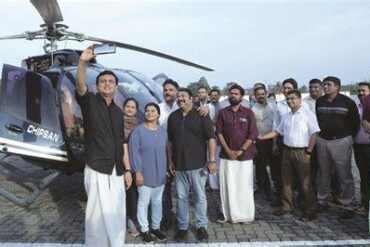
The Indian government’s recent efforts are part of a broader strategy to revitalize tourism in Tamil Nadu, focusing on the preservation and promotion of its rich cultural heritage. During a visit to the Brihadeeswara Temple, Gajendra Singh Shekhawat, the Union Minister for Tourism and Culture, announced plans to boost tourism infrastructure. His tour included discussions with officials from the Archaeological Survey of India (ASI), emphasizing the need for ongoing conservation and improvement of visitor facilities.
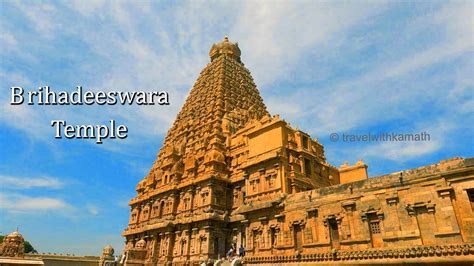
The Significance of Brihadeeswara Temple
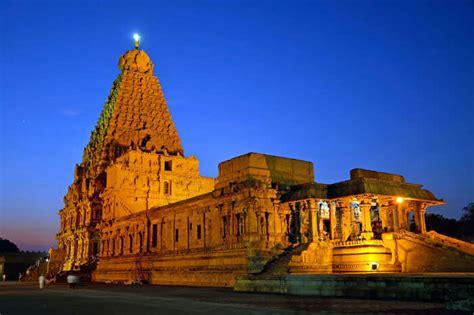
Designated as a UNESCO World Heritage Site, the Brihadeeswara Temple in Thanjavur is an architectural marvel constructed during the reign of Raja Raja Chola I. Towering at 66 meters, its central dome is one of the tallest of its kind in the world. This temple draws thousands of pilgrims annually, serving not only as a site of worship but also as a center for historical exploration. Its intricate carvings and grand scale make it a must-visit for anyone interested in ancient architecture and the religious practices of the Chola dynasty.
Airavatesvara Temple: A Jewel of Chola Architecture
Located in Darasuram, near Kumbakonam, the Airavatesvara Temple is another UNESCO-listed site that exemplifies the artistic excellence of the Chola era. While it may be slightly smaller than Brihadeeswara, its detailed stone carvings and sculptures offer a captivating glimpse into the artistry of the time. Less crowded than its more famous counterpart, the Airavatesvara Temple provides visitors with a peaceful atmosphere, perfect for reflection and admiration of its architectural beauty.
Gangaikonda Cholapuram Temple: Exploring Lesser-Known Treasures
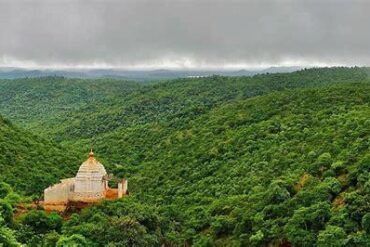
Gangaikonda Cholapuram, built by Rajendra Chola I, serves as a testament to the Chola Empire’s influence across South Asia. Although it attracts fewer visitors compared to Brihadeeswara, it is gaining recognition for its grandeur and historical significance. Surrounded by lush landscapes, this temple offers a unique blend of cultural exploration and natural beauty, making it an ideal destination for travelers seeking a less commercialized experience.
Key Developments in Tourism Infrastructure
The government’s initiative focuses on improving several key areas to enhance the overall visitor experience while preserving the sanctity of these historic temples. These developments are set to benefit tourists significantly, providing a seamless, comfortable, and culturally enriching experience.
Transport and Connectivity
Improving connectivity to these temples is paramount. The government is working on modernizing road and rail networks, facilitating easier access to remote sites. Enhanced transportation facilities, including better roads and efficient shuttle services, will ensure that visitors, including the elderly and differently-abled, can navigate the area with ease.
Visitor Amenities
To create a more welcoming environment, the government plans to upgrade visitor amenities. Improvements will include expanded parking facilities, well-maintained rest areas, and clean washrooms. These enhancements aim to ensure that large groups of pilgrims can visit these sacred sites comfortably and without hassle.
Interpretive Centers and Museums
At prominent sites like Brihadeeswara and Gangaikonda Cholapuram, new interpretive centers and museums will be established. These centers will provide educational content, featuring interactive exhibits and digital displays that illuminate the rich history of the Chola dynasty. By enriching visitors’ understanding, these initiatives will foster a deeper appreciation for the temples’ cultural and historical significance.
Sustainability and Conservation Efforts
Preservation of these ancient monuments is a top priority for the government. Sustainable tourism practices will be integrated into the management of these sites, limiting visitor impact and preventing overcrowding. Technology will play a crucial role in monitoring and protecting the temples’ architectural integrity.
Cultural Programs and Events
The government plans to host cultural events and festivals at these temples, further enriching the visitor experience. Featuring Chola-era music, dance, and religious rituals, these programs will attract more tourists and foster a deeper connection with local culture and traditions.
Promoting Sustainable and Cultural Tourism
As the government embarks on developing tourism infrastructure, sustainability remains central to its strategy. Promoting cultural tourism ensures that visitors gain a comprehensive understanding of Tamil Nadu’s rich heritage while minimizing environmental impact.
Green Initiatives
Implementing solar energy installations, rainwater harvesting systems, and effective waste management solutions will ensure that these heritage sites remain eco-friendly and energy-efficient. This commitment to sustainability will help preserve the natural surroundings and cultural integrity of the temples.
Responsible Tourism Practices
Guidelines for responsible tourism will be introduced, educating visitors on protecting the temples and their surroundings from potential damage. This includes promoting awareness about the importance of preserving the sanctity of these sites, ensuring that the influx of tourists does not compromise their integrity.
Community Involvement
Local communities will be actively involved in the initiative. By integrating local artisans, guides, and small businesses into the tourism model, the government aims to create a more inclusive approach that benefits everyone, particularly residents of nearby towns and villages.
A Rich Cultural Experience Awaits
The tourism initiatives surrounding these Chola-era temples present an exceptional opportunity for travelers to immerse themselves in South India’s heritage. Visiting these temples transcends mere sightseeing; it offers a profound experience steeped in spirituality and cultural richness.
Religious Tourism
These temples remain vital religious sites, especially during festivals. Brihadeeswara Temple, in particular, attracts numerous devotees for annual celebrations and daily rituals. The influx of pilgrims contributes significantly to the local economy, benefiting nearby businesses and services.
Cultural and Heritage Tourism
Chola temples offer unique opportunities for cultural enthusiasts to explore ancient Indian architecture. Each temple, whether the grandeur of Brihadeeswara, the delicate sculptures of Airavatesvara, or the historical depth of Gangaikonda Cholapuram, showcases the artistic achievements of the Chola dynasty.
Ecotourism
The landscapes surrounding these temples, especially Gangaikonda Cholapuram, provide lush green environments perfect for ecotourism. The government’s commitment to sustainable practices ensures that visitors can appreciate these natural settings while minimizing their ecological footprint.
Educational Tourism
With interpretive centers and museums planned for these sites, educational tourists—including students, scholars, and researchers—will be drawn to the rich history of the Chola dynasty. This initiative aims to deepen visitors’ understanding of the temples’ significance beyond their architectural splendor.
Future Prospects and Growth Potential
The government’s efforts to enhance tourism infrastructure at Chola-era temples promise long-term benefits, not just for the tourism sector but also for local economies. As Tamil Nadu garners recognition as a premier cultural tourism destination, the state anticipates a significant increase in both domestic and international visitors.
This surge in tourism is expected to generate substantial revenue, which will further fund preservation and development projects for these and other heritage sites throughout the region. By making these temples more accessible and educational, the government seeks to create an immersive cultural experience that appeals to diverse tourist demographics, including families and history enthusiasts.
Conclusion
In conclusion, the Indian government’s initiative to enhance tourism infrastructure at Chola-era temples is a timely and much-needed endeavor to preserve and promote one of India’s most iconic cultural legacies. By focusing on transport, amenities, conservation, and visitor experiences, this initiative contributes to the sustainable growth of cultural tourism in Tamil Nadu. With an emphasis on sustainability, community involvement, and the protection of heritage sites, the project promises to offer enriching and responsible tourism experiences while securing the future of these remarkable temples for generations to come. As India advances with this ambitious vision, the significance of Chola-era temples will only grow, attracting visitors and scholars eager to witness the enduring legacy of one of history’s most influential empires.