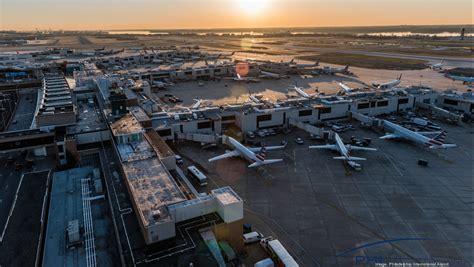
Philadelphia International Airport (PHL) is poised to significantly enhance its global connectivity with a groundbreaking increase in its airline incentive program. Beginning on July 1, 2025, the airport will implement an 80% boost to its Air Service Incentive Program, offering airlines up to $4 million in support for launching new international routes. This initiative is not merely a financial maneuver; it is a strategic effort aimed at improving travel options, particularly for passengers from underserved regions such as Asia, Africa, and the Middle East. By focusing on these areas, the airport aims to create a more robust network of nonstop flights that can serve the growing demand for international travel.
The core objective of this expanded incentive program is to facilitate direct connectivity between Philadelphia and key global markets that have historically been neglected in terms of air service. Regions identified for potential expansion include Oceania, Central America, and South America, alongside the aforementioned continents. Currently, PHL’s international services are predominantly concentrated on Europe and the Caribbean. However, this aggressive growth strategy reflects the airport’s ambition to diversify its offerings and establish itself as a competitive player in the global aviation sector.
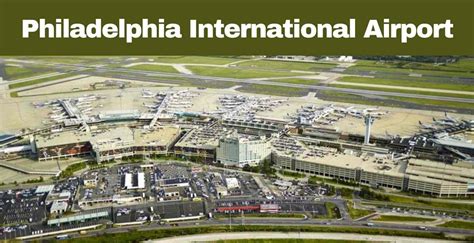
One of the most compelling aspects of the updated incentive package is the full waiver of activity fees for airlines that initiate new international routes during their first two years of operation. This strategic move is designed to alleviate the financial pressures that often accompany the initial stages of route development, allowing airlines to focus on building a successful operation without the burden of high upfront costs. In addition to this fee waiver, PHL will allocate $500,000 in marketing funds to each new destination, enhancing promotional efforts that can increase visibility and passenger awareness of these new routes.
The combination of substantial financial support and comprehensive marketing assistance positions Philadelphia International Airport as an attractive option for both legacy and low-cost carriers looking to expand their international footprint. For legacy carriers, the financial incentives present an opportunity to introduce long-haul routes that may have previously seemed economically unfeasible. Conversely, low-cost airlines could leverage this initiative to provide more budget-friendly nonstop services to destinations that have been underserved, thus broadening travel options for cost-conscious consumers.
As the airport gears up for this transformative phase, travelers can anticipate a significant increase in the variety and convenience of flight options available from Philadelphia. Notably, this initiative could have a profound impact on Indian travelers, providing them with more direct flights to major cities across India and beyond. The enhanced connectivity is expected to simplify travel plans and reduce transit times, making Philadelphia a more appealing gateway for international journeys.
In essence, this initiative aligns with Philadelphia International Airport’s broader long-term strategy, which focuses on developing sustainable international traffic and fostering economic growth. By enhancing air connectivity, PHL aims to stimulate greater economic activity not just within the city, but across the entire Philadelphia region. The introduction of new international routes is anticipated to attract more tourists, bolster local businesses, and ultimately contribute to a healthier regional economy as global visitors flock to explore Philadelphia’s rich cultural heritage and vibrant attractions.
Moreover, the airport’s proactive approach to boosting its international profile is a signal to airlines that Philadelphia is committed to becoming a key player in the global aviation landscape. At the conclusion of the incentive period in 2027, there will be a thorough review of the program’s impact. Should the initiative yield a substantial increase in international traffic, there is potential for the incentives to be extended, further solidifying Philadelphia’s position as a competitive hub for international air travel.
In summary, the 80% boost in airline incentives at Philadelphia International Airport represents a significant commitment to expanding international connectivity. This initiative is poised to enhance travel options for passengers, particularly those flying between Philadelphia and major cities in Asia, Africa, and the Middle East. As airlines respond to these enticing incentives, Philadelphia stands to strengthen its stature as a vital hub in the world of global aviation, driving tourism and economic activity in the region.