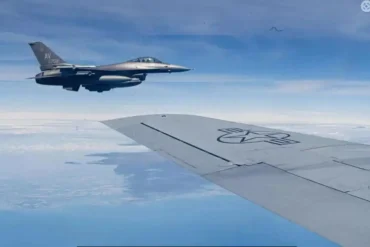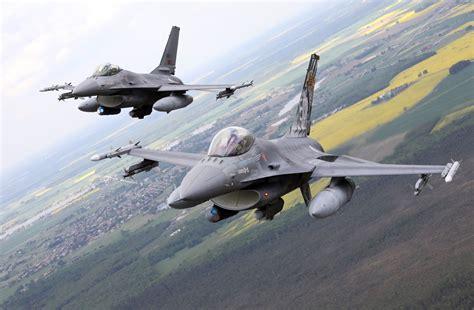
In a significant milestone for Western support to Ukraine, the Netherlands has officially completed the delivery of 24 F-16 fighter jets to the Ukrainian Air Force, marking a pivotal moment in the country’s evolving military assistance strategy. With this delivery, the Netherlands has not only fulfilled a key commitment to Kyiv but has also announced a strategic shift in its defense support posture — pivoting toward advanced drone technology and cybersecurity operations in response to the changing nature of warfare in Ukraine.
Dutch Defense Minister Ruben Brekelmans confirmed the completion of the fighter jet transfer in an exclusive interview with Ukraine’s national news agency, Ukrinform, emphasizing that this delivery is far from the end of Dutch assistance. Instead, the Dutch government is doubling down on its defense contributions, signaling a future in which digital warfare and unmanned systems will take center stage.
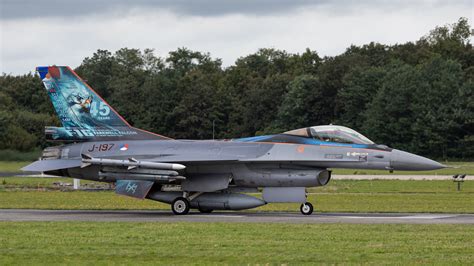
The Netherlands has played a prominent role among NATO members backing Ukraine’s defense against Russian aggression. Beginning with basic military supplies such as helmets and Stinger missiles, Dutch aid escalated to the delivery of Patriot missile systems and culminated in the handover of fourth-generation fighter aircraft. The final two F-16s took off from Volkel Air Base on May 26, 2025, completing the promised delivery of 24 jets — a milestone that underscores the Netherlands’ deepening commitment to Ukraine’s defense capacity.
From Fighter Jets to Next-Generation Warfare: Dutch Support Evolves
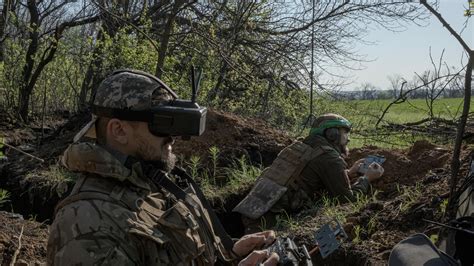
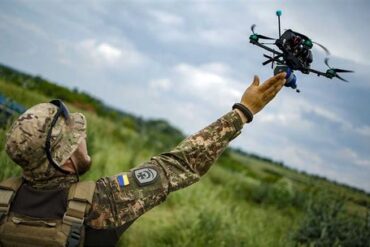
The transition from delivering kinetic weapon systems to supplying sophisticated unmanned aerial vehicles (UAVs) reflects both a technological evolution and a response to the battlefield realities of 2025. Brekelmans was clear: “We are not focusing on simple FPV drones anymore. Our priority now lies with more advanced drone systems — aircraft that offer greater range, durability, and integration with battlefield intelligence.”
This strategic redirection aligns with Ukraine’s growing dependency on aerial surveillance, reconnaissance, and combat drones to offset Russia’s artillery and manpower advantages. Ukraine’s use of drones like the Bayraktar TB2 and domestically developed kamikaze drones has proven invaluable. The Netherlands is now working to strengthen this capability by investing in more complex UAV technologies that can carry out high-risk missions, from real-time target tracking to remote strike capabilities.
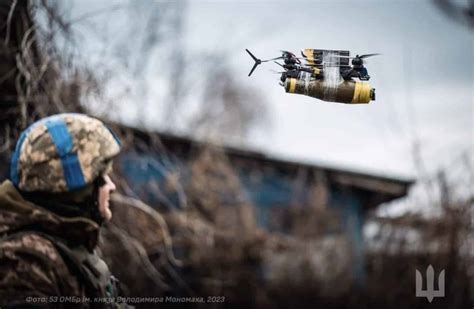
While the specific types of drones to be delivered remain undisclosed, officials familiar with NATO-standard procurement suggest a mix of medium-altitude long-endurance (MALE) drones, loitering munitions, and electronic warfare-capable platforms are being considered. These systems would vastly increase Ukraine’s ISR (intelligence, surveillance, and reconnaissance) capabilities — a crucial factor in sustaining counteroffensive operations across contested territories.
Cybersecurity: The Invisible Battlefield of the Ukraine Conflict
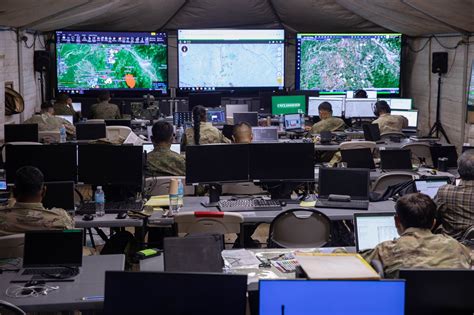
In tandem with the shift toward unmanned systems, the Dutch Ministry of Defence is placing heightened focus on cyber defense. Brekelmans stressed that support now extends beyond the physical frontlines. “Russia is attacking not only in the trenches but also in the digital domain,” he said. “Cybersecurity has become one of our critical priorities.”
The Netherlands has been working covertly with Ukrainian cyber forces to shield essential infrastructure, communications systems, and military assets from Russian cyberattacks. Though details of this cooperation remain confidential, for operational security reasons, intelligence sources indicate that the collaboration includes:
- Strengthening firewall architectures and digital perimeter defenses for Ukrainian command centers
- Sharing of zero-day threat intelligence and malware detection tools
- Joint exercises simulating multi-vector attacks, mimicking Russian hybrid warfare techniques
- Deployment of mobile cyber units for rapid digital incident response in combat zones
The war in Ukraine has seen some of the most sophisticated cyberattacks in modern history, from the targeting of critical energy infrastructure to large-scale misinformation campaigns. By bolstering Ukraine’s cyber defenses, the Netherlands aims to counteract the asymmetric warfare tactics employed by Russian intelligence units such as APT28 and Sandworm, both linked to past high-profile digital attacks.
Sustained Financial Commitment and Military Aid Expansion
The Netherlands’ total annual commitment to Ukraine now hovers between €3 to €3.5 billion, a substantial figure that places the country among the top contributors within Europe. In 2025 alone, €2 billion of the allocated funds has already been disbursed, indicating not only speed but also urgency in fulfilling strategic goals.
This funding is not limited to aerial and cyber capabilities. Earlier this June, the Netherlands announced a new €400 million military aid package, signaling a more comprehensive military support blueprint. The package includes:
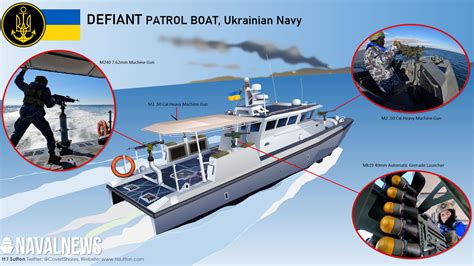
- Over 100 naval vessels tailored for patrol, transport, special operations, and interception missions
- Deployment of maritime drones to enhance coastal surveillance and underwater reconnaissance
- Continued supply of ammunition and spare parts to sustain operational readiness of existing equipment
- Additional training programs for Ukrainian personnel, particularly in drone operations and cybersecurity
This diversified approach illustrates the Netherlands’ shift from reactive aid to strategic military integration, working to embed new systems into Ukraine’s defense framework rather than supplying one-off assets.
Training and Integration: Fusing Western Systems with Ukrainian Doctrine
One of the most crucial, often overlooked, elements of this aid is the extensive training component. As Western hardware — whether F-16 jets or advanced drones — enters Ukraine’s military inventory, Ukrainian personnel must undergo intensive tactical and technical education to ensure effective use.
Dutch defense experts have been conducting joint exercises and simulator-based training programs across NATO facilities in Germany, the Netherlands, and Poland. The curriculum includes:
- F-16 flight operations, including weapon targeting, countermeasure deployment, and radar integration
- Drone fleet management, encompassing mission planning, communications encryption, and ISR coordination
- Cyber defense protocols, from threat detection to active neutralization of malware intrusions
Integration teams have also been embedded with Ukrainian units to facilitate real-time operational support, ensuring seamless transition from legacy systems to NATO-standard assets.
Beyond 2025: Futureproofing Ukrainian Defense Capabilities
As the war grinds on into its fourth year, the Dutch government is planning ahead. Brekelmans confirmed that military aid levels in 2026 will remain consistent with current volumes, underscoring long-term support. This continuation not only signals political will but also reflects a strategic outlook: building a Ukrainian military that is resilient, technologically sophisticated, and independent in its operational capacities.
Dutch defense planners are also exploring avenues for joint production ventures. Discussions are underway with Ukrainian defense firms to co-develop drone components and cyber tools, allowing for localized manufacturing that reduces dependency on external supply chains and accelerates deployment cycles.
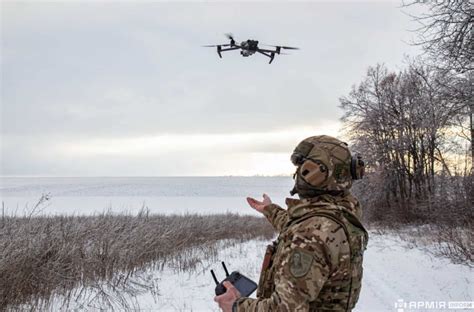
This model mirrors the successful U.S.-Ukraine co-production of 155mm artillery shells and may extend to UAV electronics, AI-powered targeting systems, and battlefield networking platforms. The outcome would not only benefit Ukraine but also stimulate the Dutch defense industrial base, positioning the Netherlands as a center of excellence for future warfare technologies.
Conclusion: A Strategic Shift, Not Just a Tactical Support
The completion of the F-16 delivery marks a clear inflection point in the Netherlands’ military assistance to Ukraine. What began as a humanitarian and tactical response to Russian aggression has evolved into a strategically calculated investment in Ukraine’s sovereignty, resilience, and combat readiness.
By turning its attention to high-tech drone warfare and cyber operations, the Netherlands acknowledges the changing nature of the battlefield — one where agility, information dominance, and digital integrity outweigh sheer firepower. This next phase of support is not only about helping Ukraine survive but equipping it to win in a new era of warfare.
With sustained funding, evolving technology partnerships, and deepening military integration, the Dutch contribution is shaping a Ukrainian force that’s smarter, faster, and more adaptive — capable of responding to both the tanks on the battlefield and the malware in its systems.