The Evolution of the Dutch F-16 Fleet
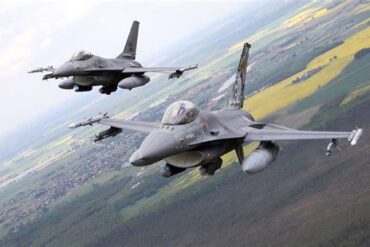
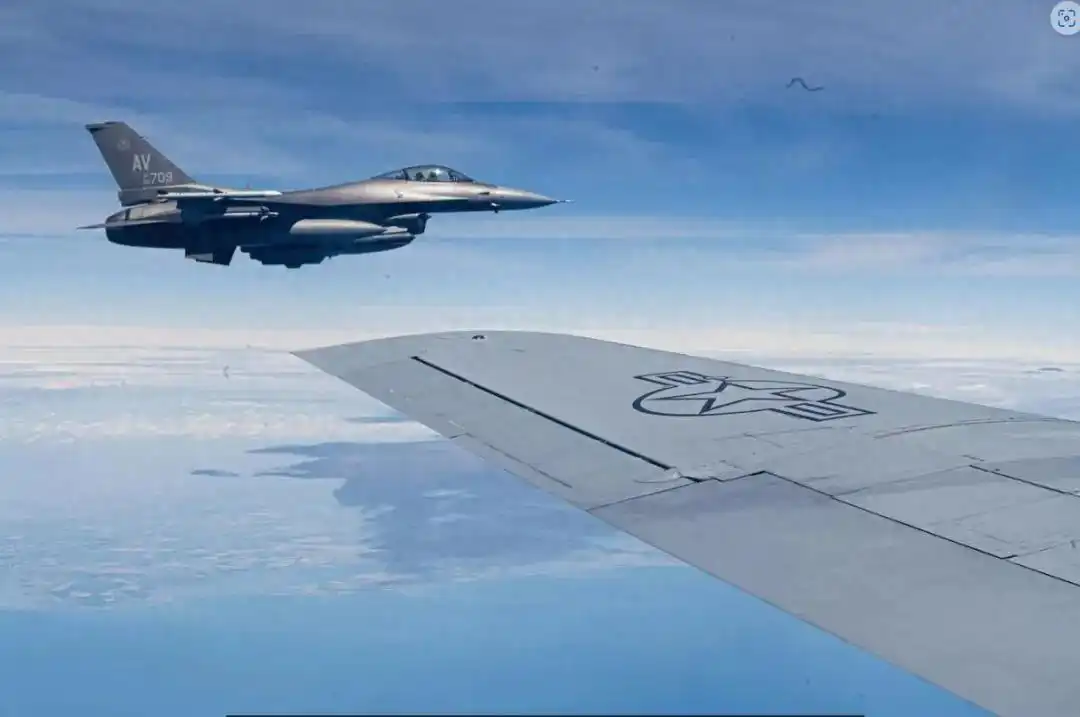
The Royal Netherlands Air Force (RNLAF) has been a key operator of the F-16 Fighting Falcon since the late 1970s. Over the decades, these aircraft have played a critical role in numerous NATO missions, from Balkan peacekeeping operations to combat sorties in Afghanistan and against ISIS.
The Netherlands originally acquired 213 F-16s, produced locally by Fokker under license from General Dynamics. The aircraft underwent several upgrades, integrating modern avionics, precision-guided munitions, and advanced radar systems. Despite these enhancements, the increasing obsolescence of the F-16 led to the Netherlands’ decision to transition toward the fifth-generation F-35 Lightning II.
Retirement of the Dutch F-16s and Transition to F-35
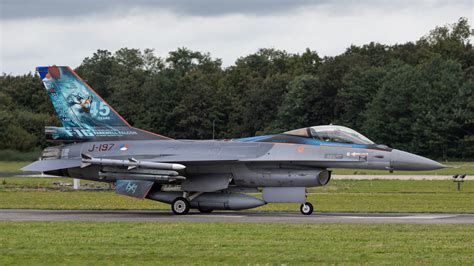
On September 2024, the Royal Netherlands Air Force officially retired its F-16 fleet, marking the end of an era. A ceremonial flight, featuring eight F-16s from the 312 Squadron, paid homage to 45 years of service. With this transition, the Netherlands became fully reliant on the F-35, which now shoulders responsibilities for rapid-response missions, air superiority, and nuclear deterrence under NATO.
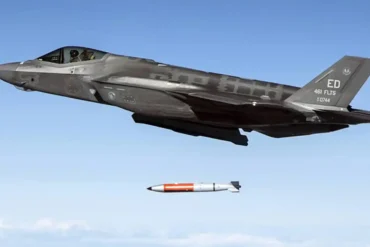
The shift to the Lockheed Martin F-35 represents a generational leap in capability, offering stealth technology, superior sensor fusion, and enhanced survivability. The Netherlands, a key participant in the F-35 Joint Strike Fighter program, now deploys its fleet for high-end air combat and strategic operations.
Transfer of F-16s to Ukraine
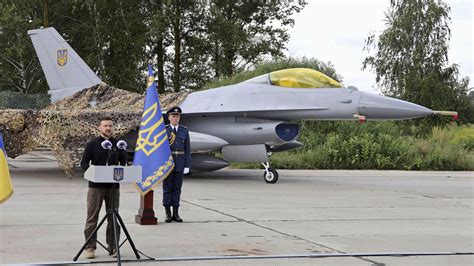
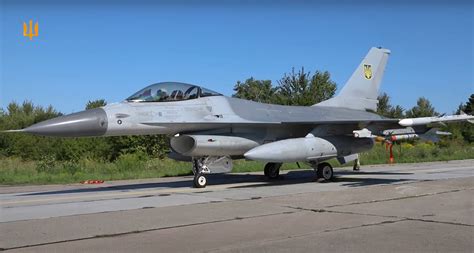
Following Russia’s full-scale invasion of Ukraine, the Netherlands emerged as a leading supporter of Ukraine’s defense efforts. Among the most significant contributions is the transfer of F-16 fighters to bolster Ukraine’s air force.
First Deliveries and Future Commitments
The first batch of Dutch F-16s arrived in Ukraine in late 2024, with additional aircraft scheduled for delivery throughout 2025. By February 2025, the Netherlands had confirmed its intent to provide at least 24 F-16s, alongside a broader support package.
Key figures include:
- €4.5 billion allocated for ammunition and weaponry
- €800 million for spare parts and logistical support
- €4 billion dedicated to drone warfare and air defense improvements
Training and Maintenance Support
To ensure operational readiness, Ukrainian pilots and ground crews undergo training at Romania’s F-16 European Training Center. This facility, established through collaboration between Denmark, the Netherlands, and Romania, enables Ukraine to rapidly integrate the F-16’s advanced avionics and weapon systems into its air force.
Operational Flexibility and Combat Use
Unlike some Western donors, the Netherlands permits Ukraine to use its F-16s to strike military targets within Russian territory, provided these operations adhere to international law. This policy reflects a growing confidence in Ukraine’s ability to utilize the F-16 effectively in countering Russian air dominance.
Geopolitical Implications of the Transfer
Russian Response and Strategic Risks
Russia has explicitly warned that any deployed F-16s and their associated airbases will be legitimate targets for missile strikes. This threat underscores the high-stakes geopolitical tension surrounding the transfer.
Western Coordination and U.S. Approval
The United States granted export approval in July 2024, a necessary step due to U.S. arms transfer regulations. The move aligns with NATO’s broader efforts to reinforce Ukraine’s air defense capabilities while ensuring strategic containment of Russian aggression.
Historical Context of Dutch F-16s in Combat
Past NATO Operations
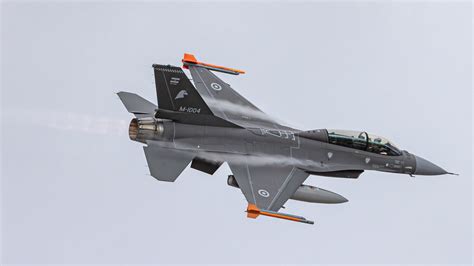
Dutch F-16s have played a pivotal role in NATO combat missions, including:
- Kosovo War (1999): A Dutch F-16 pilot successfully downed a Serbian MiG-29, marking a rare aerial victory in modern European warfare.
- Afghanistan (2002-2010): Extensive close air support and reconnaissance missions under Operation Enduring Freedom.
- Iraq and Syria (2014-2018): Strikes against ISIS targets as part of the U.S.-led coalition.
Previous F-16 Sales by the Netherlands
Before transferring aircraft to Ukraine, the Netherlands had previously sold surplus F-16s to Jordan (2009) and Chile (2010). These sales were part of a phased reduction strategy as the F-35 program gained momentum.
Strategic Impact on Ukraine’s Air Force
Enhancing Ukrainian Air Superiority
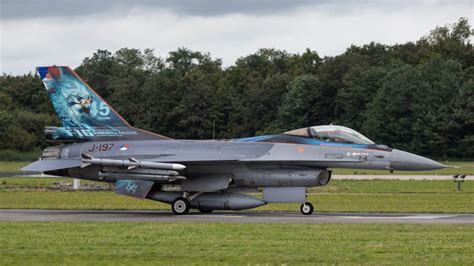
The F-16 Fighting Falcon significantly upgrades Ukraine’s aerial capabilities by providing:
- Advanced radar systems (APG-66 and APG-68) for better situational awareness
- AIM-120 AMRAAM compatibility, allowing beyond-visual-range engagements
- Multirole flexibility, supporting air-to-air combat, precision strikes, and electronic warfare
Challenges in Integration
Despite these advantages, Ukraine faces hurdles in logistics, maintenance, and sustainment. Russian long-range missile strikes on airbases pose an ongoing risk, emphasizing the need for hardened infrastructure and dispersed deployment strategies.
Conclusion
The Netherlands’ decision to transfer F-16s to Ukraine represents a significant strategic shift, reinforcing Ukraine’s air force while escalating the geopolitical complexity of the conflict. As the Netherlands fully transitions to the F-35, its legacy F-16s continue to serve in a critical new role, shaping the future of air combat in the region.
Frequently Asked Questions (FAQ)
1. How many F-16s is the Netherlands sending to Ukraine?
The Netherlands has pledged at least 24 F-16s to Ukraine, with deliveries beginning in late 2024 and continuing through 2025.
2. Can Ukraine use these F-16s to strike Russian targets?
Yes, the Netherlands has authorized Ukraine to use F-16s against military targets within Russian territory, provided such actions comply with international law.
3. Why did the Netherlands retire its F-16s?
The Netherlands retired its F-16 fleet in September 2024 after 45 years of service, replacing it with the F-35 Lightning II, which offers stealth, superior sensors, and multirole capabilities.