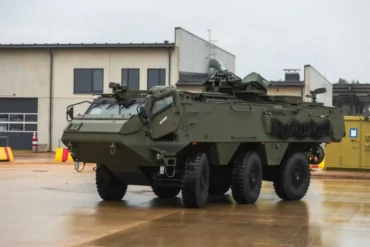
On July 1, 2025, Latvia took a decisive step in reinforcing Ukraine’s defensive capabilities by confirming the transfer of 42 domestically manufactured Patria 6×6 Armored Personnel Carriers (APCs). This significant move—endorsed by the Latvian Cabinet of Ministers—comes with spare parts, munitions, and other undisclosed military equipment, solidifying Latvia’s enduring commitment to support Ukraine amid continued aggression by Russian forces.
The aid aligns with Latvia’s pledge to allocate 0.25% of its gross domestic product toward Ukraine’s defense efforts annually throughout 2025 and 2026. Beyond the mere provision of hardware, the package includes training for Ukrainian personnel, ensuring that the transferred systems are fully operational within Ukrainian units shortly after deployment.
Latvia’s Strategic Commitment to Ukraine’s Defense
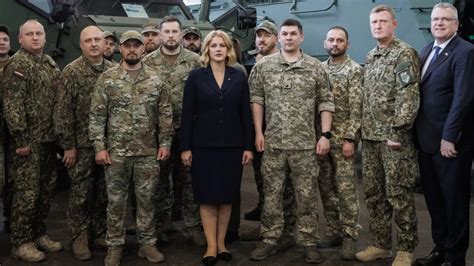
Latvian Minister of Defense Andris Sprūds affirmed the timely delivery of the APCs and emphasized the broader framework that includes equipping and preparing Ukrainian troops for combat deployment. During an official visit to Latvia in early July, Ukrainian Deputy Defense Minister Valeriy Churkin met with Sprūds and Latvian defense manufacturers, expressing gratitude for the Baltic nation’s unwavering political and military support. Churkin highlighted the operational value of the transferred systems, noting how critical the equipment would be in frontline deployments.
Although exact quantities and specifications of the additional military gear remain classified, the Ukrainian Ministry of Defense confirmed the shipment encompasses various categories of weaponry and logistical materiel. This package is part of a continuing defense partnership deepening industrial cooperation and technical exchange between Latvia and Ukraine.
Homegrown Defense: Patria 6×6 Manufactured in Latvia
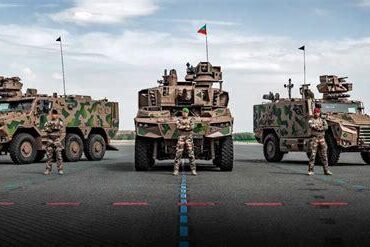
All 42 vehicles in this transfer originate from Latvia’s domestic production of the Patria 6×6 APC, a modular combat platform produced at the Valmiera facility since May 2024. This site is operated by Defence Partnership Latvia, a joint venture between Finnish defense giant Patria and local company Unitruck. Latvia’s involvement in the Common Armoured Vehicle System (CAVS) program—alongside Finland, Sweden, and Germany—ensures its relevance in broader European defense planning.
The initial framework agreement signed in August 2021 set Latvia on track to acquire 200 Patria 6×6 units, a number extended in November 2024 with 56 additional command-and-control variants. Despite the Ukrainian transfer, Latvia’s Ministry of Defense has assured that domestic procurement remains on schedule.
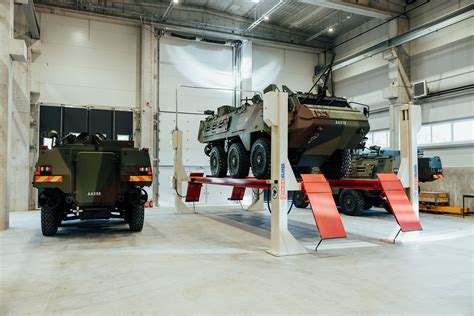
A notable contributor to this effort is EMJ Metāls SIA, a Latvian subcontractor certified to independently manufacture vehicle hulls. The company has invested over €4 million in production technology, significantly strengthening Latvia’s position in the European defense supply chain. These investments showcase how military aid to Ukraine simultaneously stimulates Latvia’s defense-industrial base.
Inside the Patria 6×6: Design, Performance, and Combat Capabilities
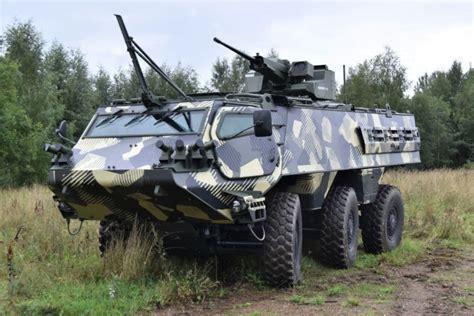
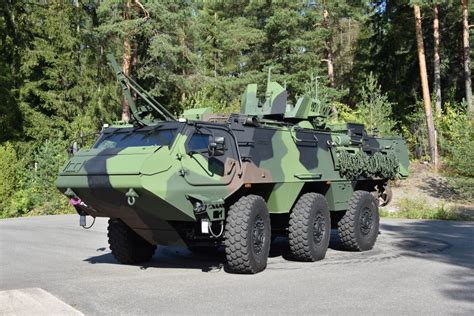
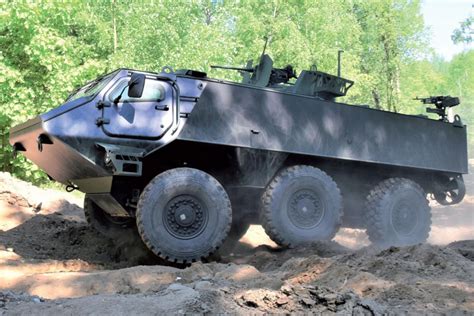
The Patria 6×6 is a rugged, modular, and highly mobile armored platform derived from the company’s earlier AMVXP and XA-series vehicles. Formally unveiled in 2018, the Patria 6×6 combines mobility, protection, and mission flexibility, making it ideal for modern battlefield requirements.
With a length of 7.5 meters, width of 2.9 meters, and height of 2.5 meters, the Patria 6×6 weighs up to 24 tonnes and can carry a payload of 8.5 tonnes. Its standard configuration accommodates a crew of two or three and up to ten fully armed troops.
Powered by a Scania DC 09 five-cylinder diesel engine delivering 294 kW and 1,870 Nm of torque, the vehicle reaches road speeds of over 100 km/h and boasts a range exceeding 700 kilometers. It employs a ZF Friedrichshafen 7-speed automatic transmission and features 6×6 all-wheel drive, ensuring operational versatility across terrain types. Optional amphibious capability allows travel in water at 6–8 km/h, with water fording up to 1.5 meters.
Protection and Armament Versatility
Patria 6×6’s survivability is underscored by compliance with NATO STANAG 4569 standards. The base model features K2 and M2a/b protection levels, with upgrades available to K4 and M4a/b, making it resilient against small arms fire, mine blasts, and IEDs. The modular armor configuration allows for rapid adaptations based on mission profiles.
The vehicle layout places the driver and commander at the front, followed by the engine block, with the troop compartment situated at the rear. A right-side corridor links the front and rear sections, enhancing internal mobility and safety. The suspension system is configurable with independent coil springs or hydropneumatic options, combined with run-flat tires and central tire inflation systems.
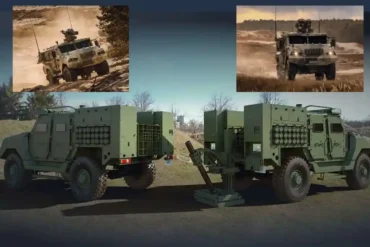
Weapon configurations vary according to mission role and customer requirements. Standard options include a 7.62 mm or 12.7 mm machine gun, 40 mm grenade launcher, or remote weapon stations supporting 25 mm or 30 mm autocannons. The Patria 6×6 is also compatible with the Patria Nemo 120 mm turreted mortar, capable of indirect fire up to 10 km, and can support even heavier systems like 105 mm or 120 mm cannons. Internally, it supports rapid conversion between troop transport, command, reconnaissance, or medevac roles.
The CAVS Program and Multinational Defense Integration
The Common Armoured Vehicle System (CAVS) initiative began in 2020, originally formed by Finland, Latvia, and Estonia to create a standardized 6×6 armored platform for NATO and EU forces. Estonia later exited, opting for Turkish vehicles, while Sweden joined in 2022 and Germany in 2023. By mid-2025, Patria had received orders exceeding 750 vehicles, with over 200 already delivered across Europe.
Latvia plays a central role in the program—not only as a manufacturer but as a contributor to testing infrastructure and legislative support. For instance, Latvia proposed amendments to the Road Traffic Law to allow APC testing at the Ādaži training ground, temporarily approved pending final regulatory clearance.
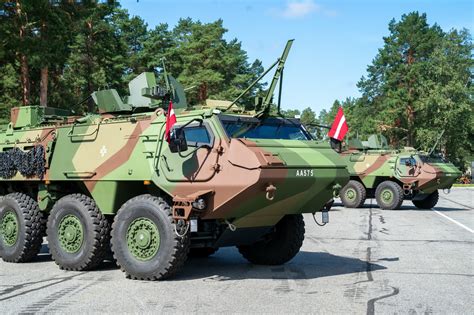
In August 2024, Latvia, Finland, and Patria signed a Life Cycle Management (LCM) contract to ensure long-term fleet readiness under Patria’s OPTIME service concept. This framework provides maintenance, logistics, training, and upgrade pathways across the entire lifecycle, tailored to individual user needs. According to Patria SVP Mats Warstedt, this contract transitions CAVS from procurement to sustainment phase, increasing reliability and availability across all fleets.
Strategic Impact: Strengthening Ukraine While Elevating Latvia’s Role
The latest delivery enhances Ukraine’s ability to conduct mobile armored operations amid evolving frontlines. The Patria 6×6’s reliability and adaptability are expected to complement NATO-standard equipment already in Ukrainian service. This transfer also allows Latvia to field-test its own defense production under real combat conditions, generating valuable performance data and feedback.
Simultaneously, Latvia’s active participation in the European defense industrial base—through partnerships like Defence Partnership Latvia and EMJ Metāls—amplifies its profile as a regional defense contributor. It also aligns with the EU’s broader push for strategic autonomy in defense manufacturing, reducing dependency on external suppliers.
While the full contents of the aid package remain confidential, the strategic message is unmistakable: Latvia is no longer a peripheral supporter but a full-spectrum contributor to Ukraine’s resistance and European security. For Ukraine, these vehicles represent more than platforms—they are a demonstration of solidarity, trust, and the strategic depth of a vital defense partnership.