The United States military’s old tanks and armored vehicles have played a pivotal role in shaping modern warfare and influencing global defense strategies. From the battlefields of World War II to the deserts of Iraq, these armored machines have demonstrated resilience, adaptability, and overwhelming firepower. As time progresses and technology advances, these once-feared giants often retire from active service, leading to an important question: what happens to these decommissioned tanks and armored vehicles after their service ends?
Historical Overview of US Military Tanks and Armored Vehicles
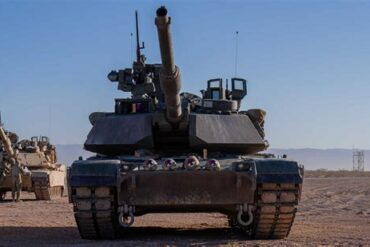
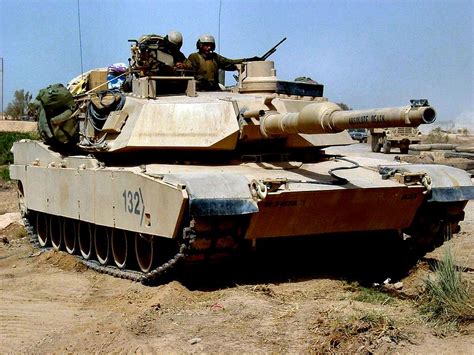
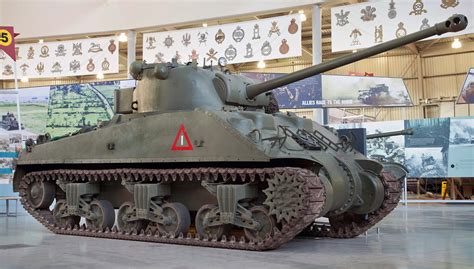
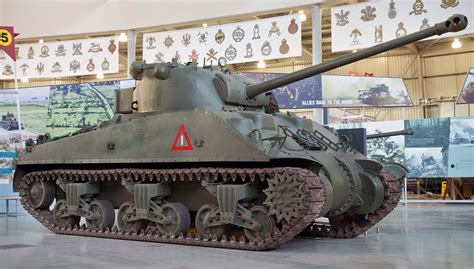
The U.S. military began integrating tanks into its arsenal during World War I, inspired by the British introduction of armored warfare in 1916. By World War II, models such as the M4 Sherman became a symbol of American industrial might, with over 49,000 units produced. Post-war developments gave rise to more powerful machines like the M48 Patton and later the iconic M1 Abrams, introduced in 1980.
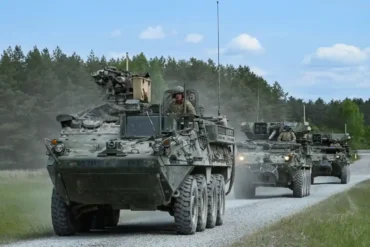
These vehicles were more than just steel behemoths; they represented tactical superiority. From thick composite armor to 120mm smoothbore cannons, tanks became indispensable in both offensive and defensive operations. Armored personnel carriers like the M113 and Stryker added mobility, troop protection, and logistical support, cementing their place as essential battlefield assets.
Fate of Decommissioned Tanks and Armored Vehicles
Transfer to Allied Nations
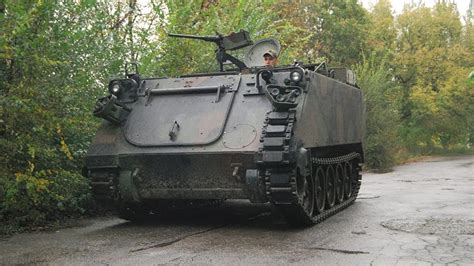
One of the most common outcomes for old U.S. military tanks and armored vehicles is foreign transfer. When equipment becomes outdated for U.S. combat standards, it is often sold or gifted to allied nations seeking affordable yet powerful military assets. For example, Vietnam War–era M113 armored personnel carriers were sent to Ukraine and repurposed as armored ambulances to save lives in active conflict zones.
This practice not only strengthens international alliances but also allows older vehicles to remain useful in less technologically advanced militaries.
Museum Displays and Memorials
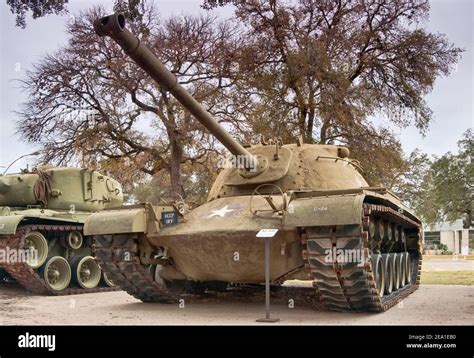
Many decommissioned tanks find their final resting places in military museums, monuments, and heritage parks. The Smithsonian Institution in Washington, D.C., houses several notable armored vehicles, while numerous local military bases maintain static displays to commemorate battles and honor veterans.
These exhibits educate the public, preserve military history, and serve as reminders of the evolution of armored warfare over the decades.
Long-Term Storage
Not every tank finds immediate use after retirement. Facilities like the Sierra Army Depot in California store hundreds of tanks and armored vehicles in vast open lots. These sites maintain equipment for potential future use, either as parts donors, emergency reserves, or training assets.
Recycling and Target Practice
Some vehicles are too damaged or obsolete to justify preservation. The Defense Logistics Agency oversees the process of stripping these vehicles for scrap metal. Before final dismantling, many tanks are repurposed as live-fire targets in gunnery ranges, providing realistic training scenarios for U.S. forces without risking modern operational hardware.
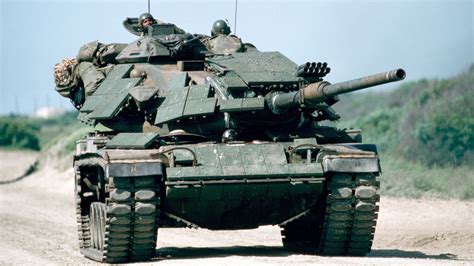
Civilian Ownership of Retired Tanks
The notion of owning a retired military tank might seem far-fetched, but under federal law, it is entirely legal—provided the vehicle is demilitarized. This process includes disabling the main cannon, removing ammunition systems, and ensuring compliance with local and state regulations.
However, purchasing such a vehicle comes with substantial costs. Tanks can range from $150,000 to over $500,000, depending on the model and condition. Additional expenses include transportation, maintenance, storage, and fuel, which is notoriously expensive for machines that often consume gallons of diesel per mile.
For those who wish to drive their tanks on public roads, further modifications are required to meet Department of Transportation standards, and only certain jurisdictions allow street operation.
Notable Examples of Old US Military Tanks
Below is a table showcasing several iconic U.S. tanks and their current fate after retirement:
| Tank Model | Era of Service | Primary Role | Fate After Decommission |
|---|---|---|---|
| M4 Sherman | WWII (1942–1957) | Medium Tank | Museum displays, private collections |
| M48 Patton | 1950s–1980s | Main Battle Tank | Supplied to allies, target practice |
| M60 Patton | 1960s–1990s | Main Battle Tank | Used by foreign militaries, stored |
| M113 APC | 1960s–Present (limited) | Troop Transport | Donated to allies, converted to ambulances |
| M1 Abrams (early models) | 1980s–Present | Main Battle Tank | Stored at Sierra Depot, upgrades applied |
Environmental and Logistical Considerations
Disposing of large armored vehicles presents unique challenges. Each tank weighs between 30 to 70 tons, requiring heavy-duty transporters and specialized facilities for dismantling. Toxic elements such as hydraulic fluids, lubricants, and old armor coatings must be safely removed to avoid environmental contamination.
Storage yards like those in Arizona and California are chosen for their dry climates, which prevent rust and corrosion from damaging stored equipment over time.
Role of Old Tanks in Modern Training
Even outdated tanks retain tactical value in training programs. Soldiers use retired vehicles to simulate enemy armor, conduct breaching exercises, and practice battlefield recovery operations. This cost-effective approach ensures troops gain experience with realistic scenarios without risking operational equipment.
Some vehicles are even retrofitted with sensors and used in laser-based wargames, allowing for non-destructive battle simulations.
Cultural and Historical Significance
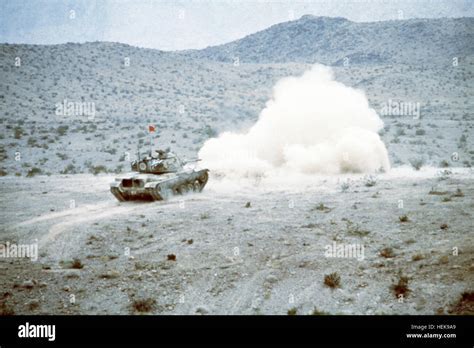
Old U.S. tanks and armored vehicles are more than relics of war; they are symbols of American innovation and military heritage. From the beaches of Normandy to the deserts of Kuwait, these machines have been crucial in decisive moments of history. Their preservation in museums and memorials ensures future generations understand their impact on global security and technological evolution.
Conclusion
The journey of U.S. military’s old tanks and armored vehicles does not end with retirement. Whether they are repurposed for allied nations, displayed for educational purposes, stored for emergencies, or recycled into scrap metal, these machines continue to contribute to defense, culture, and history long after leaving the battlefield. Their legacy is a testament to decades of engineering excellence, strategic adaptability, and military dominance.
FAQs
Can civilians legally own a decommissioned U.S. military tank?
Yes, federal law allows civilian ownership of demilitarized tanks. However, state regulations, high costs, and legal paperwork make the process complex and expensive.
What happens to tanks stored in U.S. military depots?
Most tanks in storage are kept as reserves, stripped for spare parts, or used for training exercises. Some are sold to allied countries, while others are scrapped when no longer viable.
Which U.S. tank is the most widely preserved in museums?
The M4 Sherman is the most commonly displayed U.S. tank worldwide, with hundreds of examples in museums, monuments, and private collections due to its massive World War II production numbers.