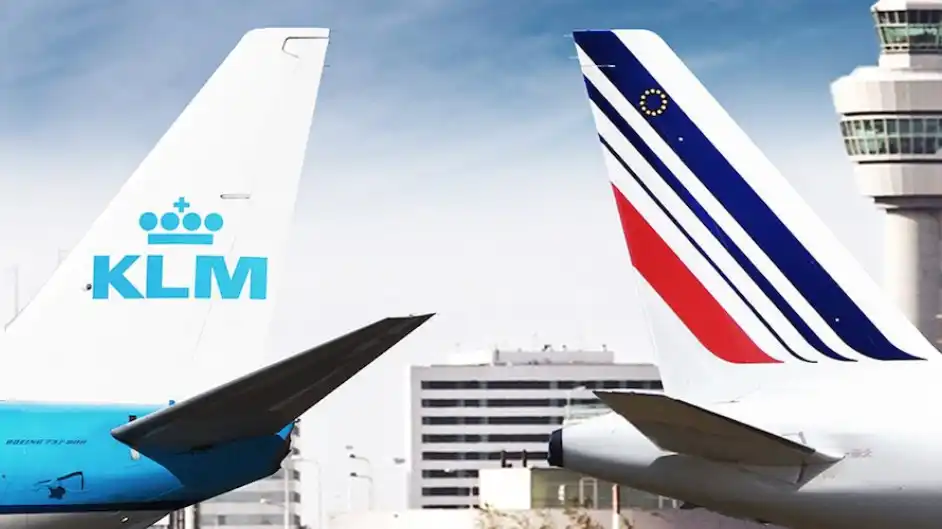
In a bold strategic move to counter summer operational pressures, Air France has officially joined KLM on high-demand Netherlands–United States transatlantic flights, marking a new chapter in airline cooperation. This initiative, launched on July 16, 2025, represents a first-of-its-kind collaboration within the Air France-KLM Group, enabling Air France pilots to fly select KLM-operated flights from Amsterdam to New York. Designed as a targeted response to KLM’s temporary crew shortages, this approach also reflects the group’s growing emphasis on interoperability, synergy, and cross-fleet training.
A Tactical Response to Peak Season Travel Demands
As the summer travel season pushes transatlantic demand to record highs, airlines face the dual challenge of sustaining flight volumes and preserving passenger experience amid persistent staffing shortages. The Amsterdam–New York route, long a crown jewel in KLM’s intercontinental portfolio, has faced intense operational pressure. Rather than reduce service or compromise quality, KLM has instead opted for a resource-sharing strategy by leveraging Air France’s trained and certified flight crews.
What makes this move particularly significant is that these Air France pilots are temporarily integrated into KLM operations, but only on specific flights operated from Amsterdam Schiphol to John F. Kennedy International Airport. These pilots maintain their French employment and certification status but operate under mutual recognition agreements, a complex maneuver that required meticulous legal, regulatory, and operational alignment.
Co-Terminalization and Schedule Fluidity
This integration goes hand-in-hand with what the group calls “co-terminalization” — an advanced operational model that allows both airlines to share gates, schedules, and resources at major hub airports. By aligning Air France and KLM’s timetables and ground services, the group achieves greater scheduling flexibility while preserving service quality, especially during constrained time slots or high passenger flow windows.
The move not only solves an immediate labor issue for KLM but also enhances the passenger experience. Travelers booking transatlantic flights between Amsterdam and New York now benefit from an expanded flight schedule, greater seat availability, and minimal disruption due to staffing problems. It’s a calculated attempt to retain market competitiveness against rivals such as Delta Air Lines, United, British Airways, and Lufthansa, which also operate aggressively on the same corridor.
A Glimpse into a More Unified Future for Air France-KLM Group
This initiative is not just a short-term fix; it’s a signal of things to come. As KLM pilots undergo ongoing training to prepare for integration into Air France’s fleet evolution, the possibility of deeper future interoperability between the two carriers is growing. The cross-crew operations show how major airline groups can pool human capital and training resources to create a more agile and resilient workforce.
Behind this lies a broader reality: modern aviation must become more adaptive to deal with unexpected staffing shortages, regulatory hurdles, and rising operational complexity. The Air France-KLM partnership provides a model of how airline conglomerates can future-proof their operations by eliminating rigid silos and fostering deeper integration.
Operational Resilience in a Competitive Market
The transatlantic air corridor is one of the most profitable and fiercely contested in global aviation. With numerous full-service carriers and alliances competing for the same customer base, reliability and network reach are critical differentiators. KLM’s ability to retain a full summer schedule despite workforce disruptions protects its brand reputation and prevents revenue leakage to competitors.
By partnering internally, the Air France-KLM Group ensures it can scale its transatlantic offerings without compromising operational integrity. The group sidesteps the more damaging alternatives of canceled flights or inferior service delivery by drawing on internal resources intelligently. As a result, passengers benefit from consistent service levels, and the group maintains its premium brand positioning.
Setting an Industry Precedent for Cross-Crew Utilization
Historically, airline operations have been tightly compartmentalized, especially across international borders and distinct carriers, even within the same holding group. Pilots were generally restricted to their own national brands due to regulatory, union, and certification constraints. This summer’s Air France-KLM integration breaks that mold, demonstrating how cross-border crew deployment can be achieved within legal frameworks and safety protocols.
This could have far-reaching implications for global airline groups such as Lufthansa Group, International Airlines Group (IAG), and even U.S.-based conglomerates. As the industry faces recurring labor market imbalances, particularly for pilots and technicians, cross-crew flexibility could become a strategic advantage in times of crisis.
Moreover, it also speaks to the growing importance of pan-European aviation policies, where airlines may eventually benefit from standardized crew certification and mutual recognition agreements, especially within EU frameworks. This would allow more fluid movement of labor across borders, similar to what’s been achieved in cargo and manufacturing logistics.
Navigating Staffing Pressures Without Compromising Service
KLM’s staffing issues weren’t isolated. The broader industry has faced post-pandemic pilot shortages, retirement waves, and increased absenteeism. Recruiting and training new flight crews remains a lengthy and expensive process, particularly for long-haul pilots who must meet extensive international certifications.
Rather than risk diminished service levels, KLM turned inward to Air France, demonstrating that inter-airline collaboration doesn’t always require mergers or code shares. It’s about leveraging shared infrastructure intelligently. Air France pilots bring the necessary experience, professionalism, and familiarity with long-haul operations, offering a seamless customer experience even when the airline name on the ticket is KLM.
The result is an operation that preserves the group’s integrity while demonstrating its ability to adapt quickly to real-world demands.
Passenger-Centric Strategy in Action
Passengers are unlikely to notice the shift in pilots unless closely following aviation news. What they will notice, however, is the reliability of their flights, the continuity in service standards, and the smooth experience at major hubs like Schiphol and JFK. That’s the essence of what this initiative achieves — solving internal operational problems without affecting the external customer journey.
For frequent flyers, business travelers, and transatlantic holidaymakers, this means fewer cancellations, shorter delays, and access to a robust schedule even during the busiest months. From a loyalty perspective, it helps maintain trust in the group’s offerings, further solidifying SkyTeam’s transatlantic advantage.
Building a Blueprint for the Future of Airline Workforce Management
As climate change, regulatory uncertainty, and labor market dynamics reshape global aviation, flexibility will be the defining competitive edge. The Air France-KLM summer cooperation is a prototype for a new model of airline operations — one that places shared workforce pools, dynamic scheduling, and interoperable fleets at its core.
Beyond the immediate summer season, observers expect this pilot program to lead to more ambitious integration, possibly extending into cabin crew, maintenance staff, or even joint flight training academies. The success of this venture could inspire broader policy reform, encouraging governments and regulators to facilitate cross-border crew certification pathways.
Conclusion: A Pioneering Move with Lasting Consequences
Air France and KLM’s joint response to transatlantic summer demand isn’t merely a stopgap — it’s a case study in proactive crisis management and long-term strategic planning. By rethinking traditional boundaries between airlines, they’ve created a smarter, faster, and more flexible operational model.
As summer travel surges and airlines continue grappling with staffing uncertainties, this initiative may well be remembered as a watershed moment in aviation management — one where agility, not size alone, dictated who could thrive in a changing world. The Air France-KLM Group has signaled that innovation and cooperation, not competition alone, will define the next era of global air travel.