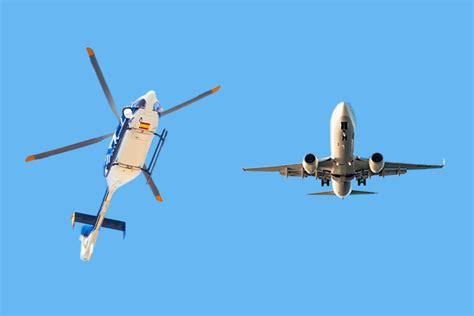
Aviation is a realm defined by innovation, engineering precision, and utility-driven design. Among the most iconic flying machines in this domain are helicopters and airplanes. While both serve the fundamental purpose of air travel, their underlying mechanics, usage scenarios, and overall flight philosophies could not be more distinct. Understanding the nuanced differences between these aircraft not only enhances our appreciation for modern aviation but also sheds light on why each plays a critical role in the skies above.
Aerodynamics and Flight Mechanics: How They Fly
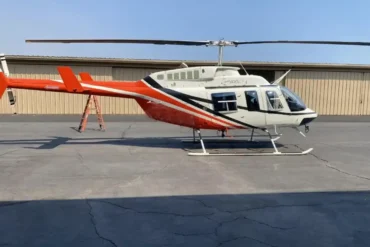
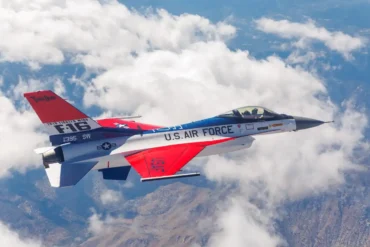
The helicopter achieves flight through rotary-wing mechanics. Its main rotor blades spin at high velocity, creating lift vertically. This lift allows the helicopter to perform vertical takeoffs and landings (VTOL), hover mid-air, and maneuver in confined spaces. In contrast, the airplane operates as a fixed-wing aircraft. It requires forward motion to generate airflow over its wings, which then creates the lift necessary for flight. This dynamic establishes the fundamental difference: helicopters manipulate their environment to lift directly upward, while airplanes depend on aerodynamic lift generated through horizontal motion.
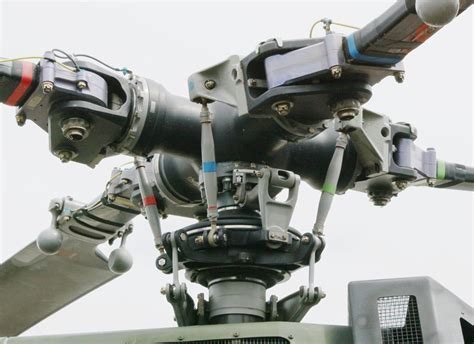
Another mechanical divergence lies in control. Helicopters demand constant pilot input, making them inherently more complex to fly. Airplanes, particularly during cruising altitude, rely less on continuous manual adjustment due to autopilot systems and inherent stability built into their wing structure. This makes airplanes less fatiguing over long distances but less versatile at low altitudes or tight locales.
Altitude and Regulatory Differences
The regulatory environment for helicopters and airplanes also diverges notably. Airplanes are required to maintain certain minimum altitudes for safety and noise regulations, especially over populated areas. Helicopters, however, due to their maneuverability and emergency landing capabilities, often operate under different FAA rules, allowing them to fly lower and closer to obstacles.
This regulatory flexibility makes helicopters optimal for urban operations, such as medical evacuations, aerial inspections, and executive transport. Airplanes, governed by stricter altitude requirements and longer runway dependencies, are typically relegated to intercity or international travel from designated airports.
Use Case Specialization: Mission-Driven Engineering
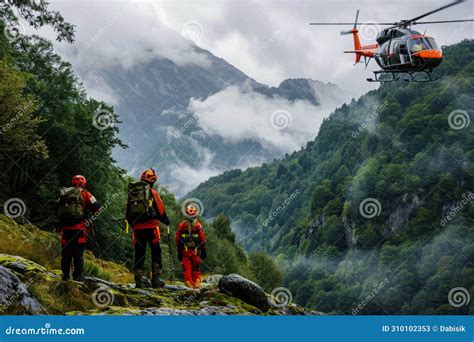
Each aircraft’s strengths lend themselves to specific applications. Helicopters are the gold standard for search and rescue (SAR), air ambulance services, and military extractions. Their ability to hover, land on rooftops, and navigate tight terrain gives them unmatched agility.
Airplanes dominate in passenger travel, cargo transport, and long-range surveillance. Their superior speed, fuel efficiency, and altitude ceiling make them ideal for crossing continents or oceans. The comfort of cabin pressurization and larger passenger capacity also factor heavily into their commercial advantage.
Safety Considerations and Risk Profiles
Safety is paramount in aviation, and statistical analysis reveals important insights. According to FAA data, helicopters have a fatal accident rate of 0.63 per 100,000 flight hours, which, although lower than the broader general aviation average, is higher than the commercial jetliner rate of one fatality per 2.7 million flights.
The reasons are multifaceted:
- Helicopters operate in challenging environments, such as mountainous terrain and urban rooftops.
- They often engage in emergency or time-critical missions.
- Their mechanics involve more moving parts, increasing points of failure.
Airplanes benefit from redundancy, regulated airspace, and rigorous commercial oversight, particularly in the case of airliners. However, in both sectors, well-maintained equipment and strict adherence to pilot training standards keep aviation remarkably safe across the board.
Passenger Comfort and Experience
For passengers, the experience varies significantly:
- Noise: Helicopters are notably louder, often requiring noise-canceling headsets.
- Smoothness: Airplanes typically offer a smoother ride, especially at cruising altitudes.
- Space: Fixed-wing aircraft, especially jets, provide more cabin room, making them preferable for business or leisure travel.
That said, the thrill of flying close to terrain, or landing atop skyscrapers or ships, gives helicopter travel an experiential edge unmatched by traditional airliners.
Cost of Training and Licensing Requirements
From a pilot’s perspective, the path to the cockpit differs greatly. Helicopter training is typically more expensive due to higher hourly operating costs and complexity of flight control. Here’s a breakdown:
- Private Pilot License (PPL) – Helicopter: $24,000–$30,000+
- PPL – Airplane: $15,000–$20,000+
- Commercial Pilot License (CPL) – Helicopter: $95,000+
- CPL – Airplane: $55,000–$100,000+
Though airplanes require more hours for advanced certifications (like an Airline Transport Pilot license), the cost-per-hour of flight time is generally lower.
Flight Instruction and Learning Techniques
The training environment for these two aircraft is equally distinct. Airplane flight schools focus on fixed-wing dynamics, including stall recovery, navigation, and crosswind landing techniques. Helicopter schools teach students rotor management, hovering precision, and autorotation—a critical skill in the event of engine failure.
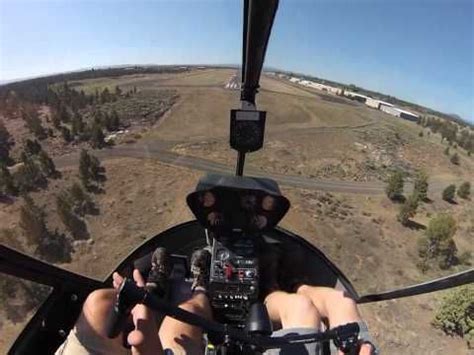
While fixed-wing learning is widespread and accessible, rotorcraft instruction is more niche, often centered in urban or mountainous regions with dedicated helicopter flight schools.
Operational Costs and Flight Duration
Helicopters use more fuel per hour than most comparable airplanes due to the constant need to generate lift via rotor movement. Additionally, helicopters carry less onboard fuel, limiting their range and duration. They are ideal for short-haul missions, whereas airplanes are optimized for long-distance travel.
This makes airplane charters more economical for journeys beyond 200 miles, while helicopters excel in point-to-point travel under 100 miles, especially where runways are unavailable.
Ease of Flight and Workload Management
For pilots, airplanes are generally easier to manage, especially in mid-flight where autopilot systems assume much of the workload. Helicopters require active pilot engagement at all times—adjusting pitch, throttle, and cyclic controls continually to maintain stable flight.
This intense focus makes helicopter flying more mentally demanding, but also rewarding for those who relish hands-on aviation.
Pilot Job Market and Career Outlook
While fixed-wing pilots enjoy greater job opportunities due to the size of the commercial airline industry, helicopter pilots remain in steady demand in niche markets such as:
- Law enforcement
- Air ambulance services
- Military operations
- Tourism
- Utility inspections
Fixed-wing pilots can explore careers in airlines, corporate charters, cargo transport, and flight instruction, offering broader international career paths.
Which is Better: Helicopter or Airplane?
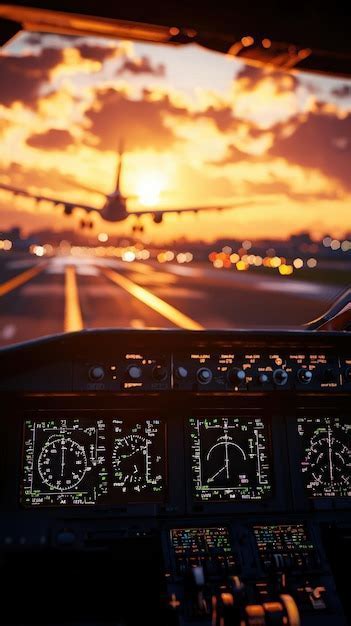
The debate between helicopter vs airplane boils down to intended use. Helicopters thrive in mission-critical, vertical-lift scenarios where agility trumps speed. Airplanes dominate in distance, speed, passenger volume, and cost-efficiency. The right choice depends entirely on the mission profile:
- Need to access remote, runway-free zones? Choose a helicopter.
- Looking to travel coast-to-coast efficiently? Opt for an airplane.
Final Thoughts: Two Aircraft, One Sky
The distinction between helicopter and airplane is more than just rotor vs wing. It’s a reflection of how form follows function in aviation. One sacrifices comfort for flexibility; the other gives up maneuverability for range. Both serve humanity’s need to conquer the skies but do so through beautifully different philosophies of flight.
Aviation professionals, hobbyists, and enthusiasts alike continue to explore both paths. In fact, many career pilots transition between the two over a lifetime. Whether soaring at 35,000 feet or hovering above a rescue scene, both helicopters and airplanes exemplify the triumph of human engineering.
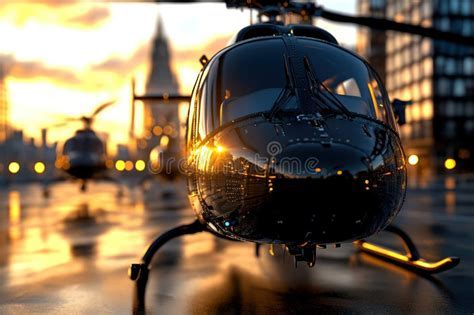
The next time you look up, consider not just how these machines fly—but why they fly the way they do.